
Wedding story · Colegio de las Vizcaínas, Mexico City
A Wedding at Colegio de las Vizcaínas, Mexico City, and a Guide to Planning Yours
Alexandra and Jose: a rehearsal dinner in a rooftop vineyard, a ceremony in a baroque chapel, and 950 guests in the heart of Mexico City.
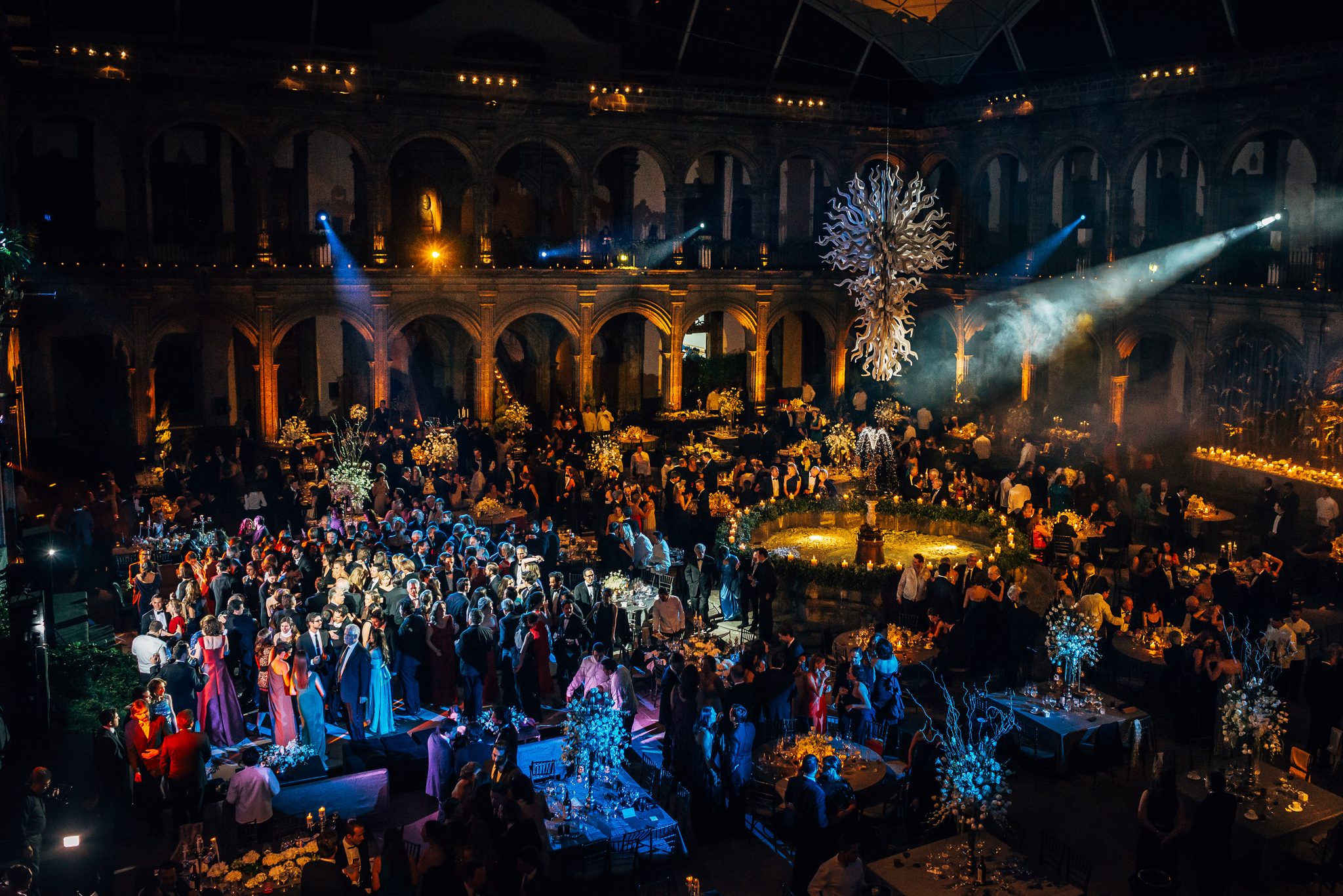
Colegio de las Vizcaínas is not a wedding venue that happens to be beautiful. It is a working school, a museum, and one of the great baroque buildings of the Americas, and on certain nights it opens its courtyards to a wedding.
I’m a documentary wedding photographer based in Querétaro, two hours from Mexico City. I photographed Alexandra and Jose’s wedding here, and this post is two things. First, their story, the way I lived it. Then, a practical guide for couples considering Vizcaínas: the history, the spaces, the cost, the season, and how to plan a day here that photographs itself.
Alexandra and Jose: a wedding at Vizcaínas
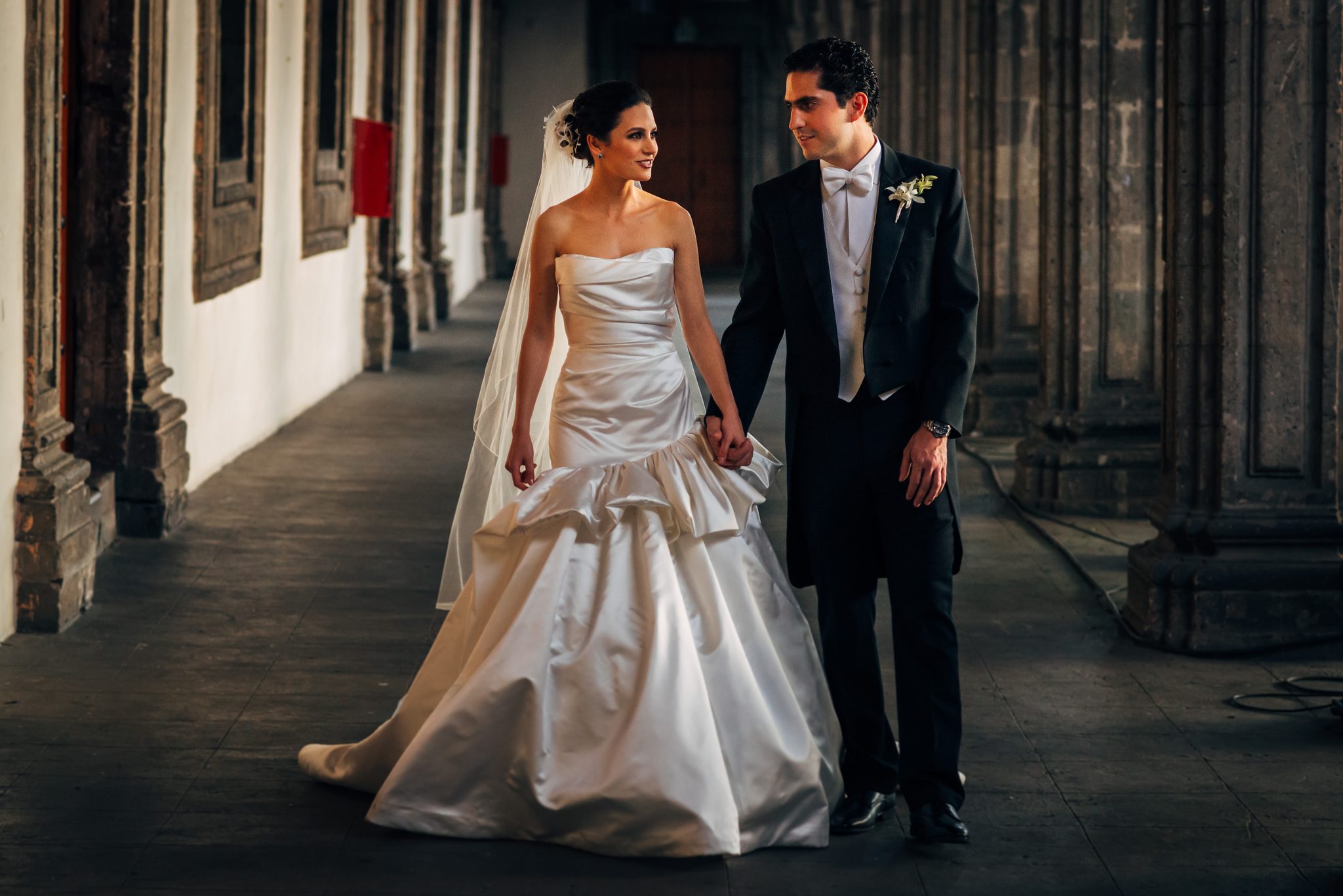
Alexandra and Jose got married in March, in the heart of Mexico City’s dry season, with 950 guests. It was a wedding in three places: a vineyard on a rooftop, a hotel on Paseo de la Reforma, and a baroque palace in the Centro Histórico.
Alexandra and Jose are Mexican, and so was most of the room: about one guest in ten came from the US or from abroad, and everyone else came from Mexico City and the rest of the country.
The night before: a vineyard on a rooftop
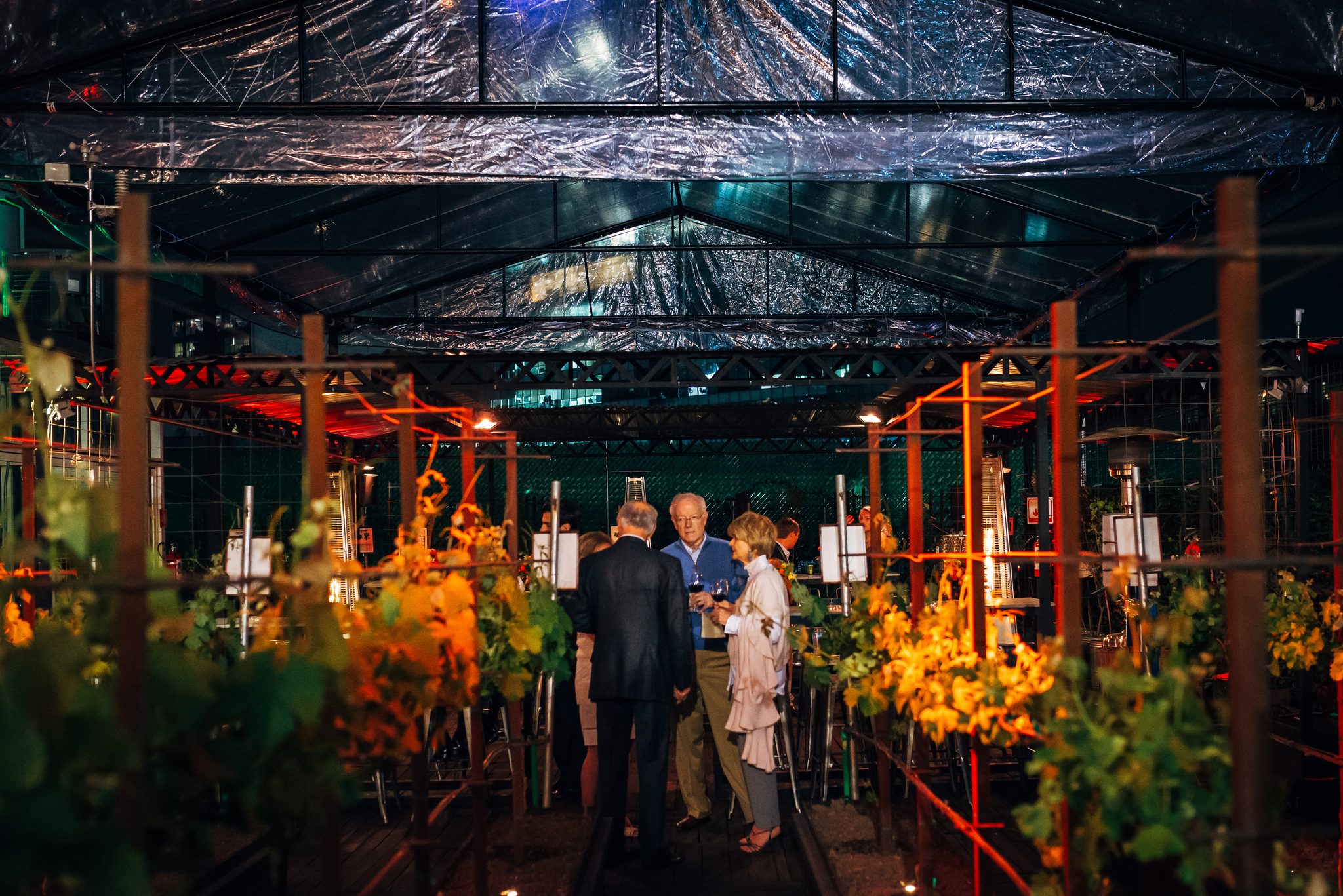
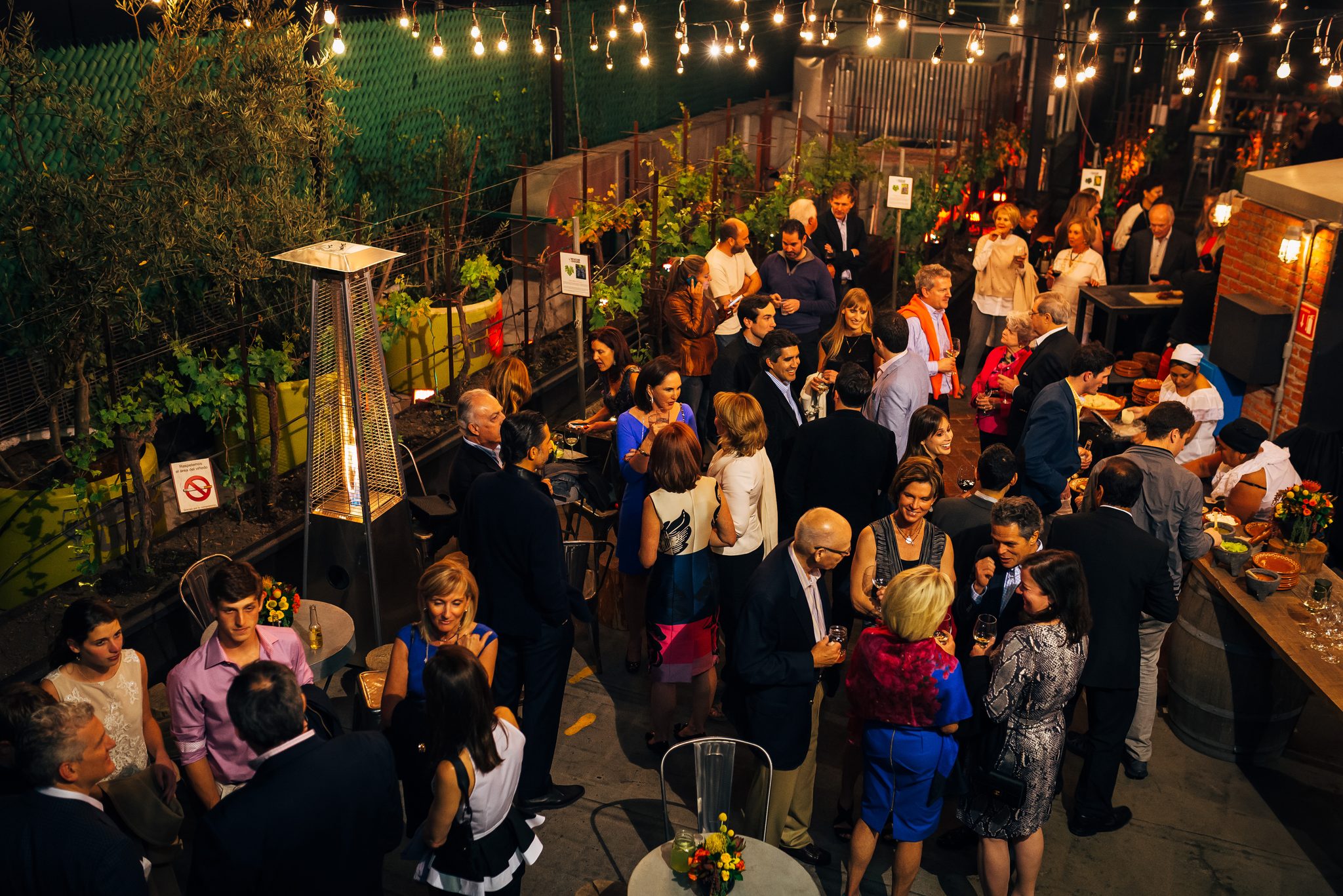
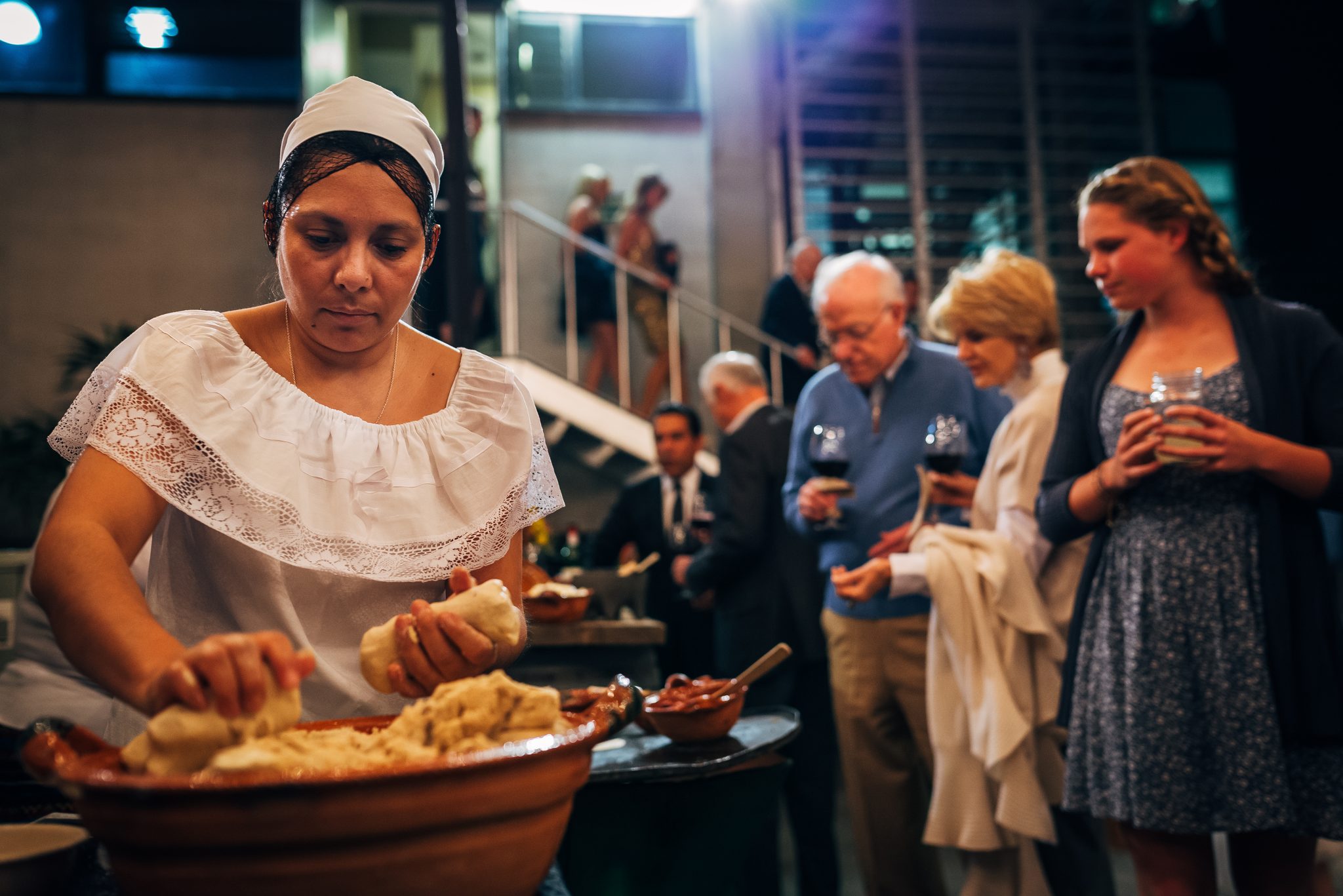
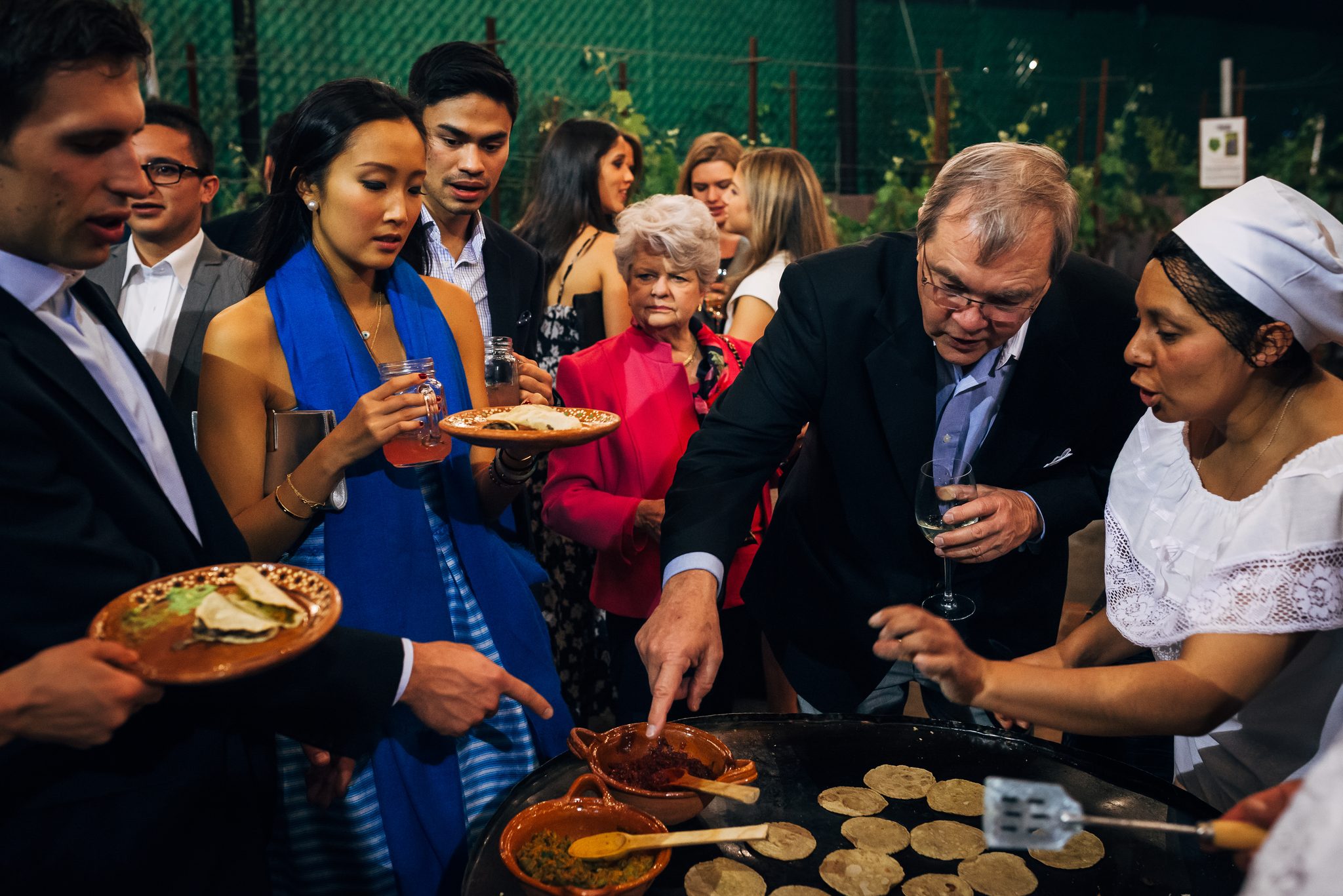
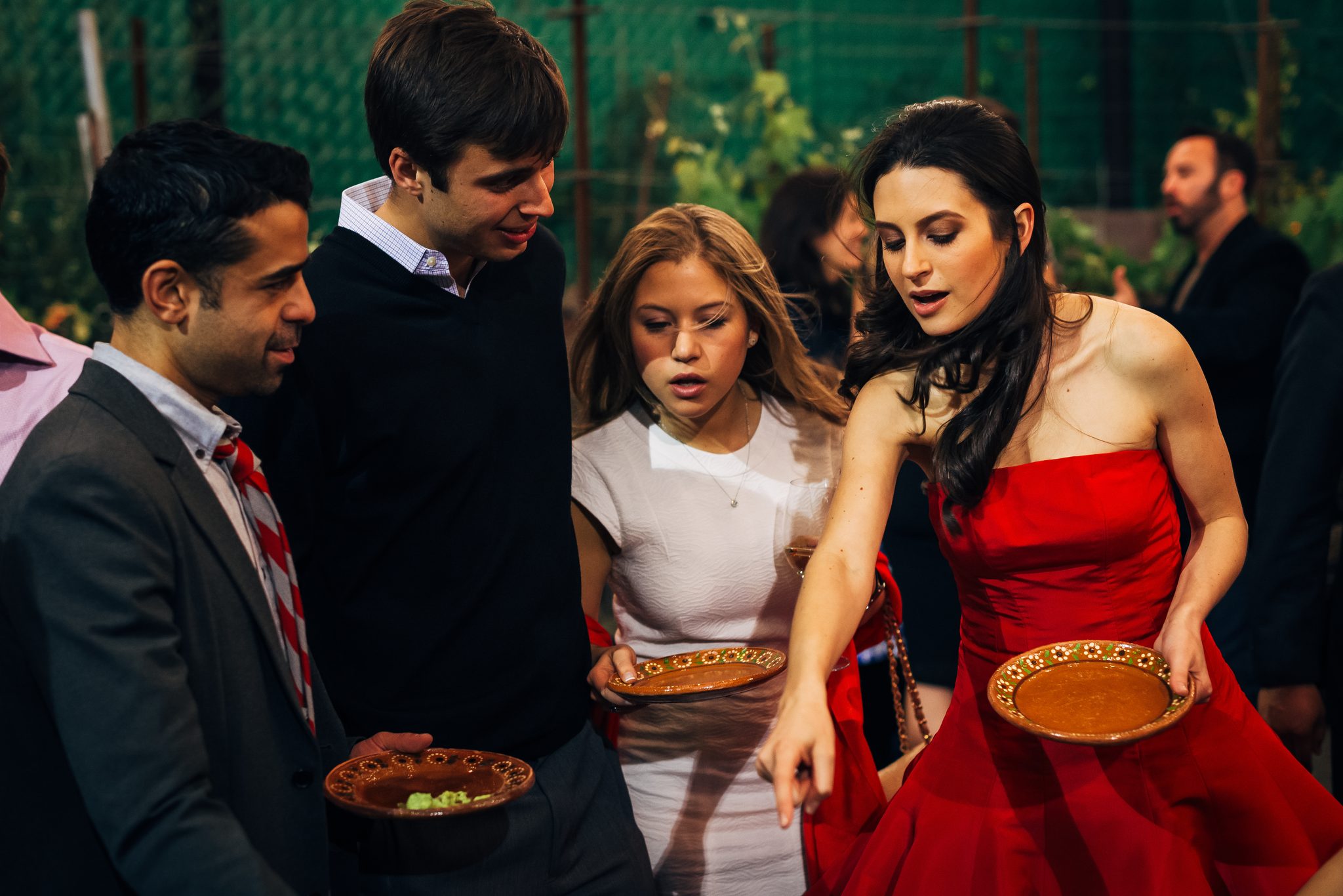
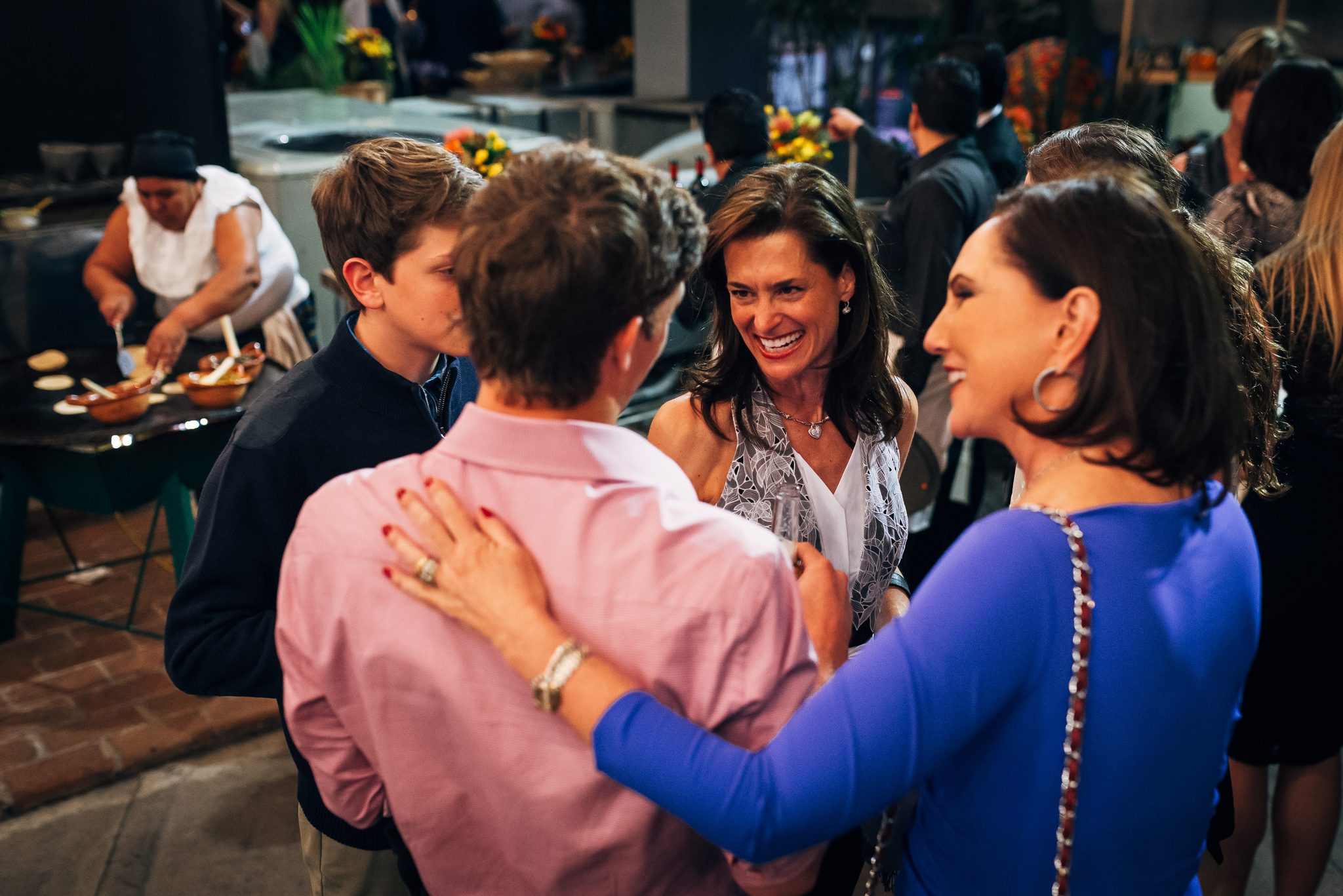
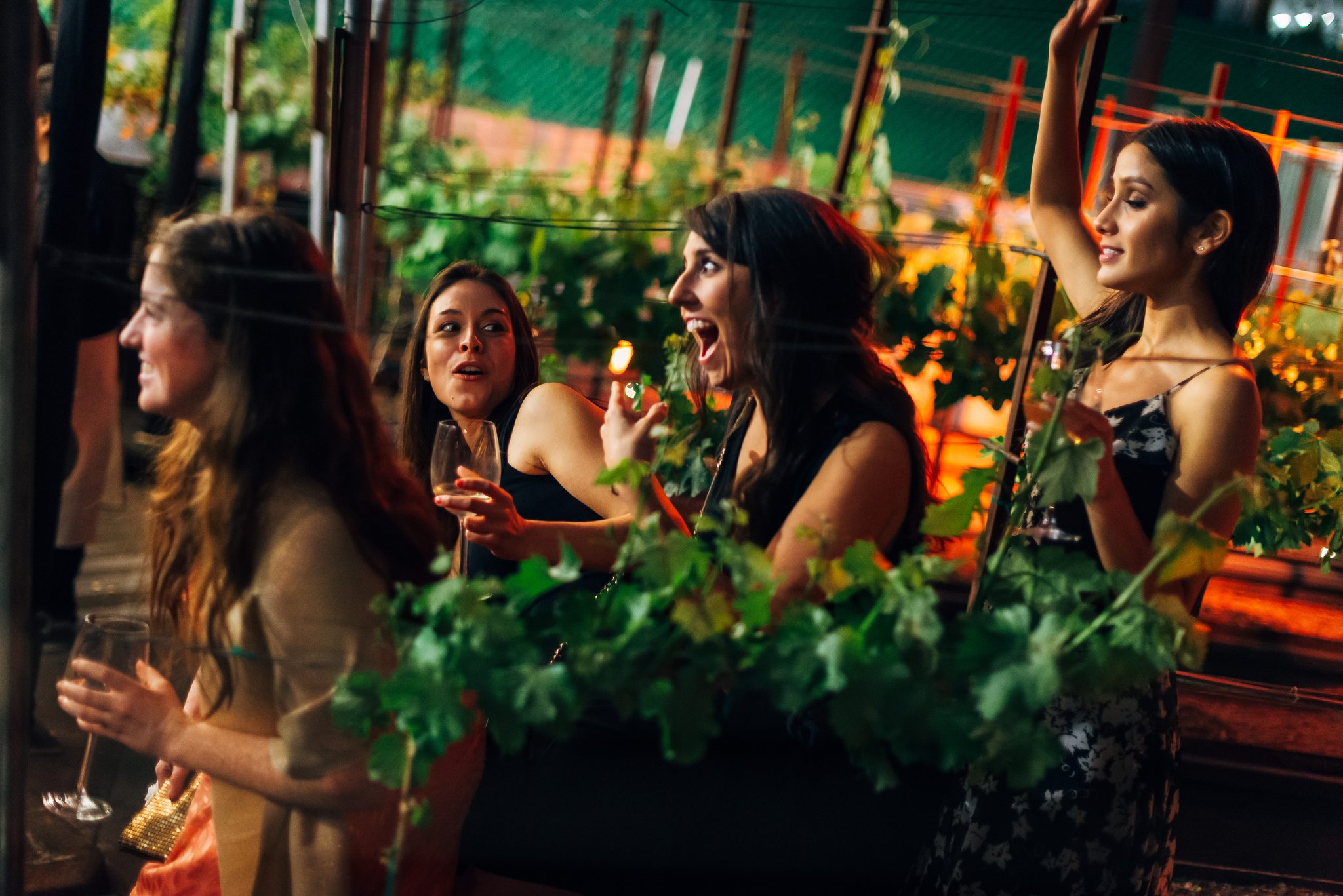
The rehearsal dinner was the night before, at Vinícola Urbana, a vineyard planted on a fifth-floor terrace on Avenida Masaryk, in Polanco. A group of wine lovers created it with the enologist Hugo D’Acosta: about 300 vines of Sauvignon Blanc, Merlot, Cabernet Franc, Tempranillo and Malbec, growing in the middle of one of the largest cities in the world. At the time, it was the only vineyard in Mexico City, and the grapes for its wines came from the Valle de Guadalupe.
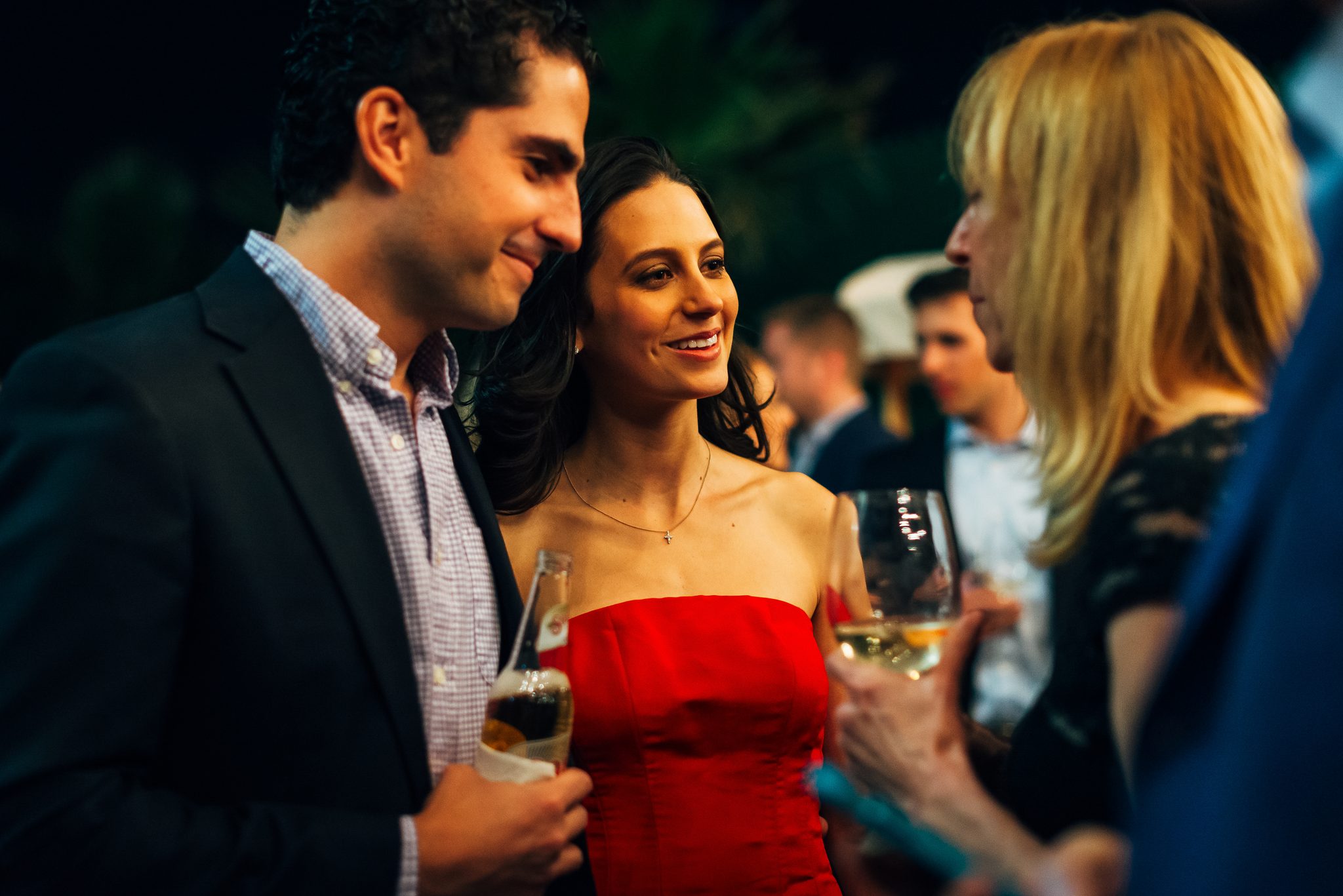
Vines, a city skyline at dusk, and two families meeting the people they are about to become family with. It’s a good place to start a wedding story.




Getting ready at the St. Regis
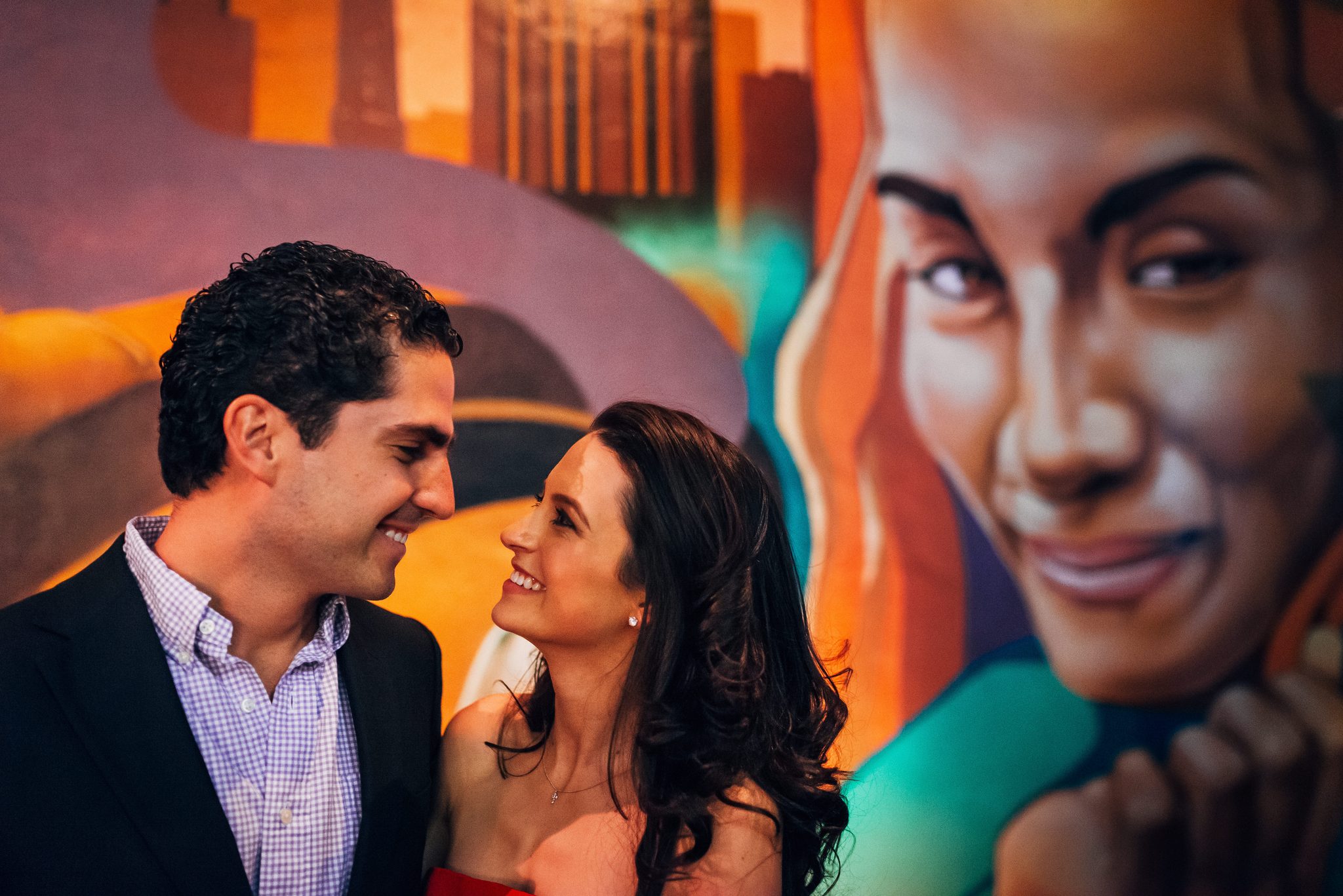
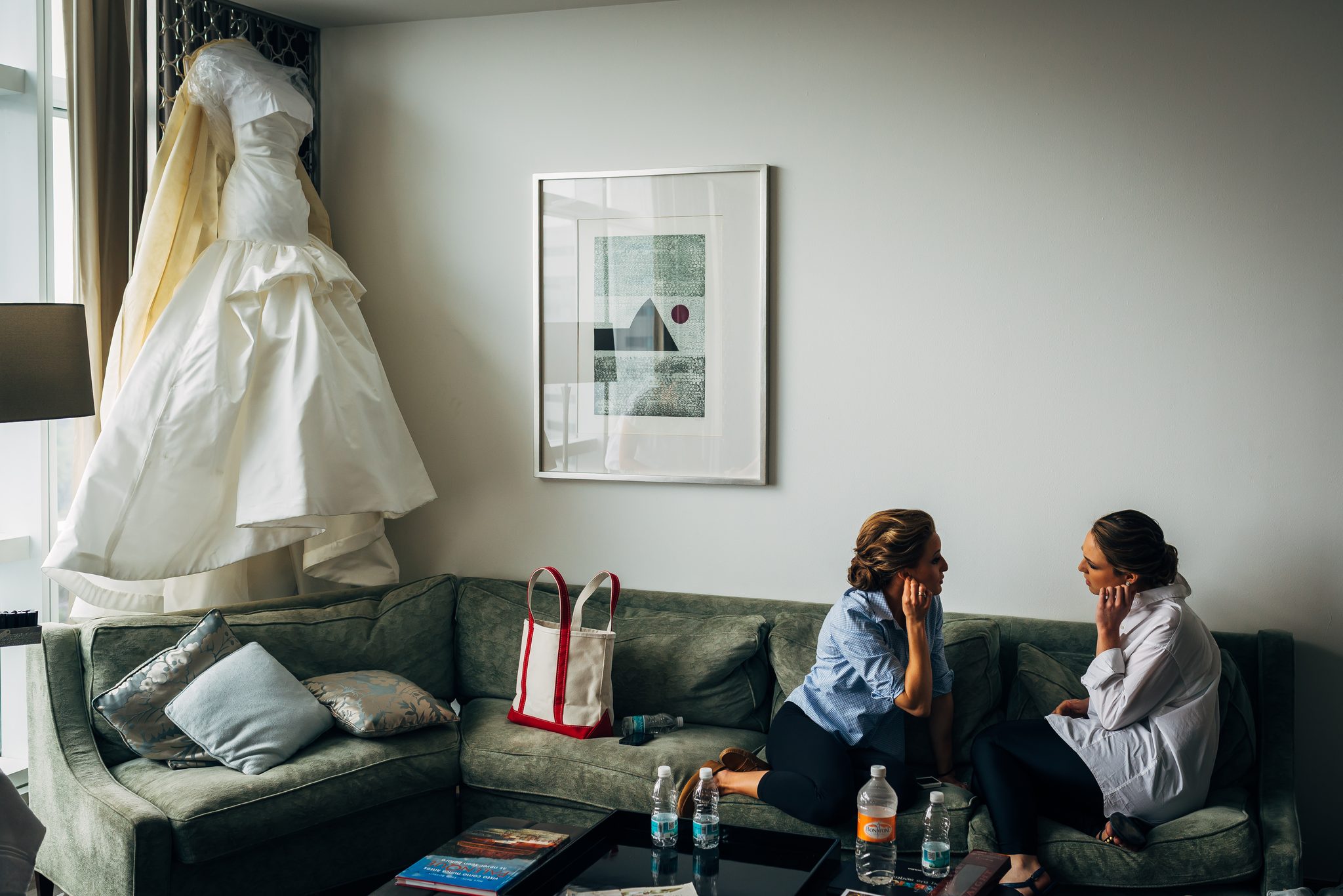
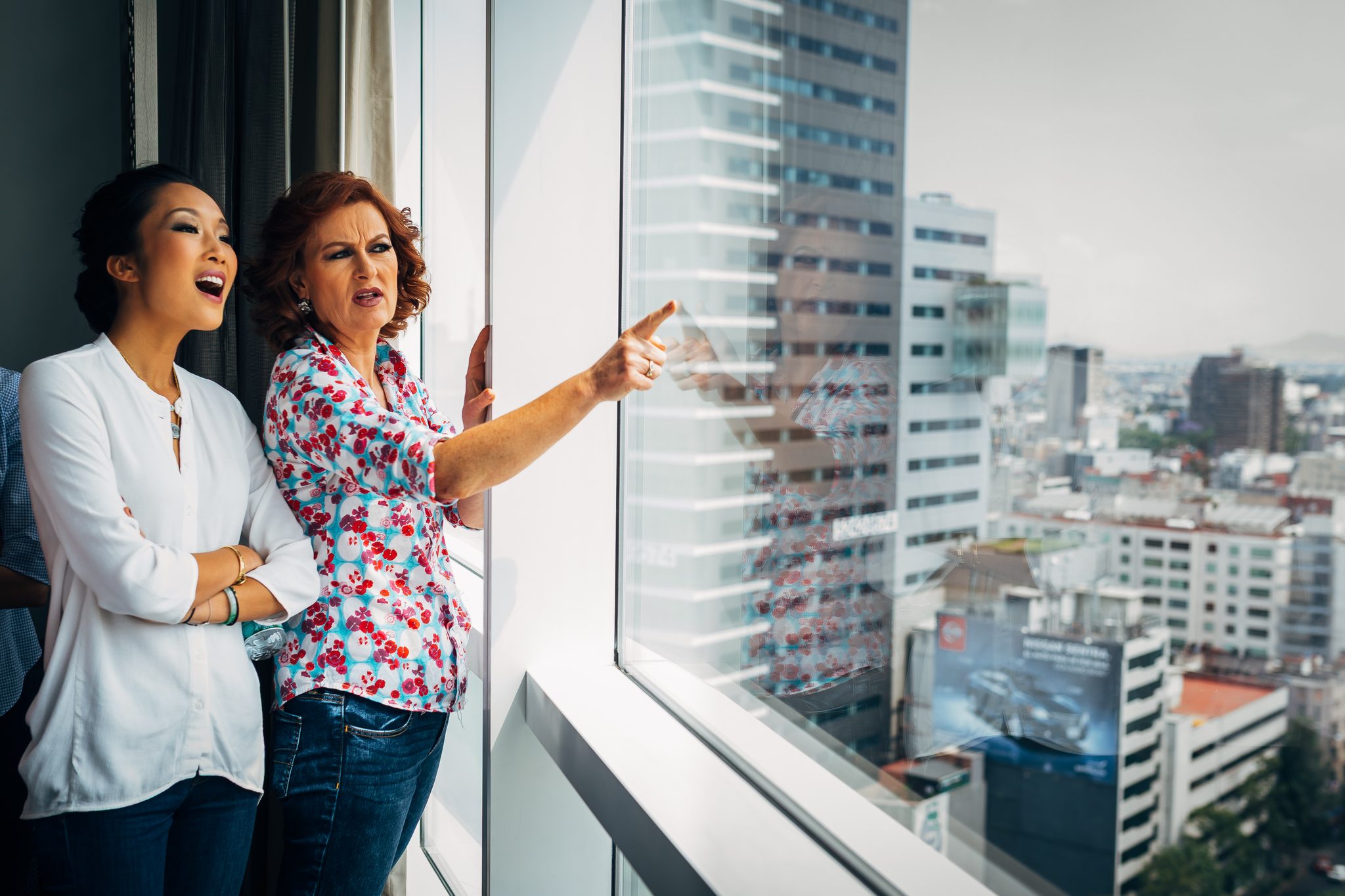
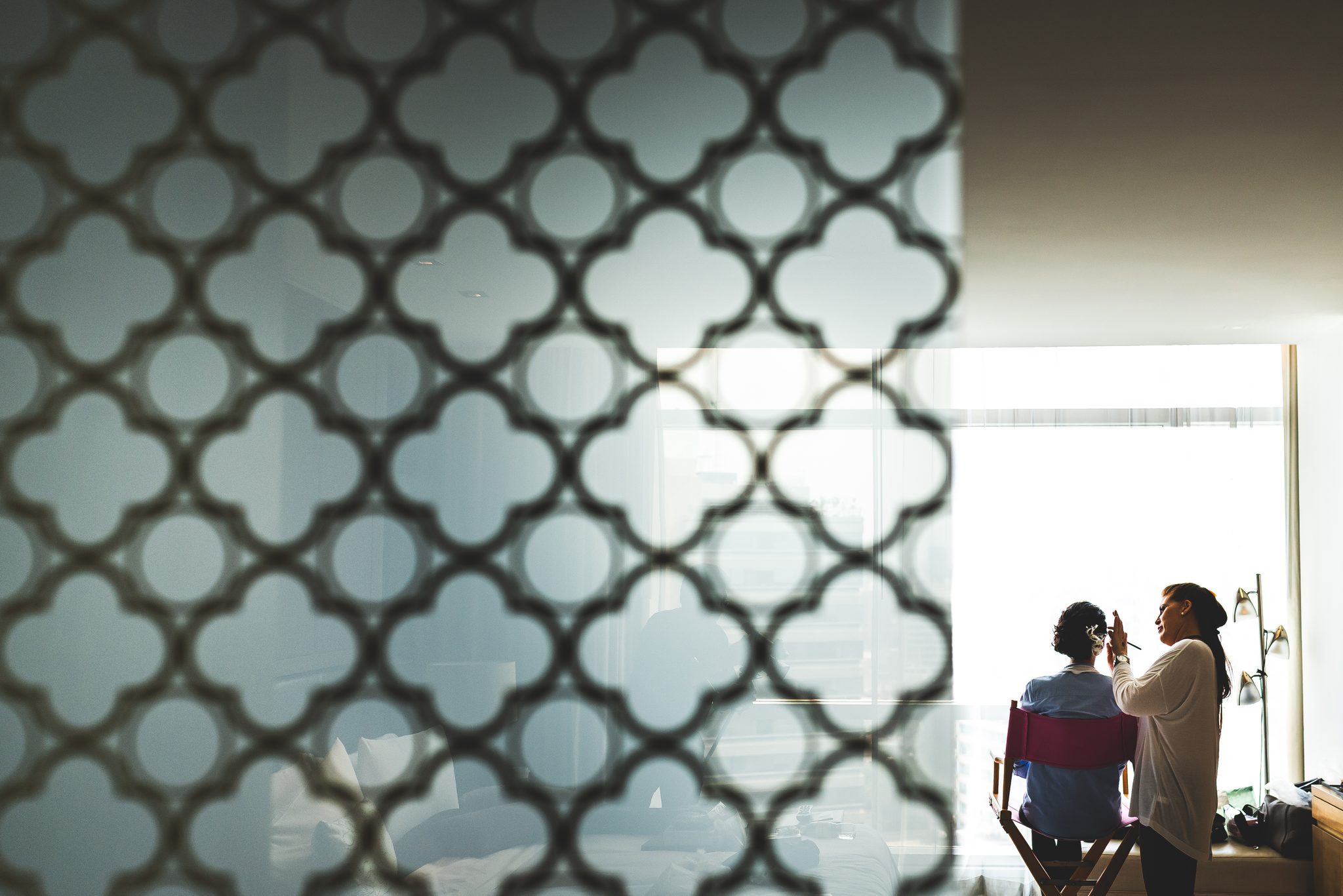
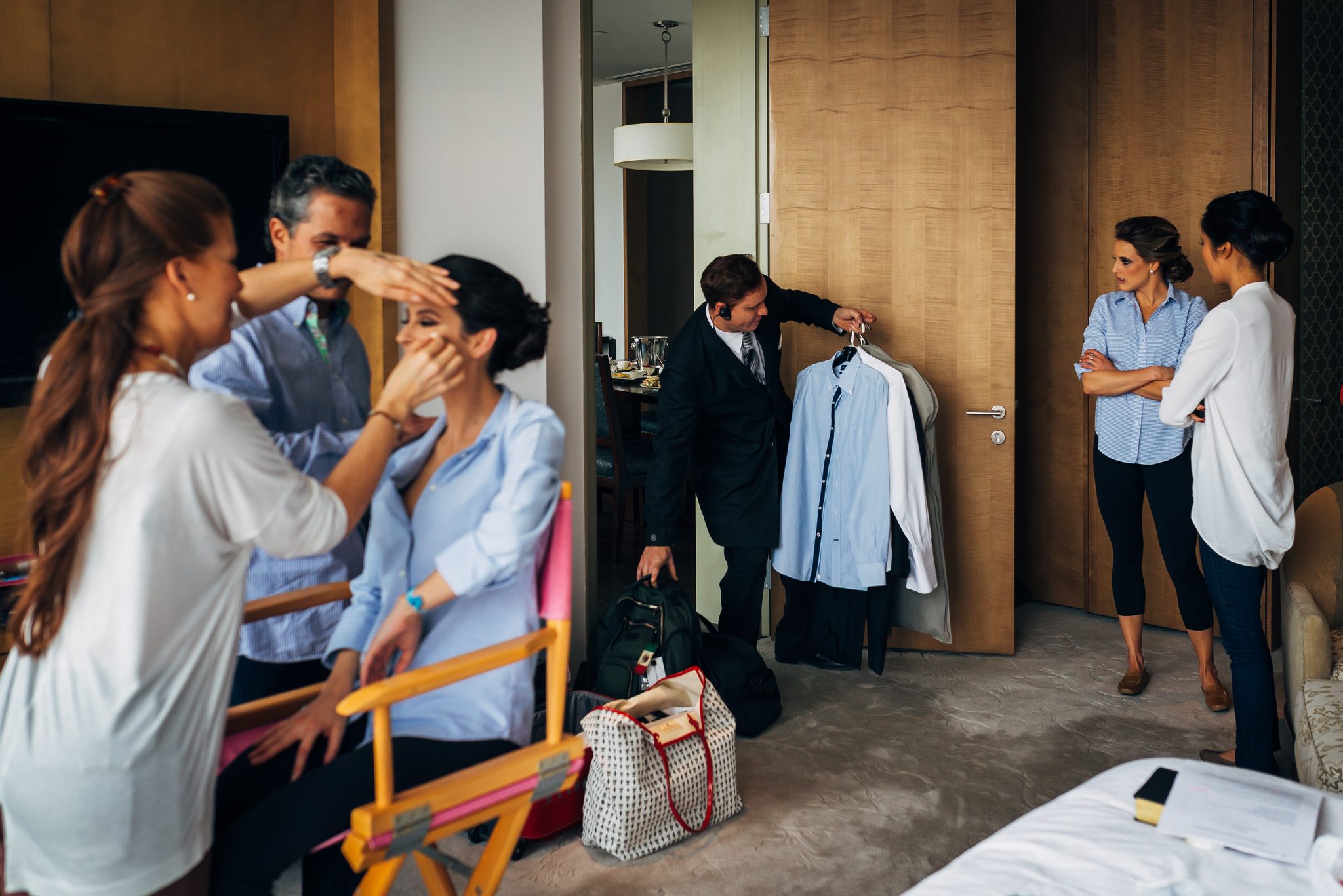
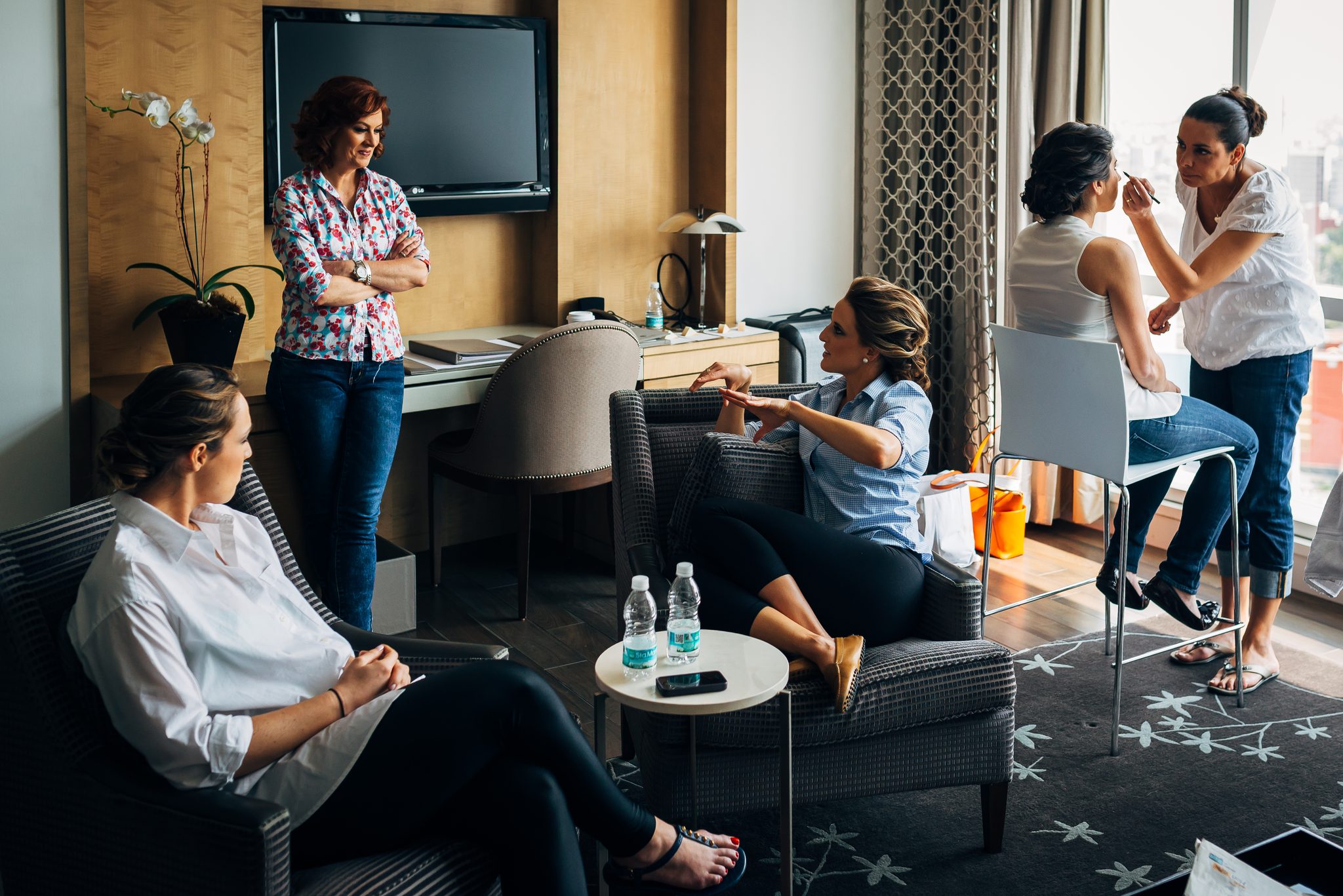
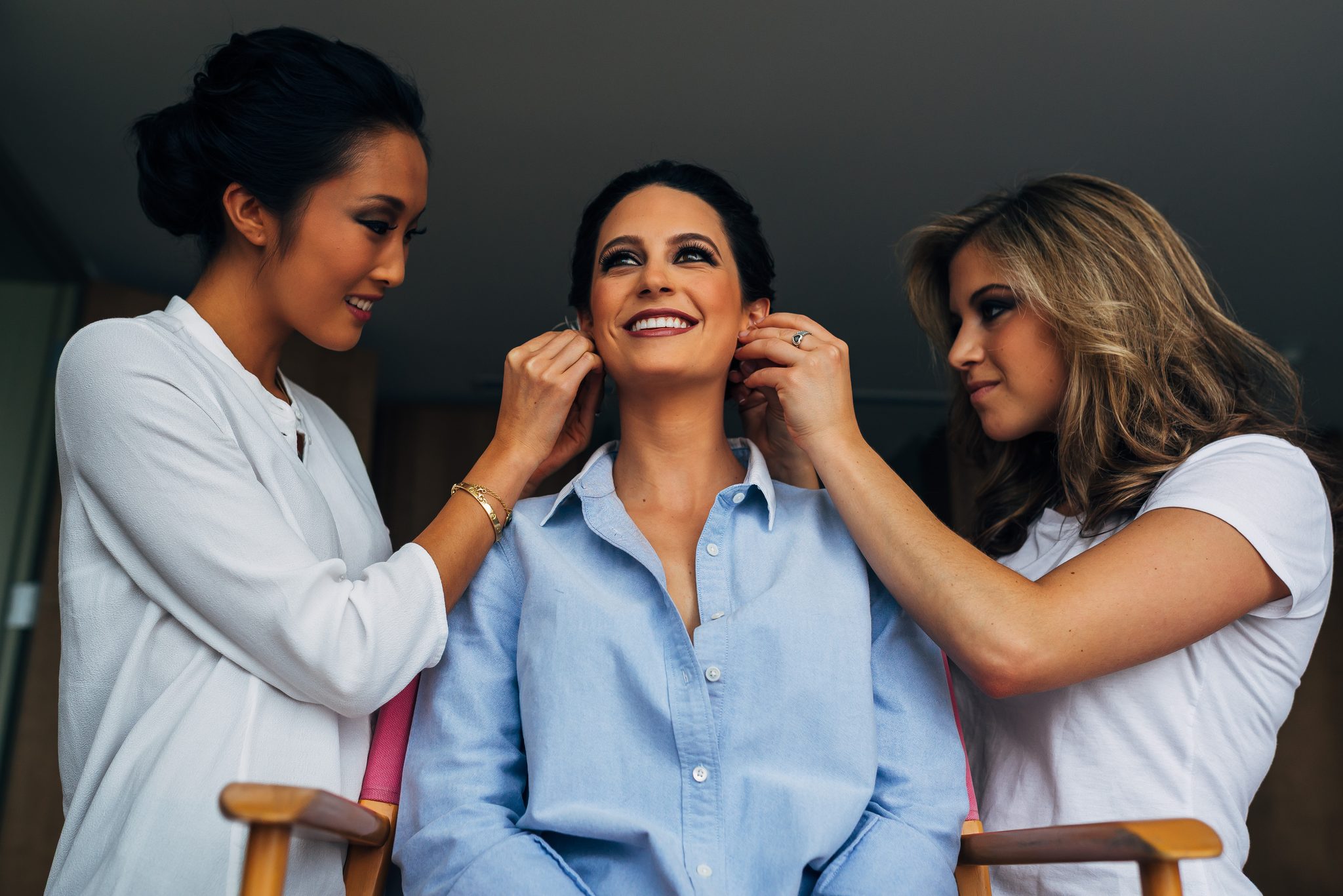
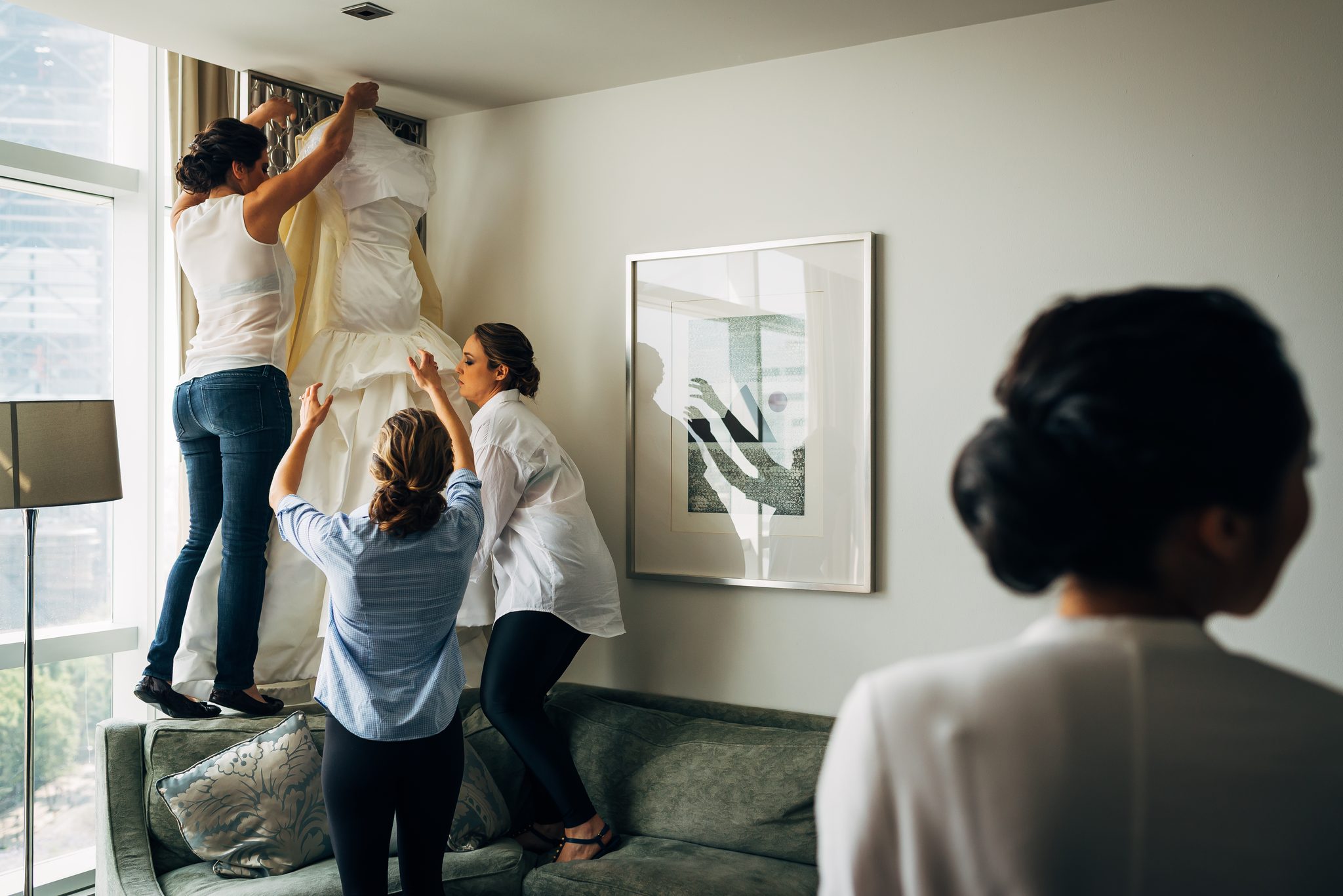
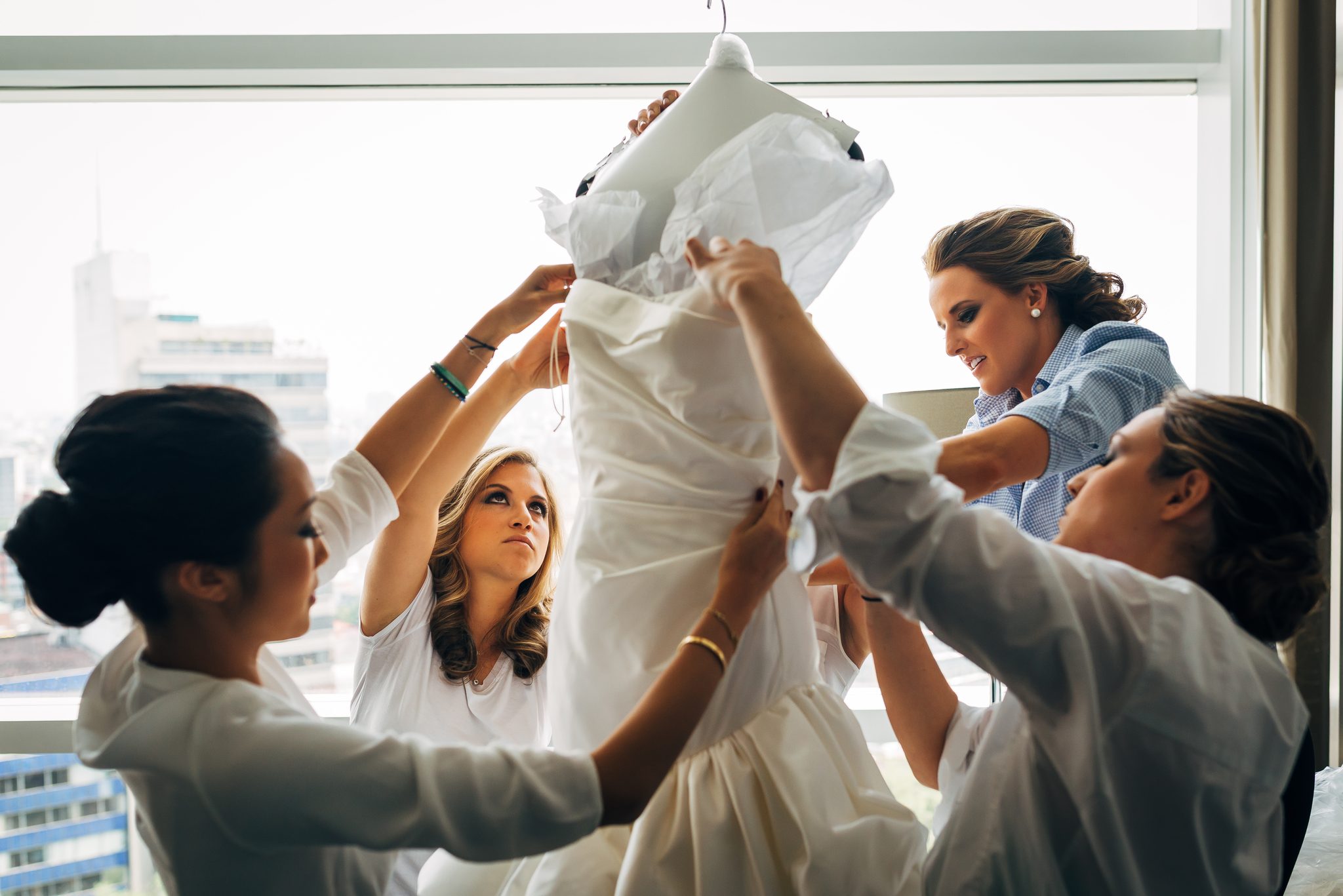
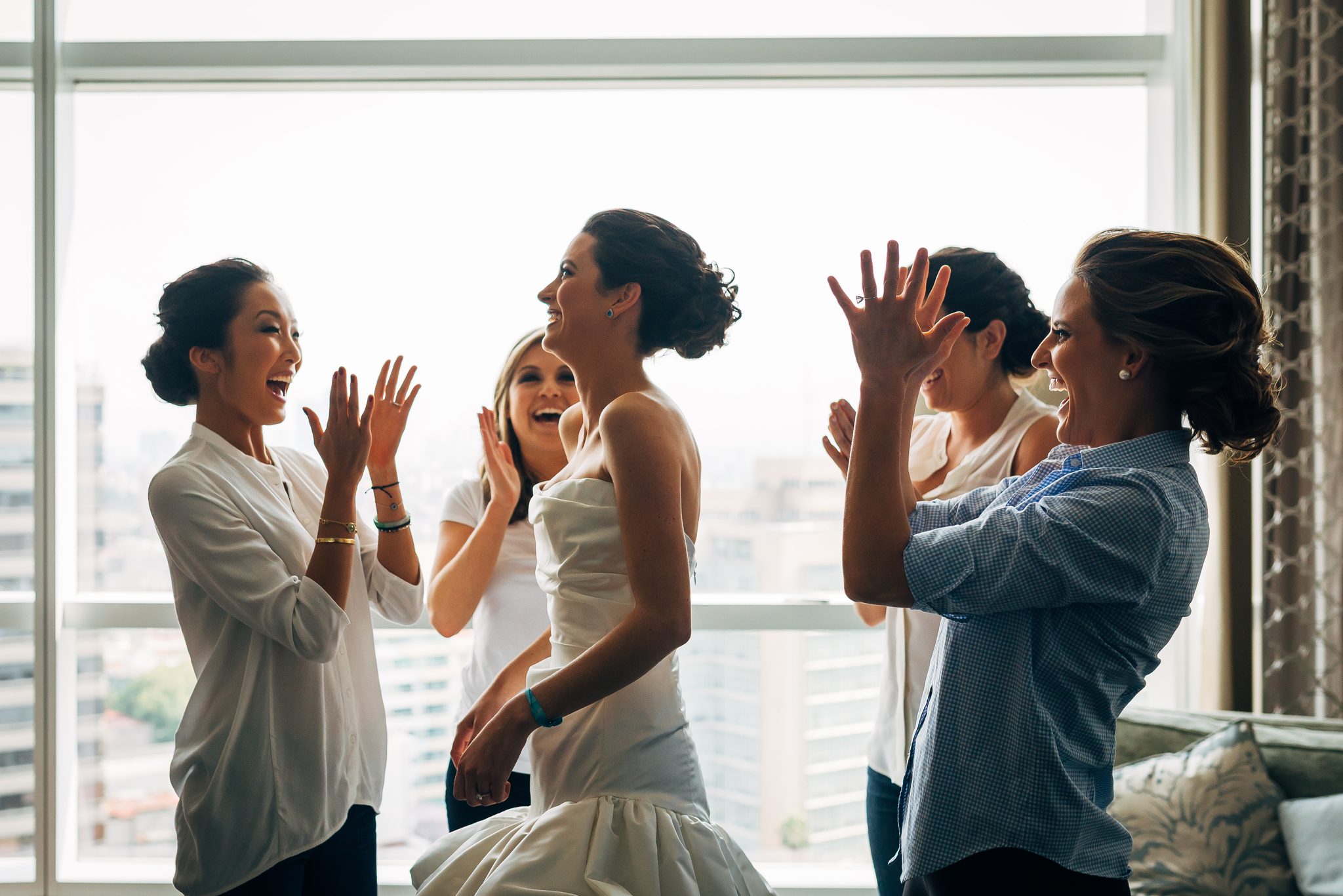
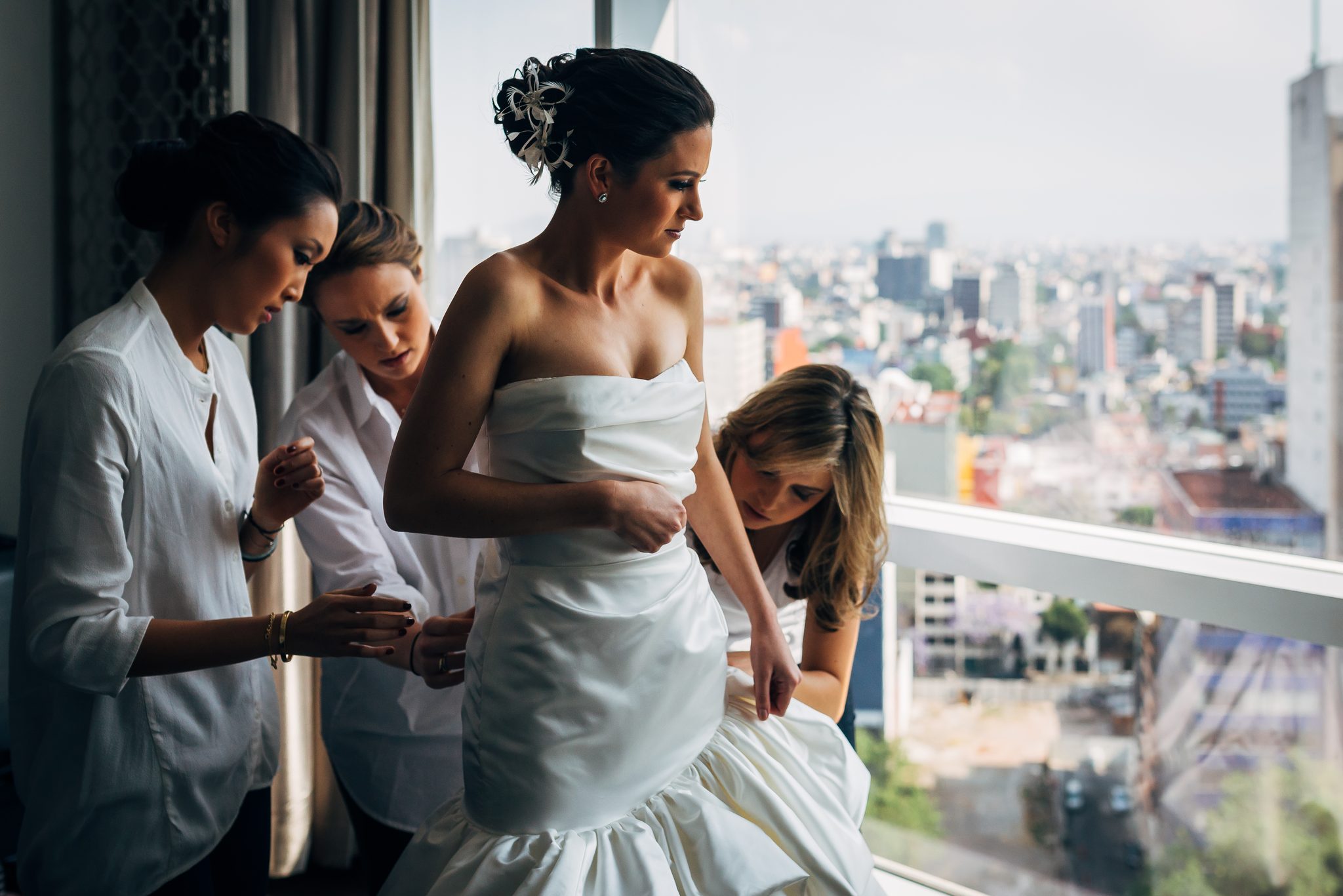
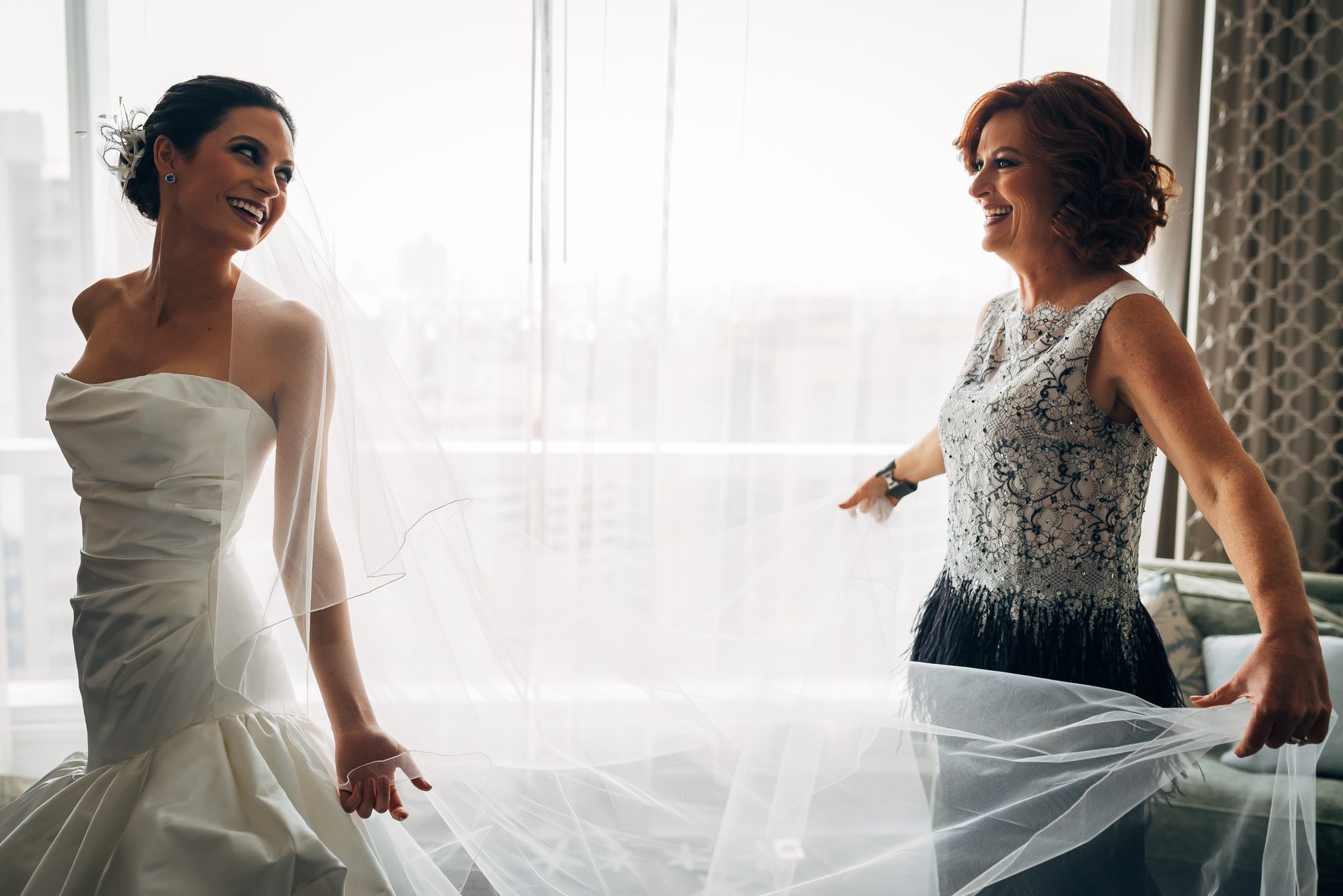
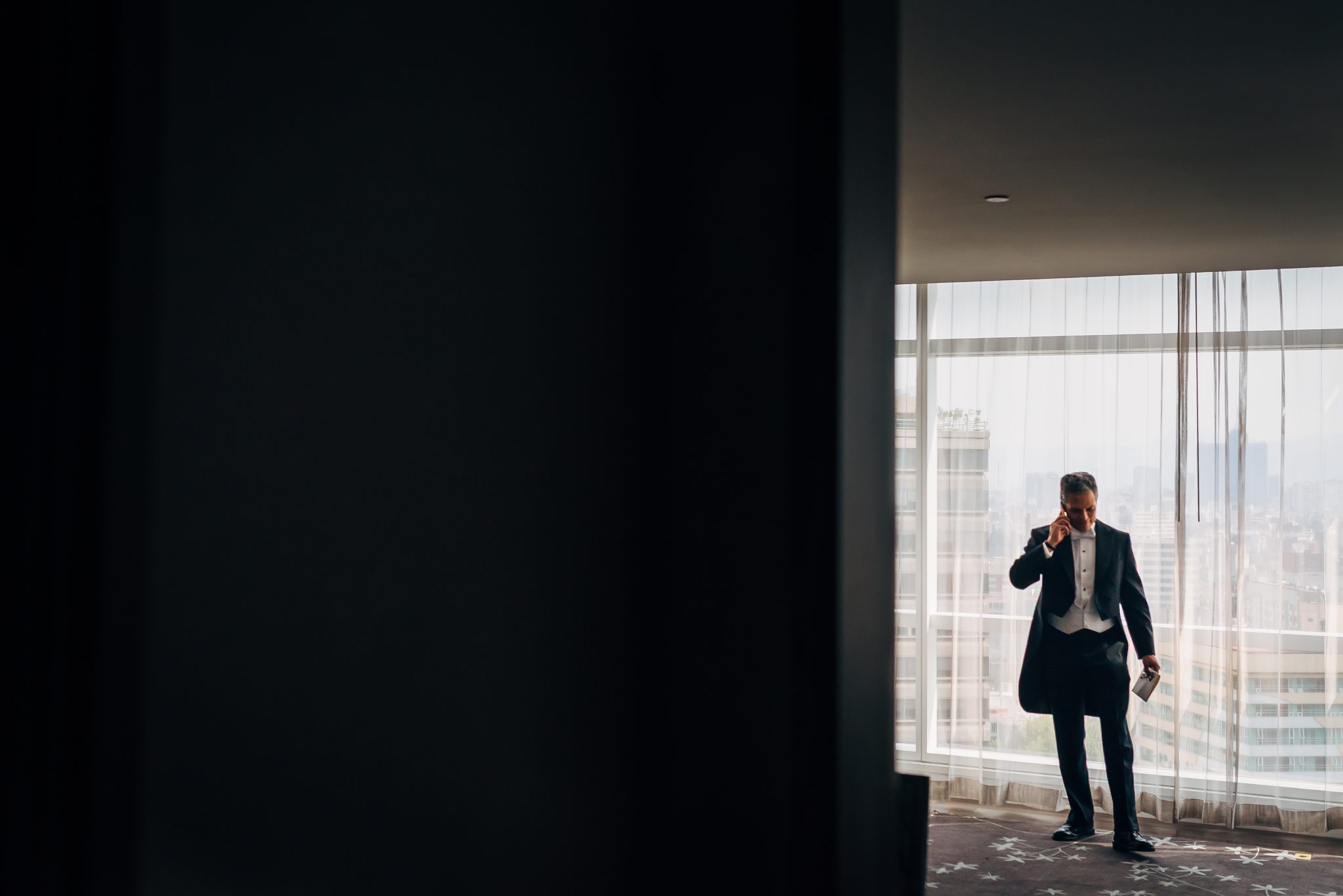
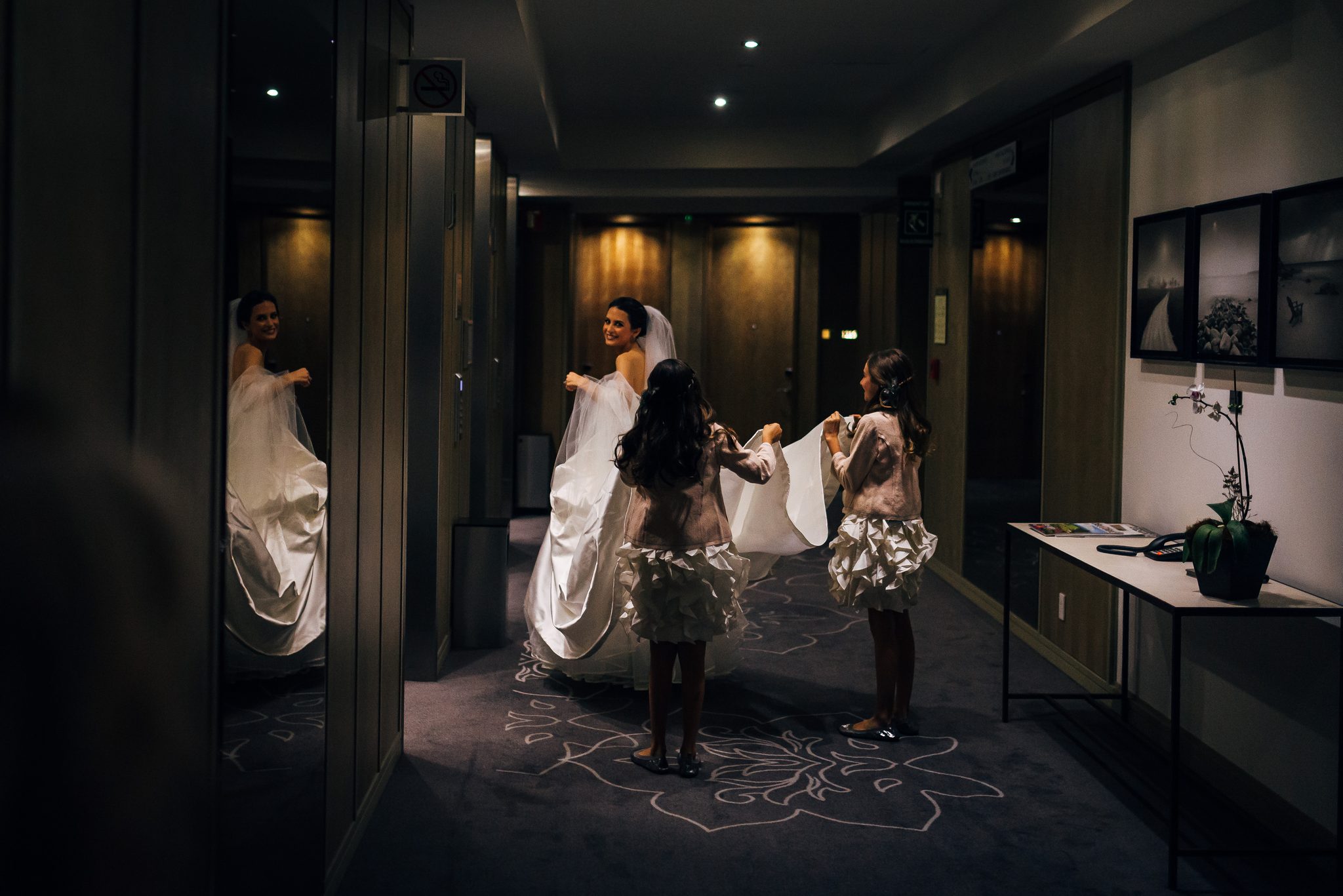
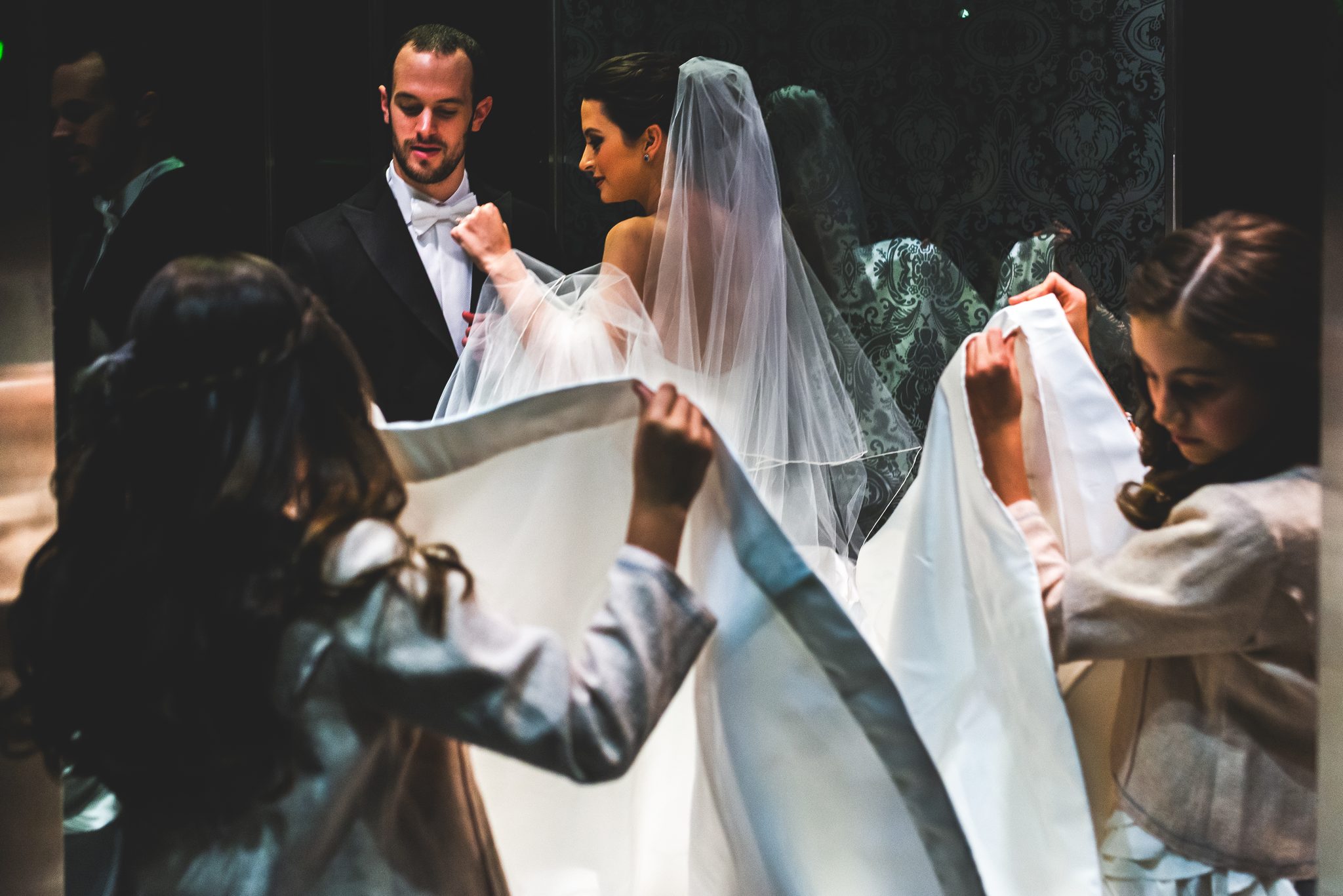
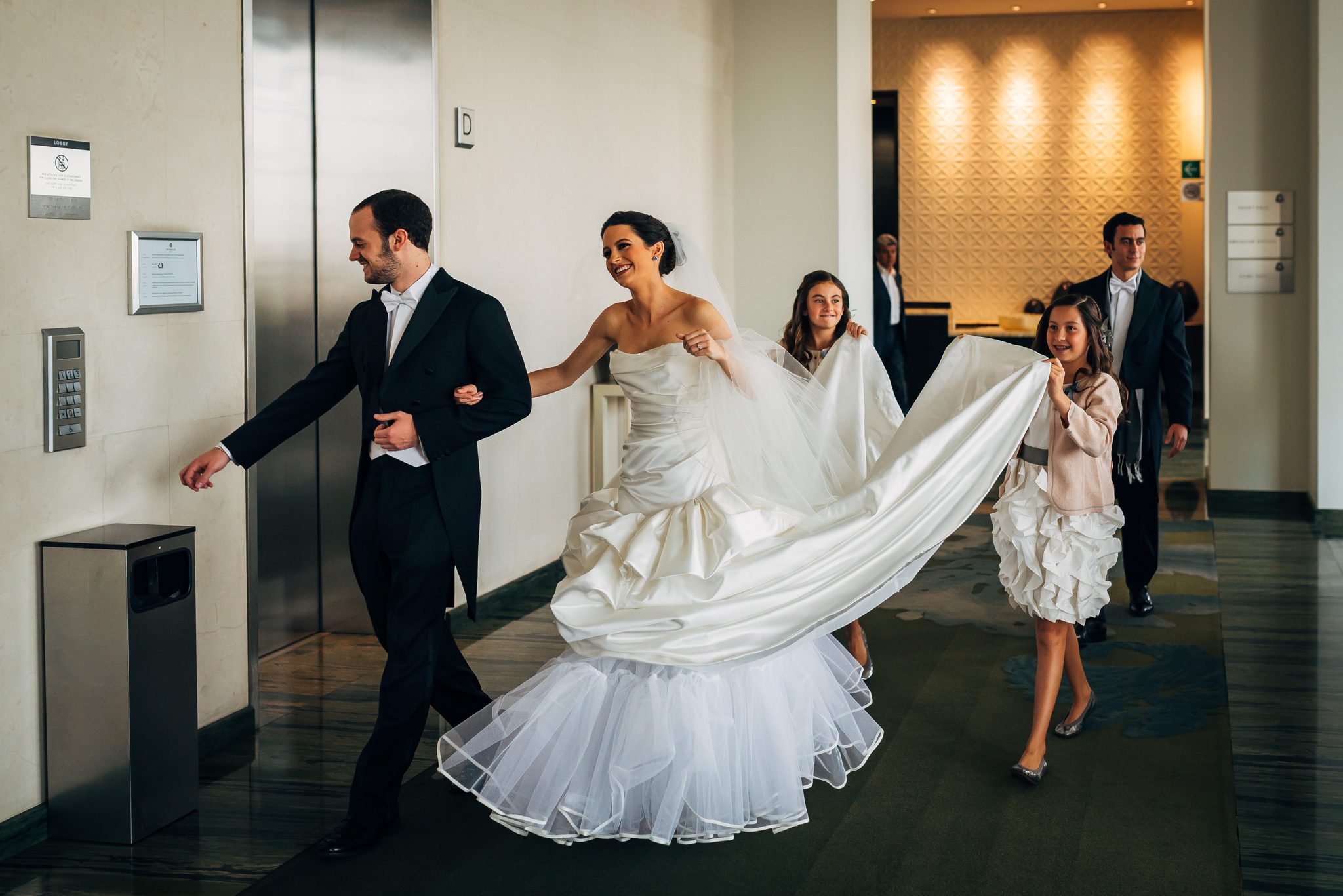
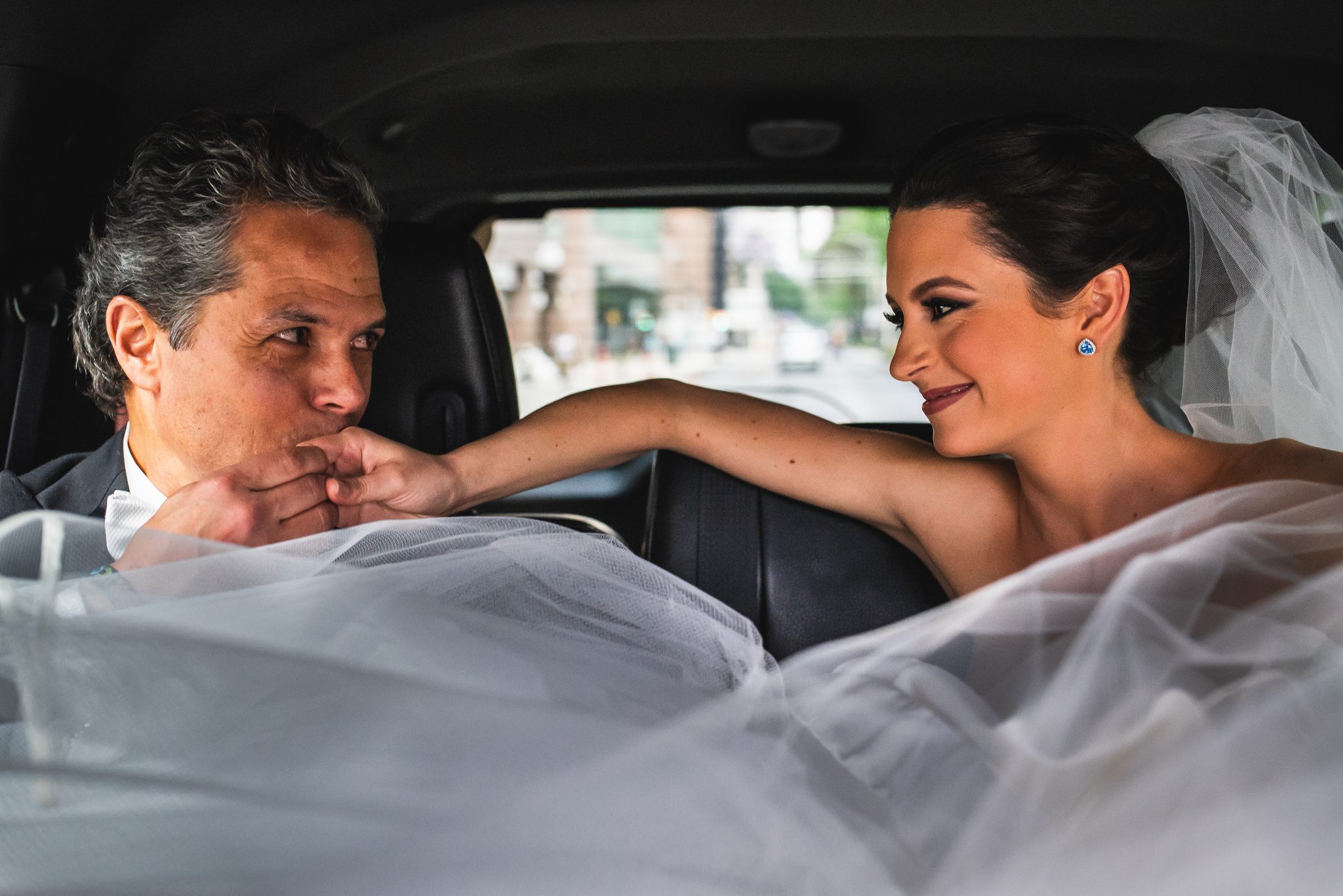
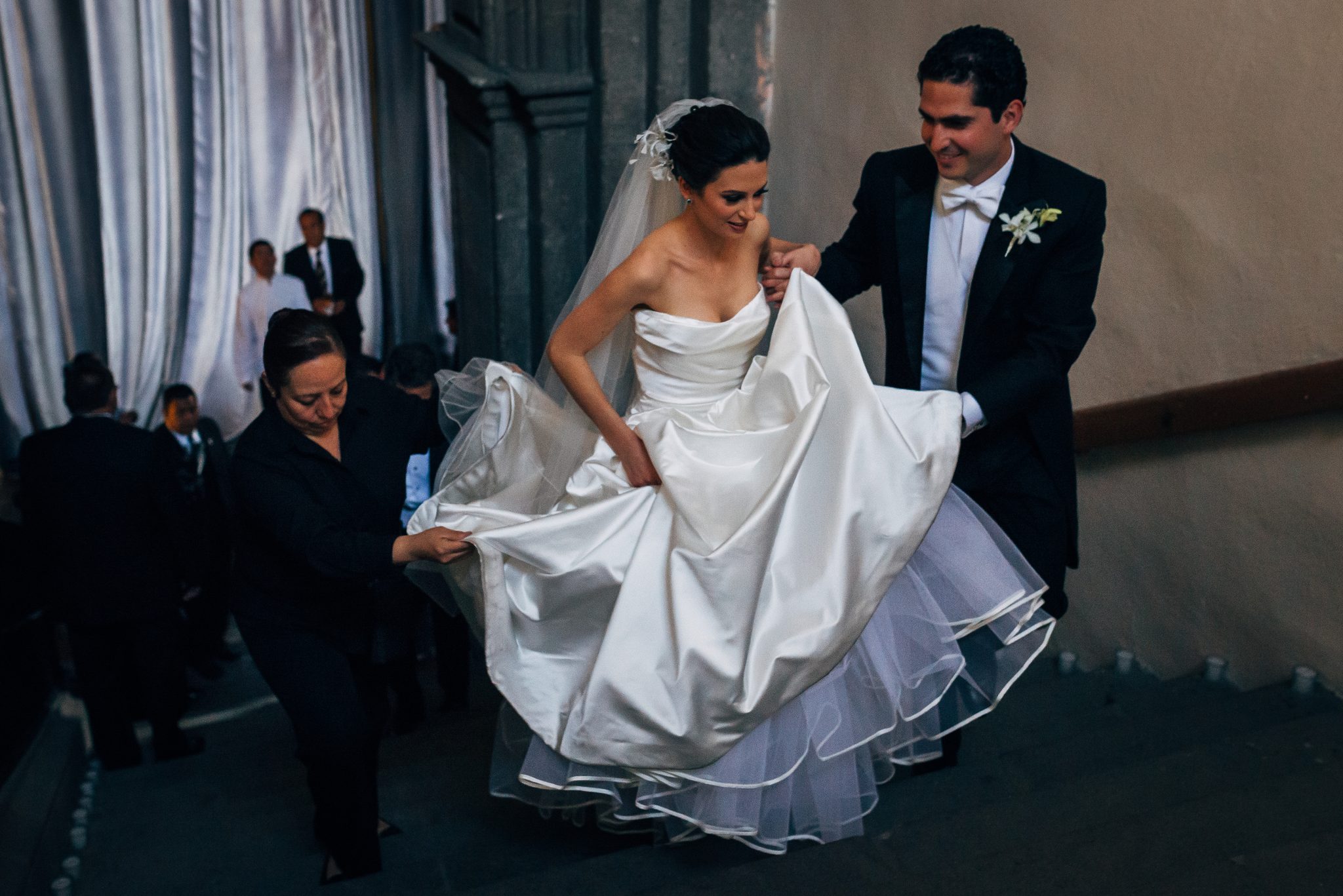
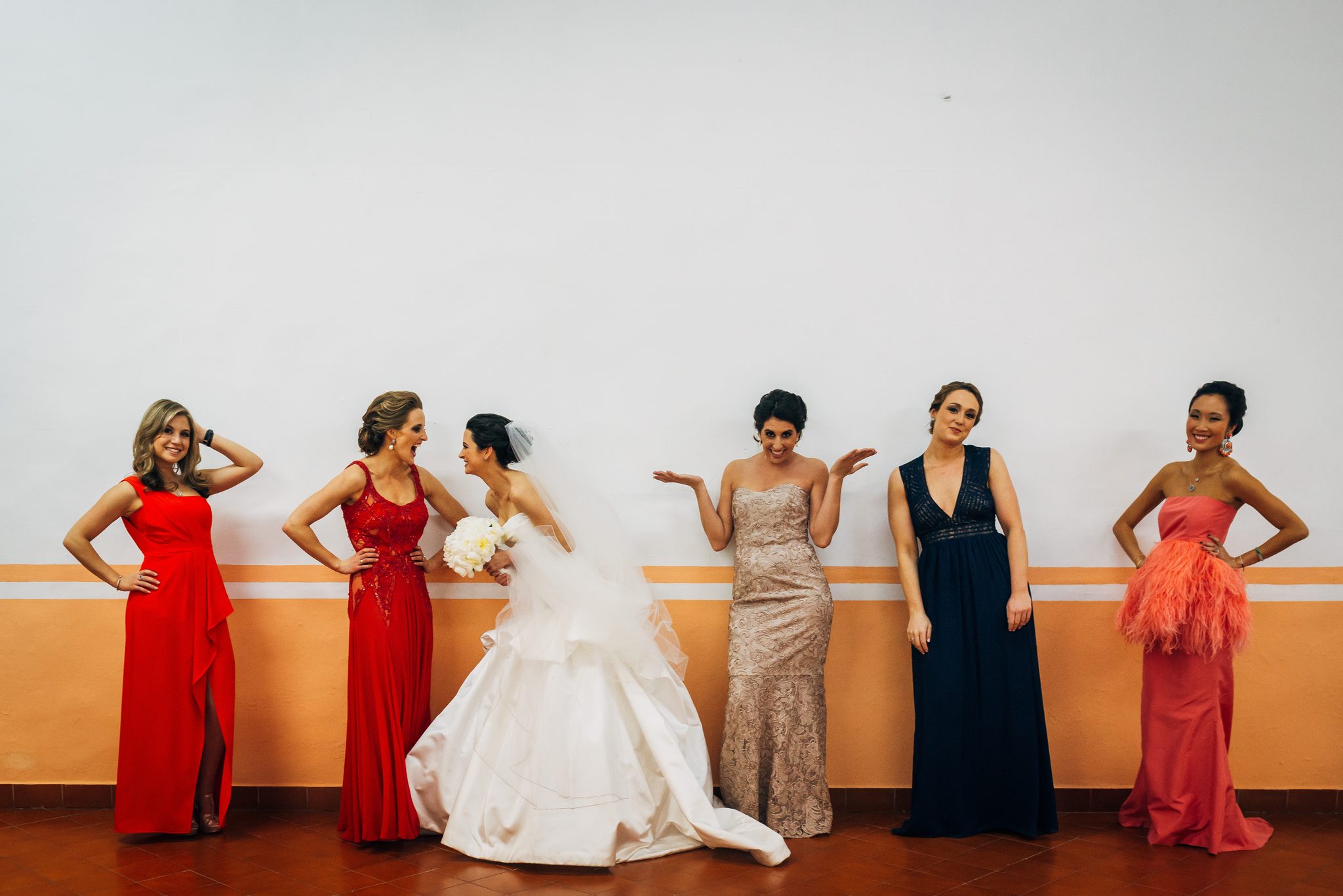
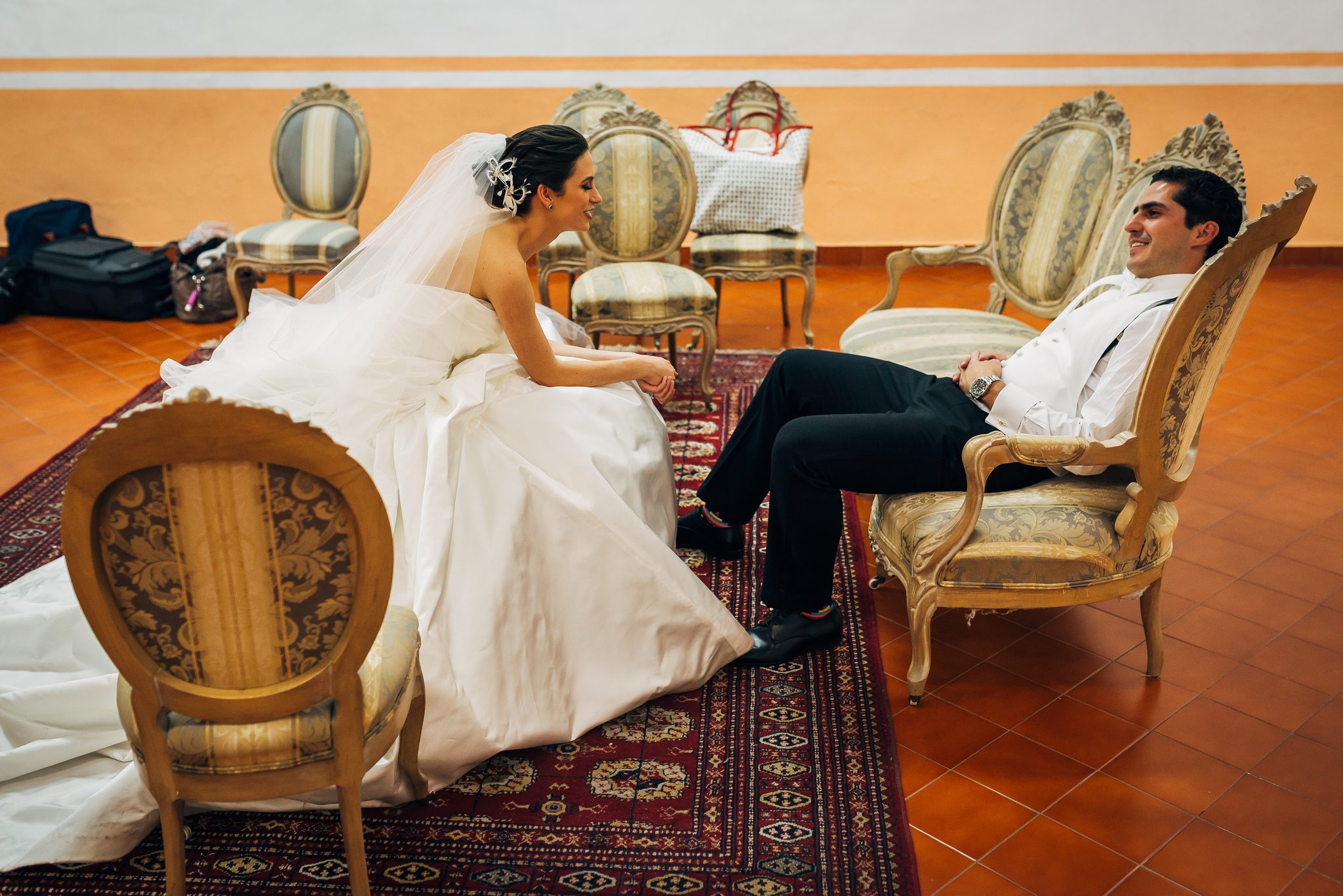
On the wedding day, Alexandra and Jose got ready at the St. Regis Mexico City, on Paseo de la Reforma, before crossing the city to the Centro Histórico.

The ceremony in the chapel
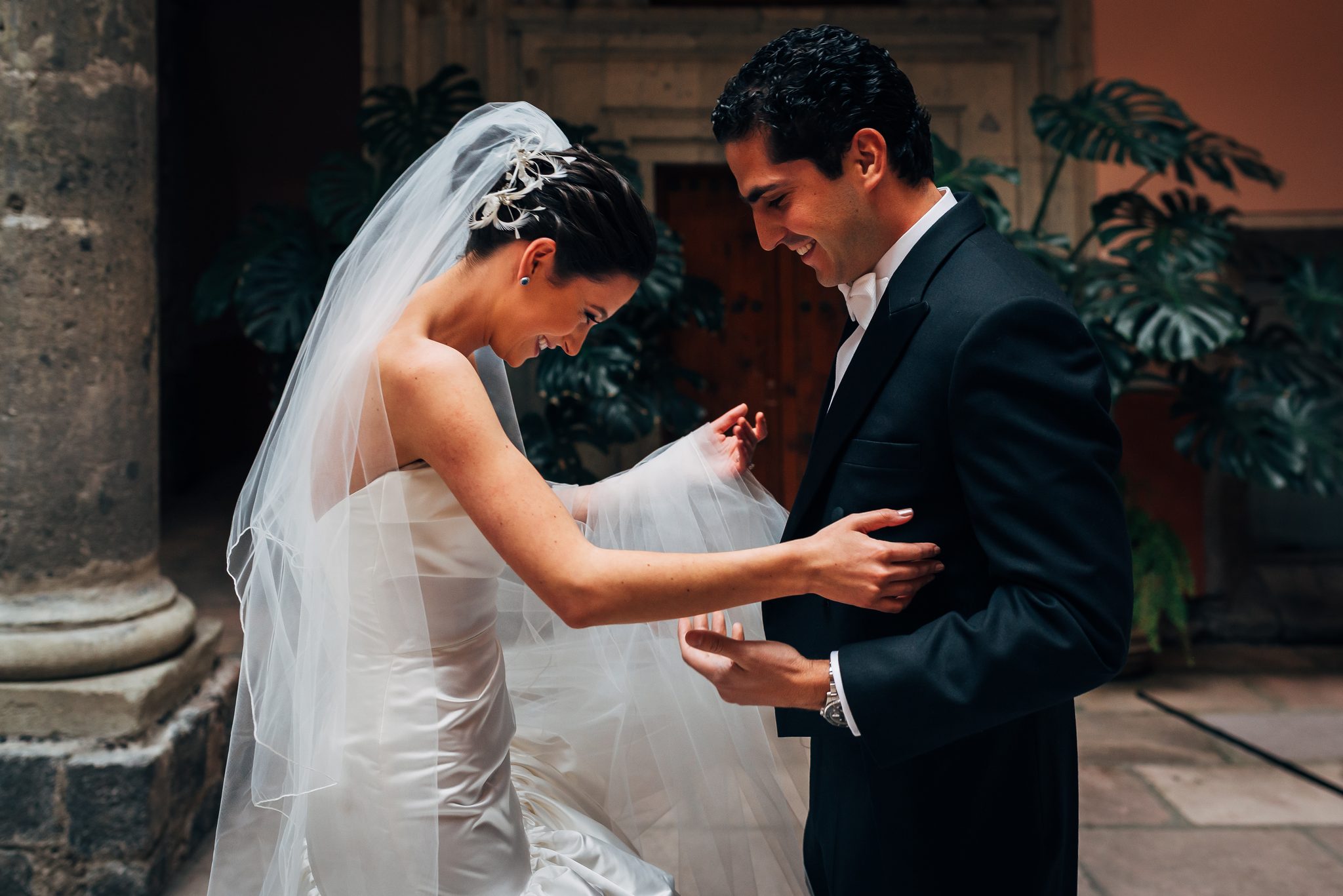
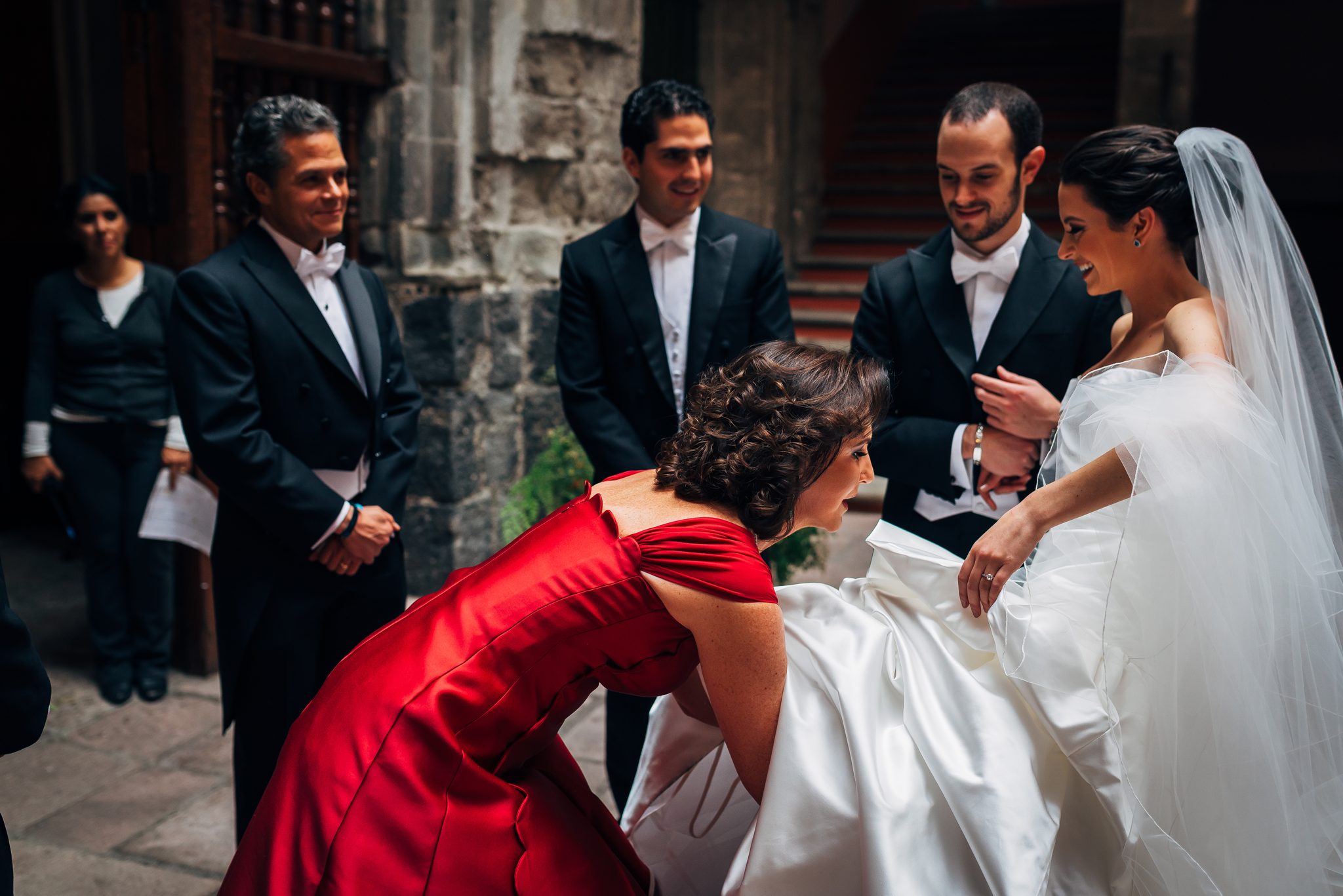
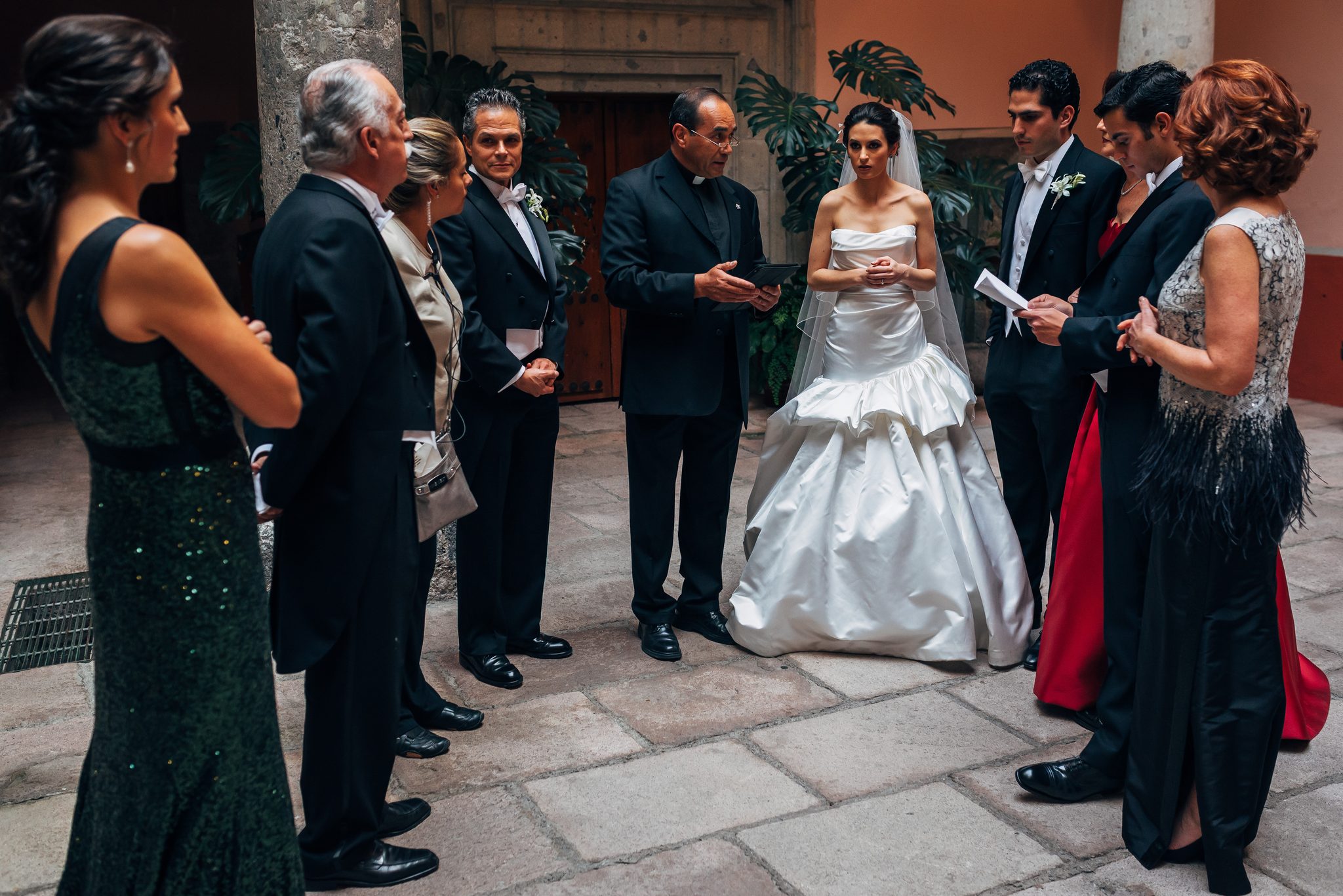
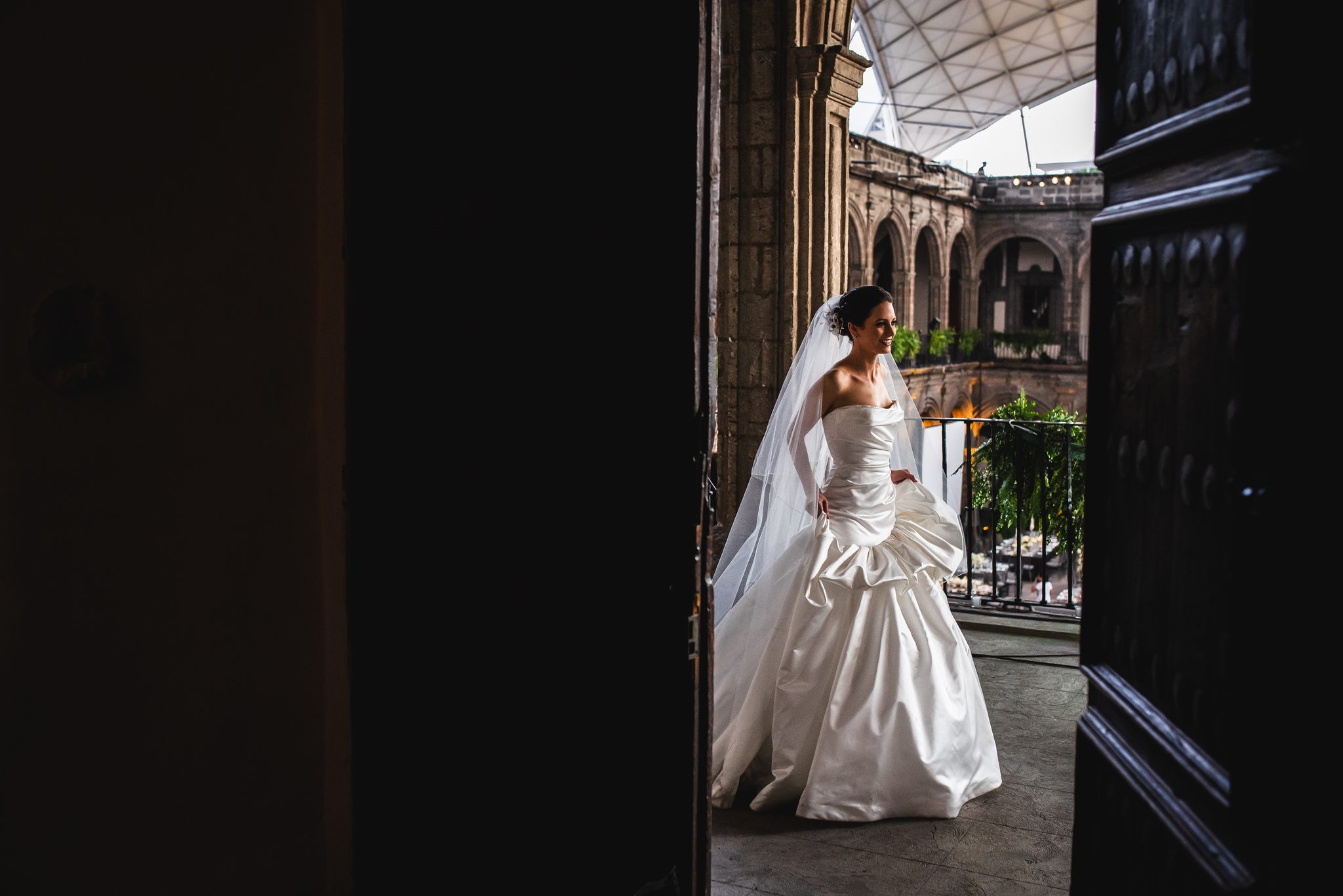
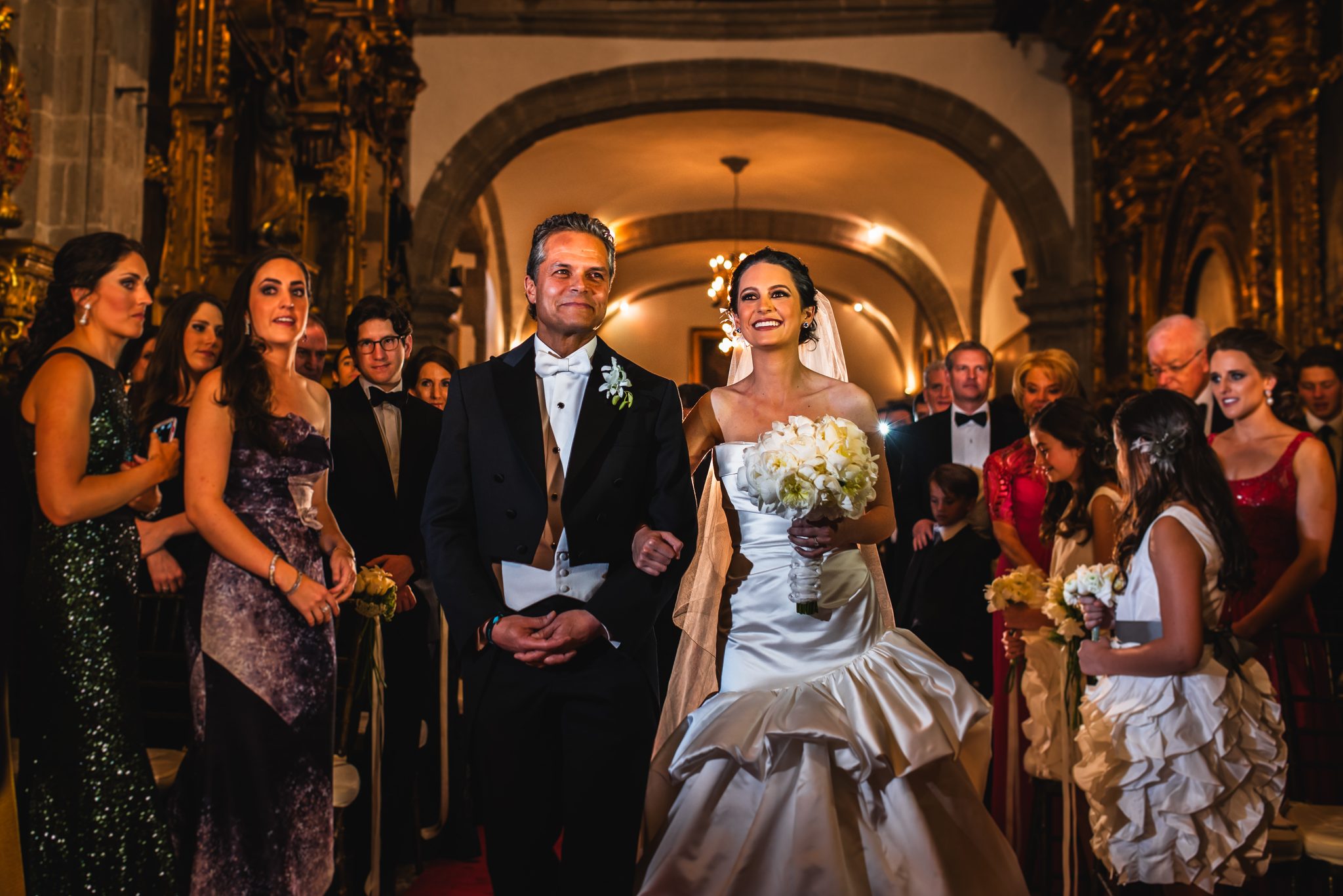
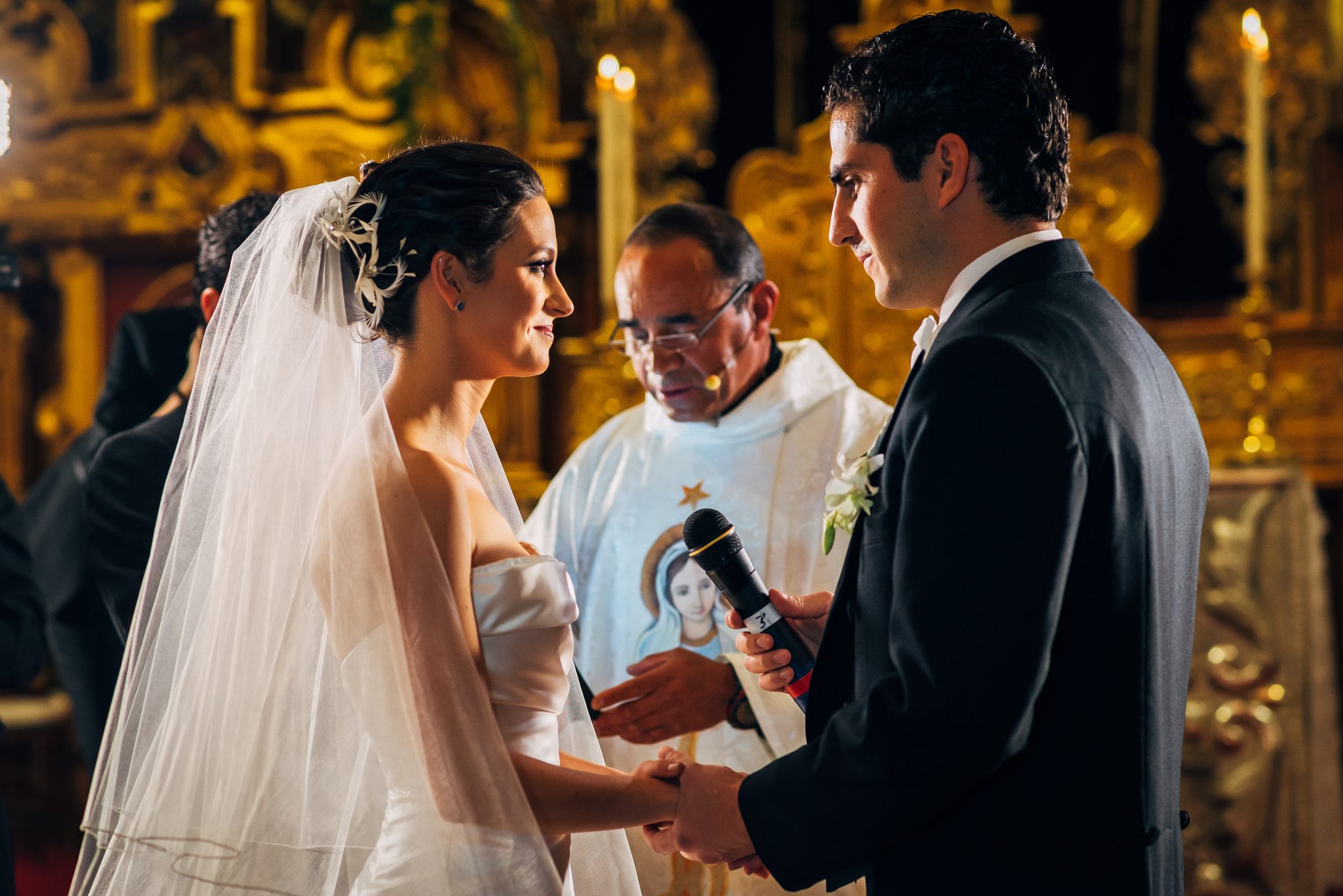
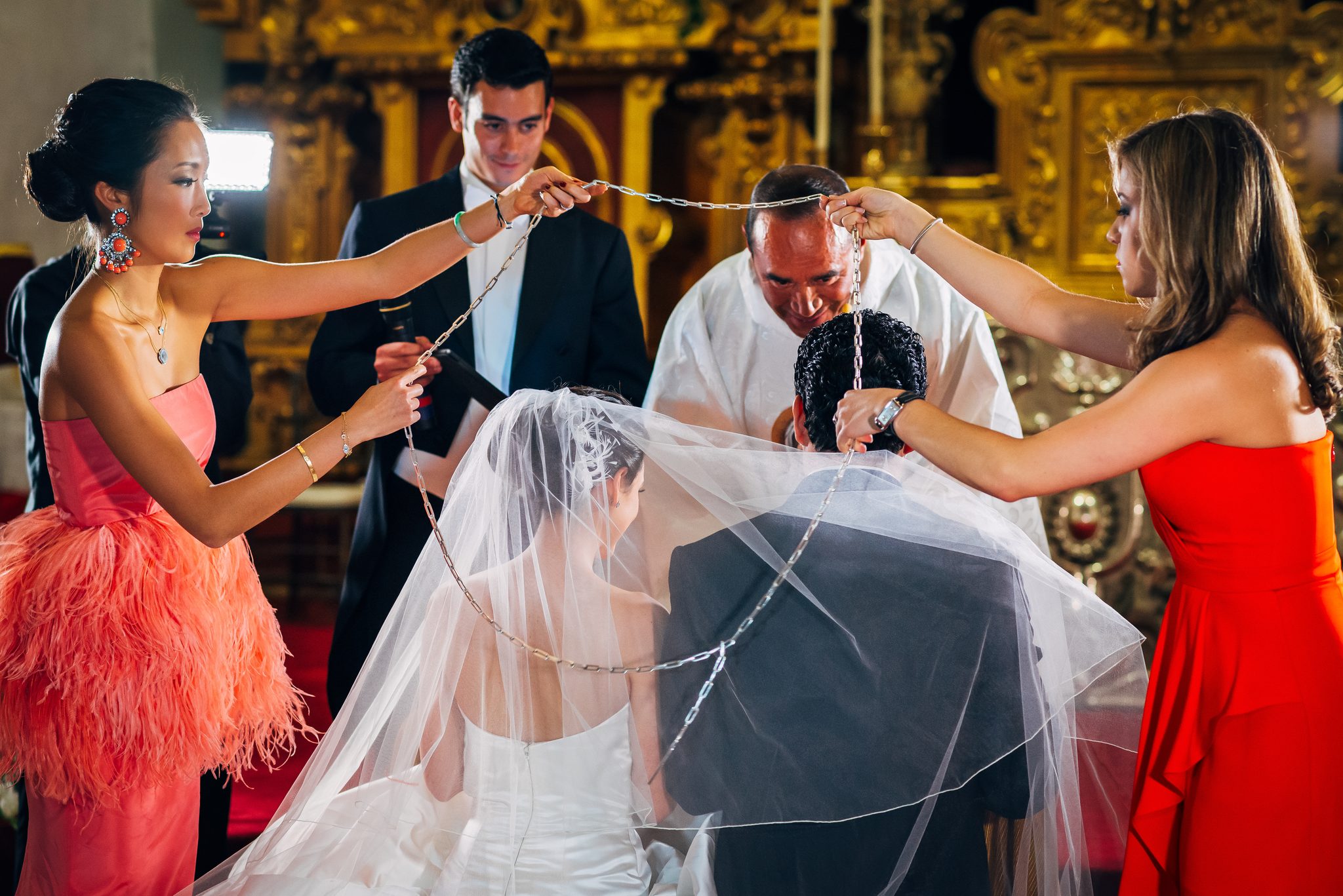
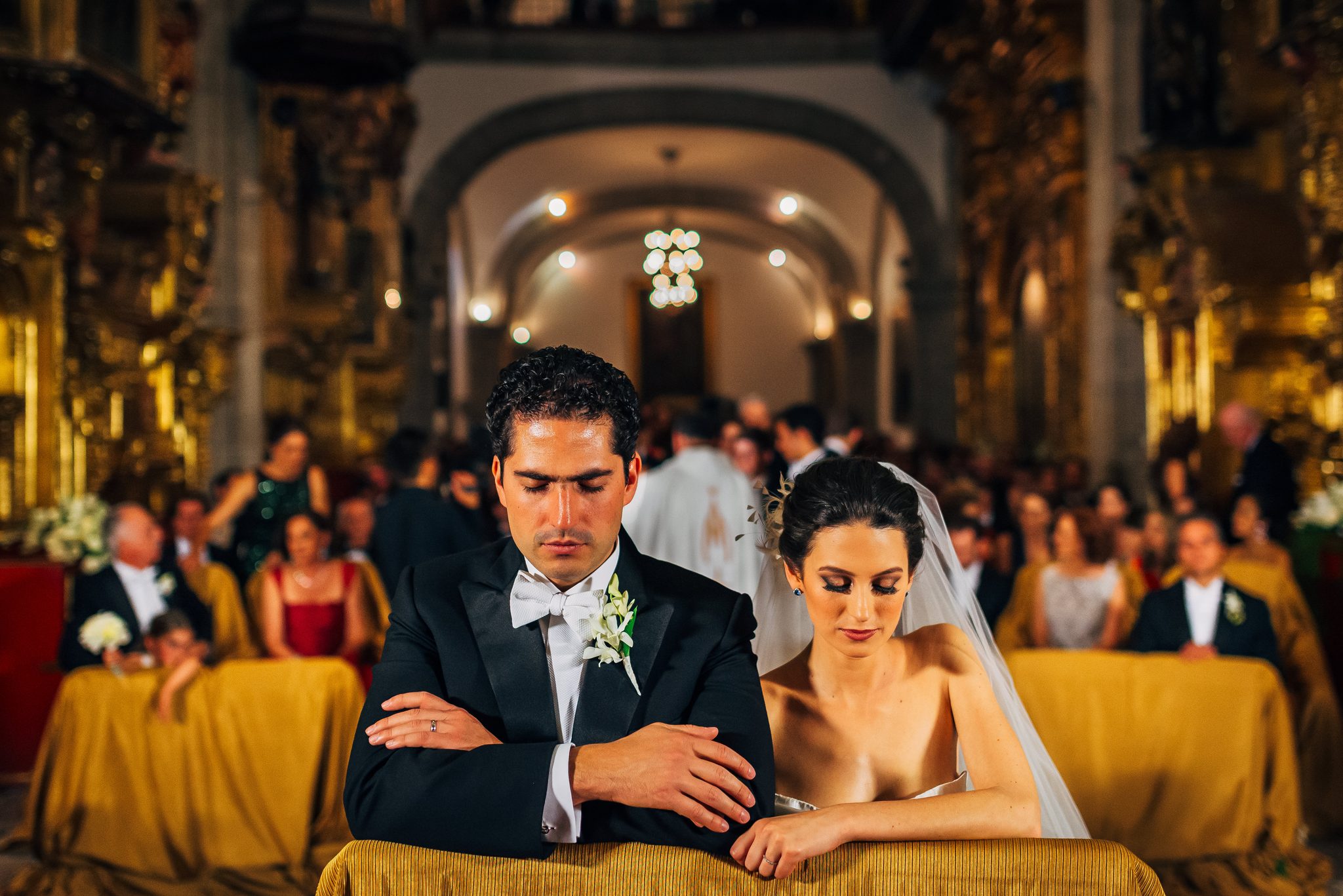
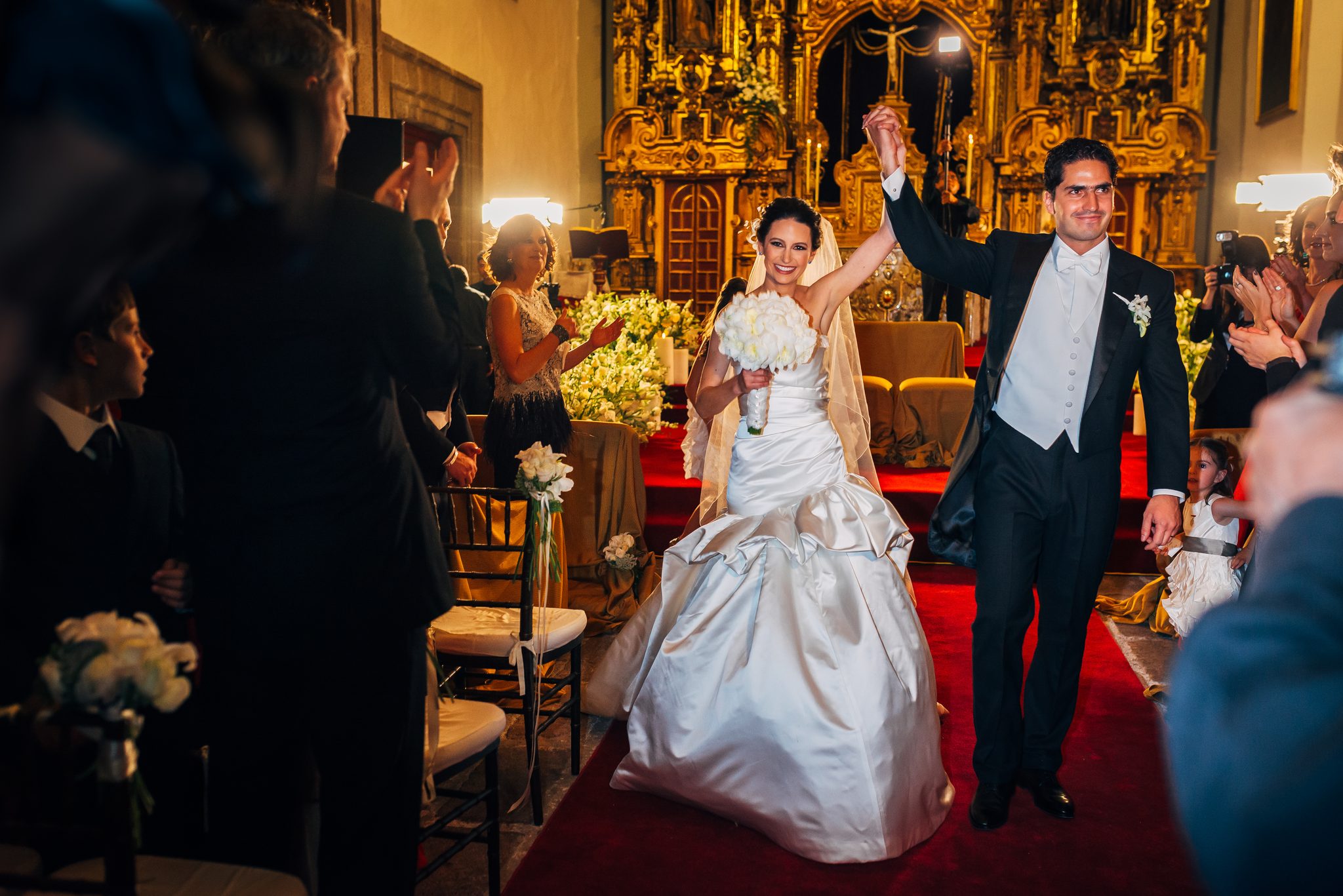
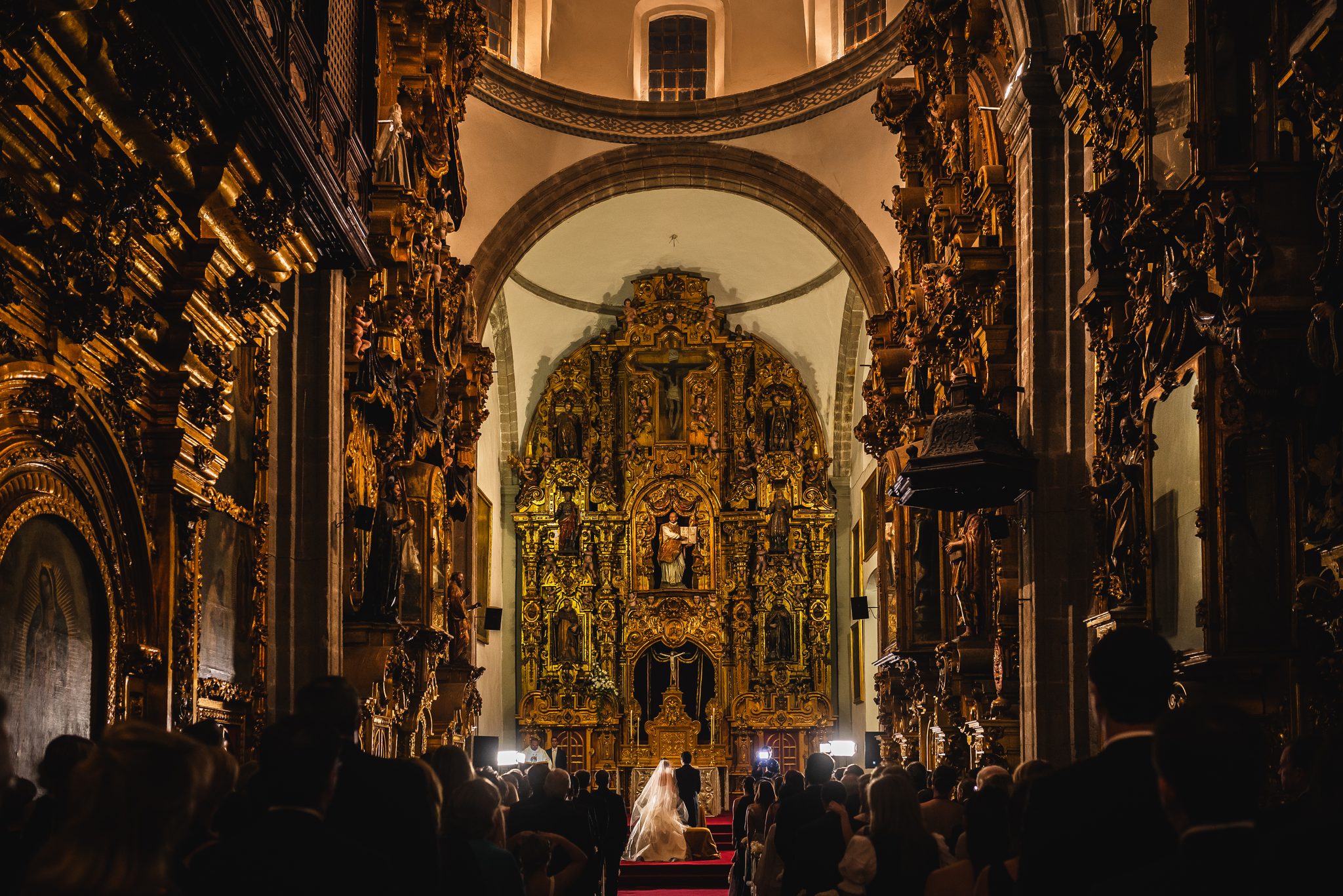
The ceremony took place in the chapel of Vizcaínas, under its five gilded baroque altarpieces. It’s a space built to make people feel small and moved at the same time, and it does both.
The chapel couldn’t hold everyone. About 250 guests sat inside; the rest of the 950 followed the ceremony outside, on a giant screen. For a few minutes, hundreds of people stood together in a colonial courtyard, watching two people say yes on a screen, and then turned to welcome them when they came out.
950 guests in a baroque palace
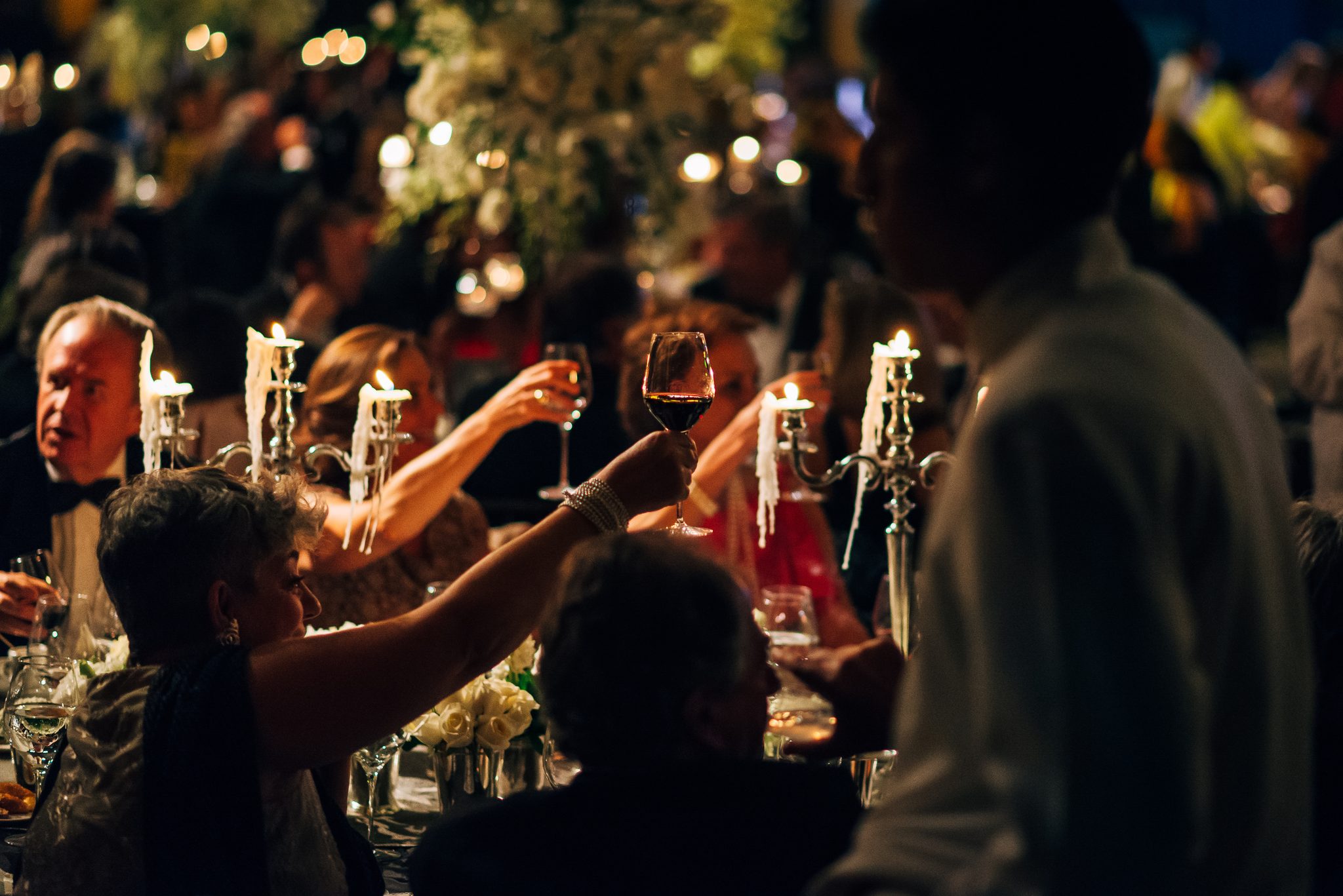
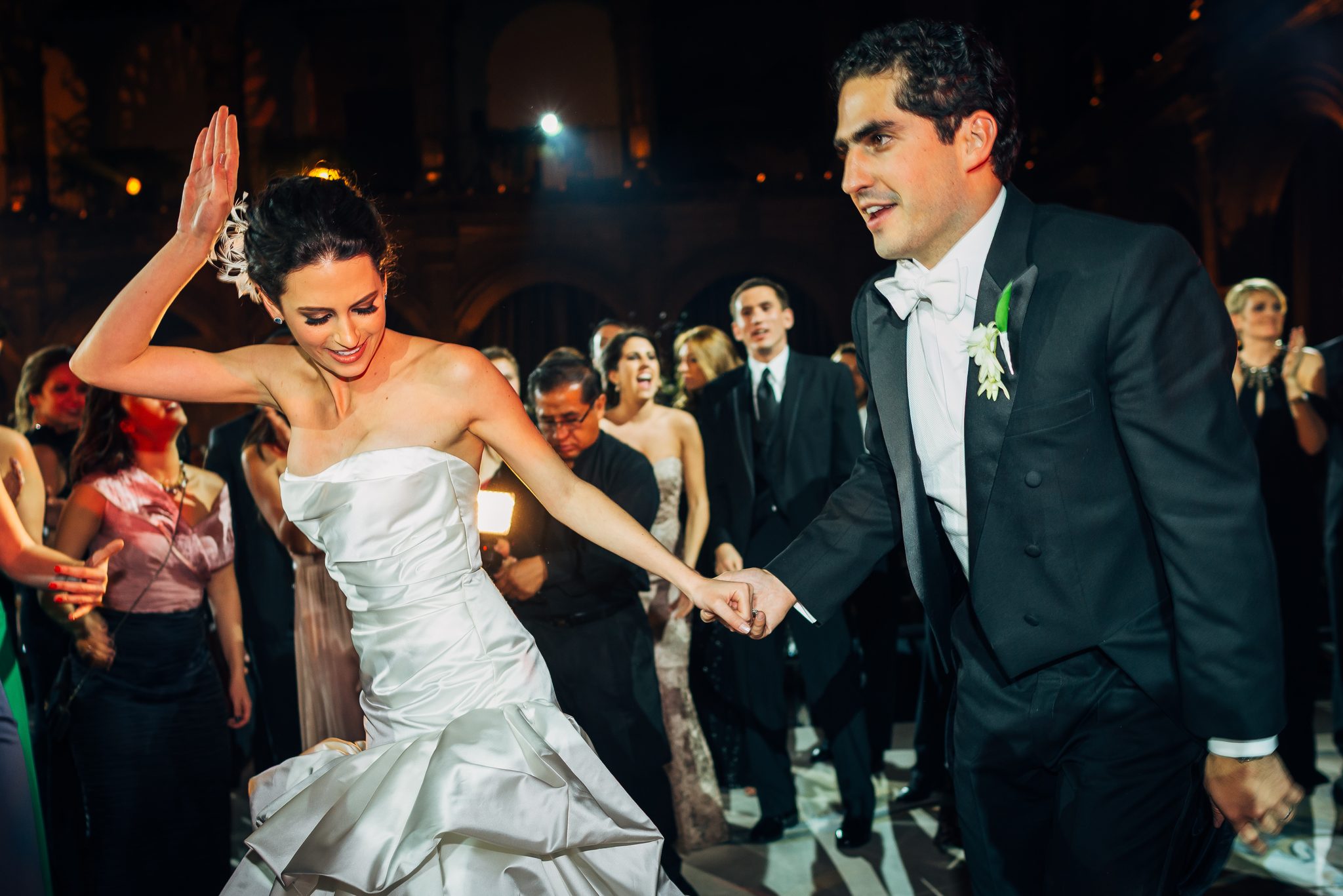
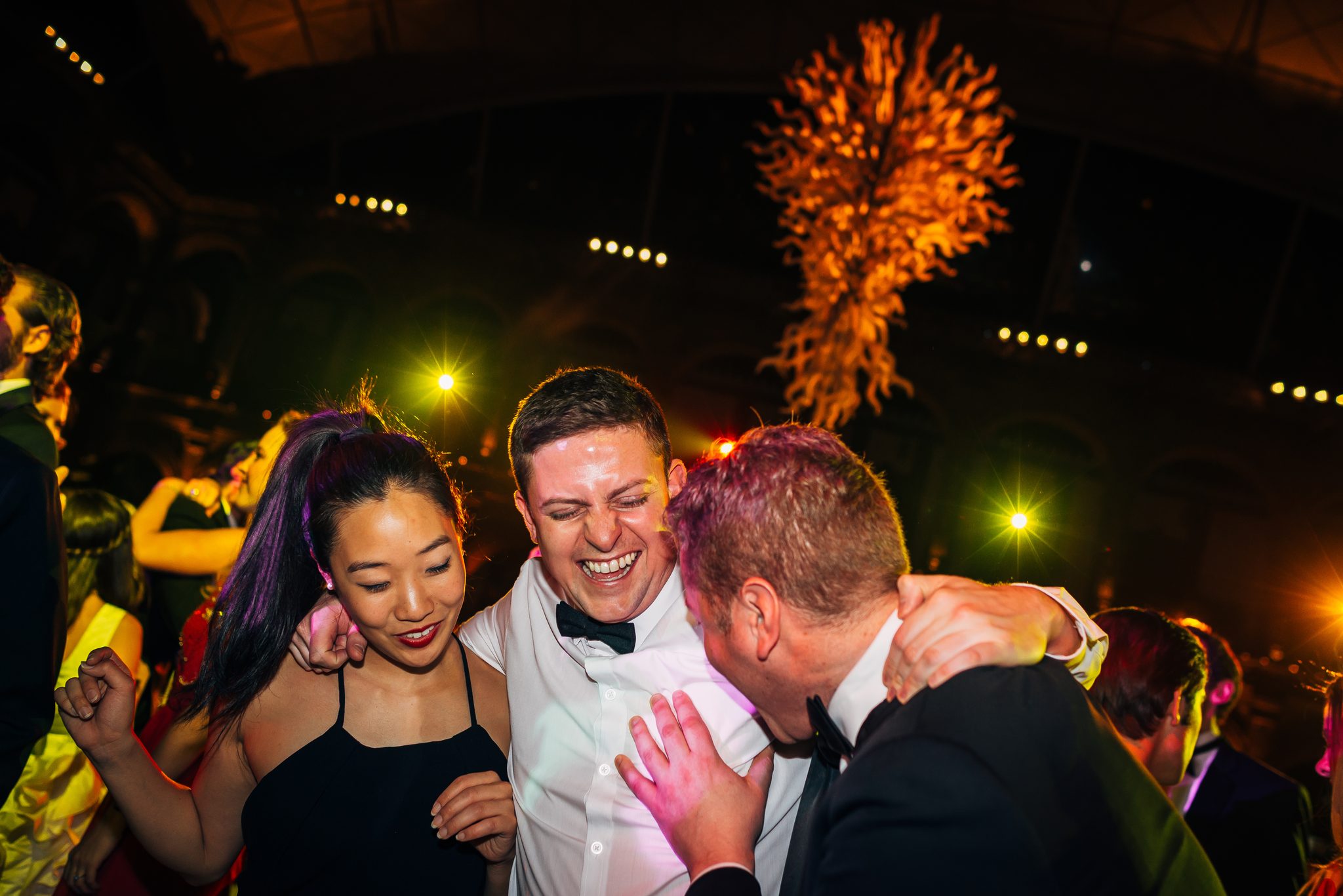
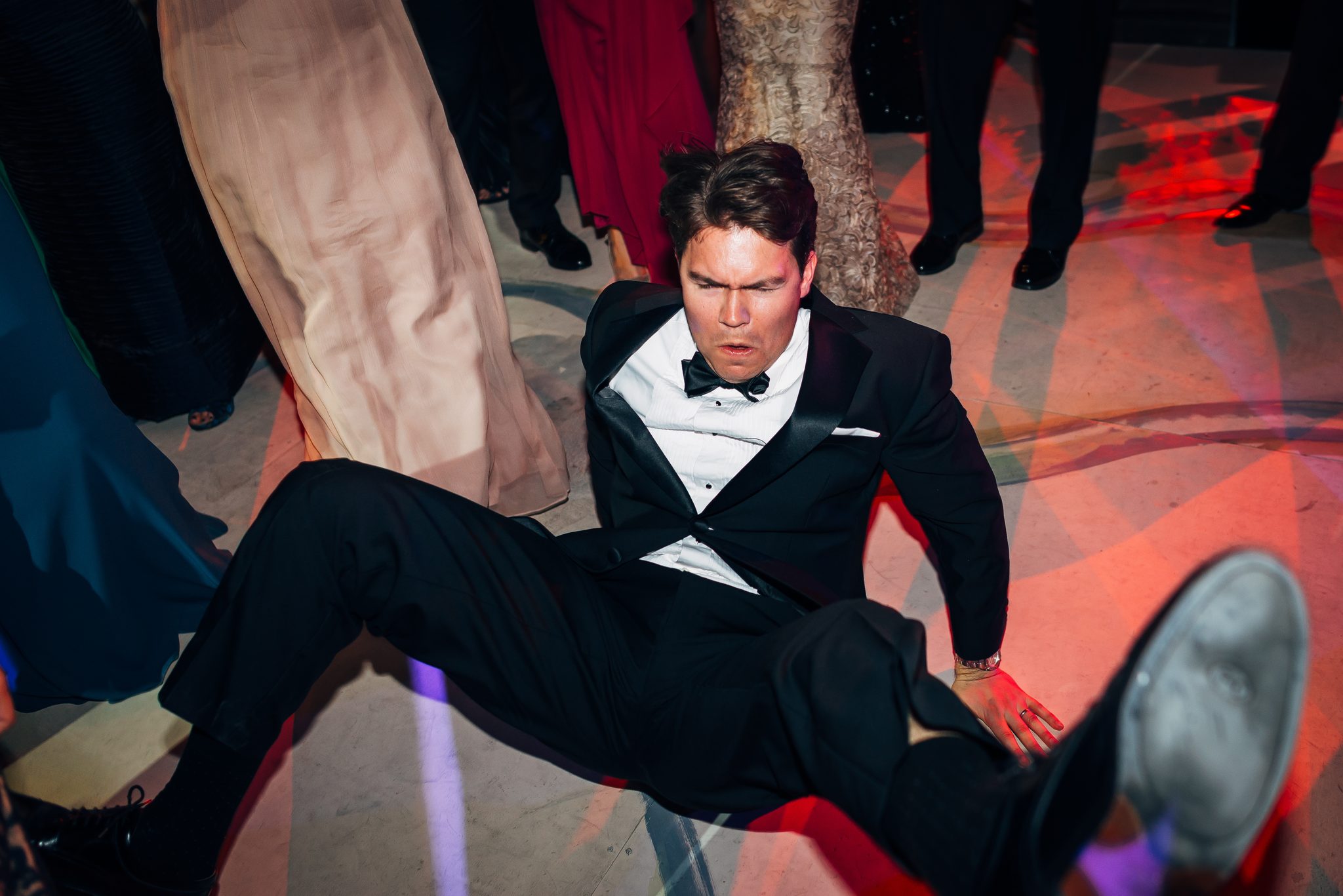
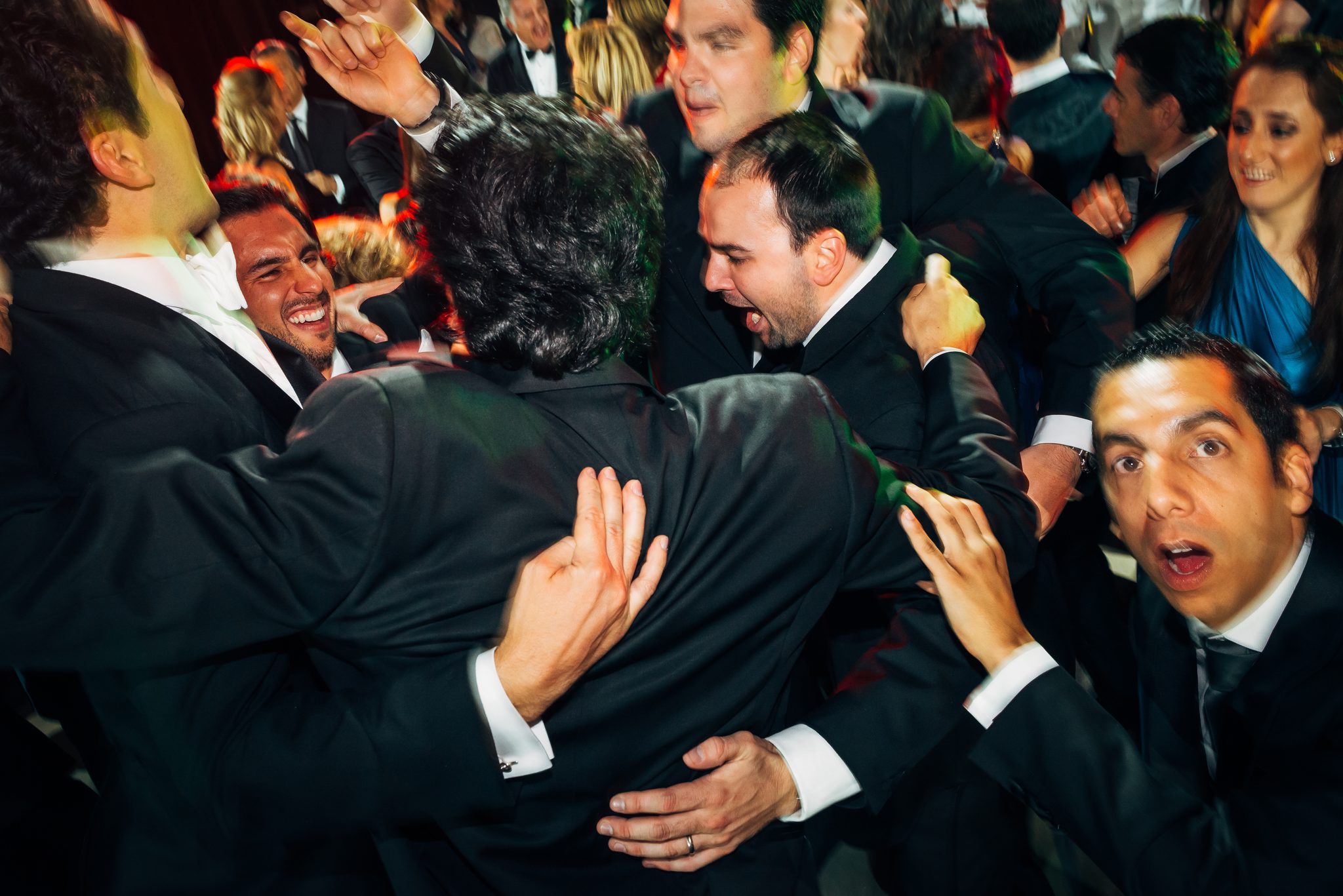
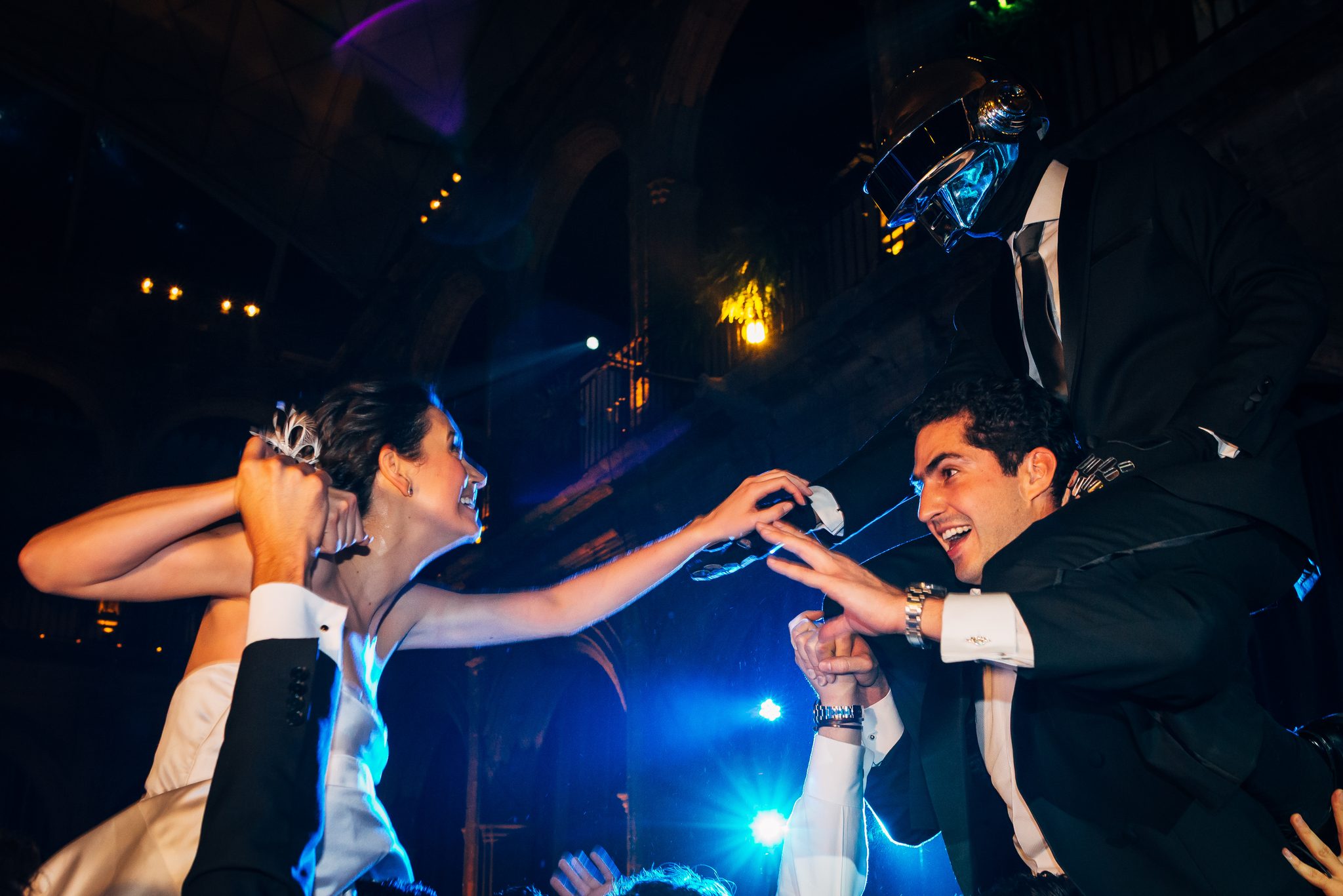
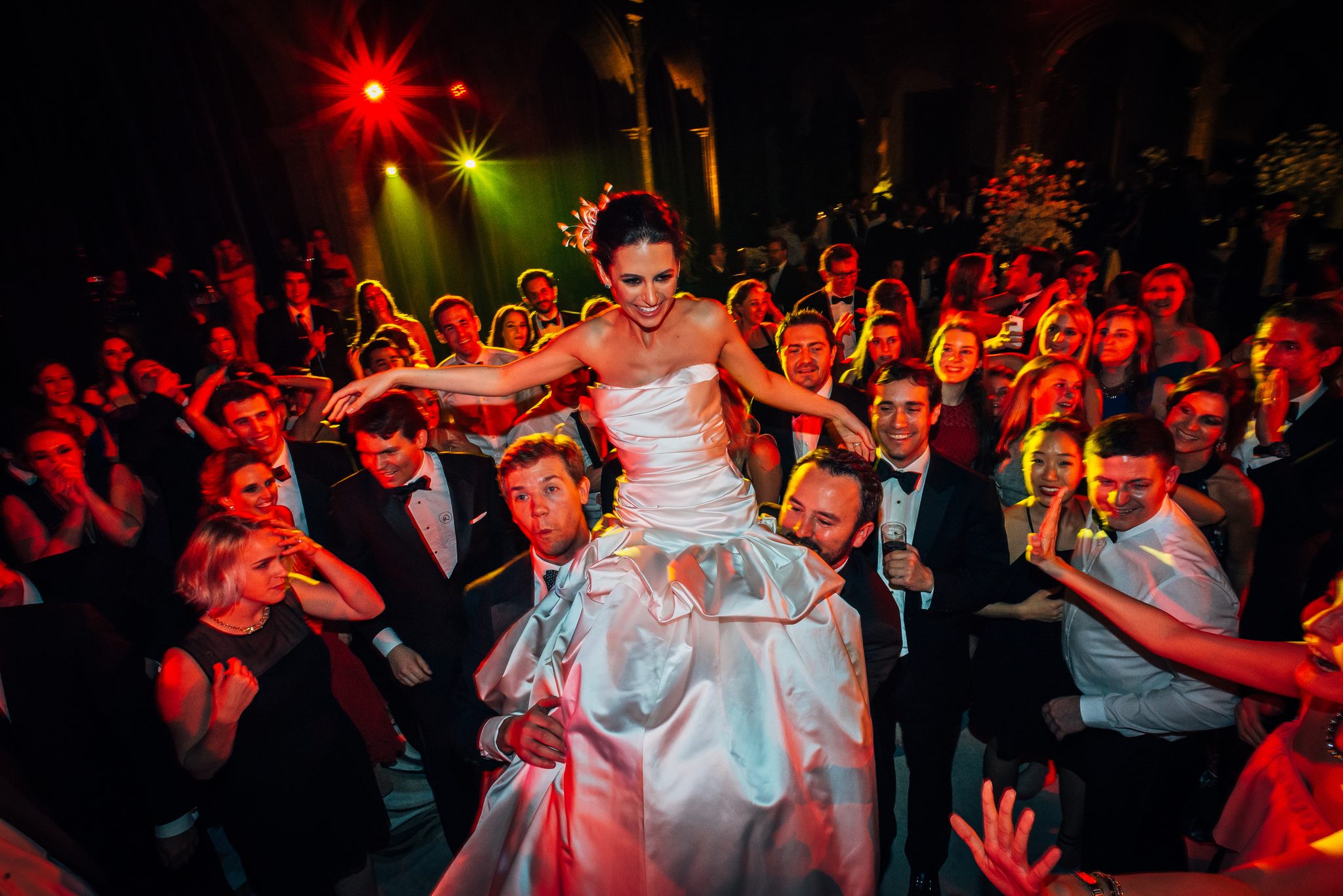
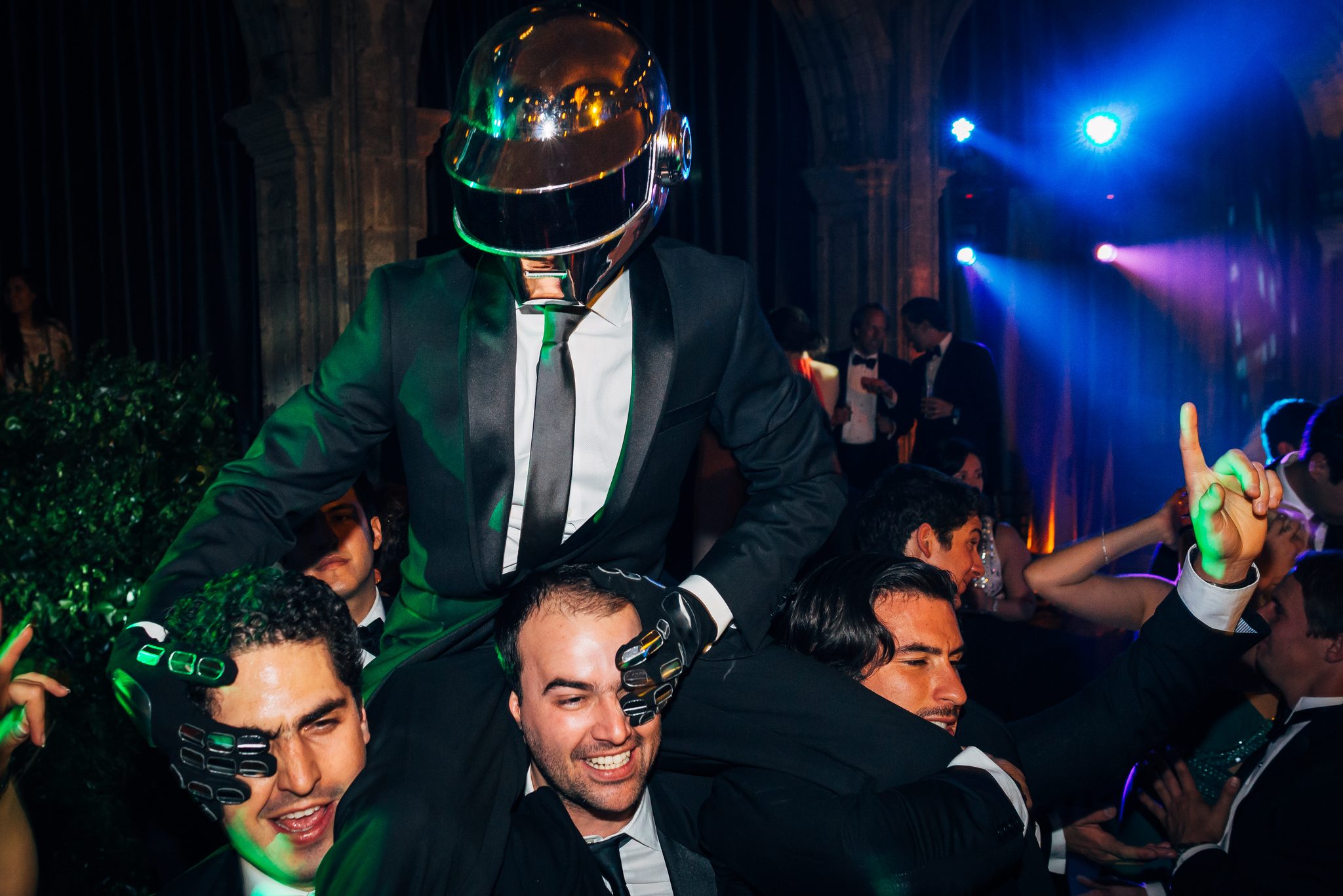
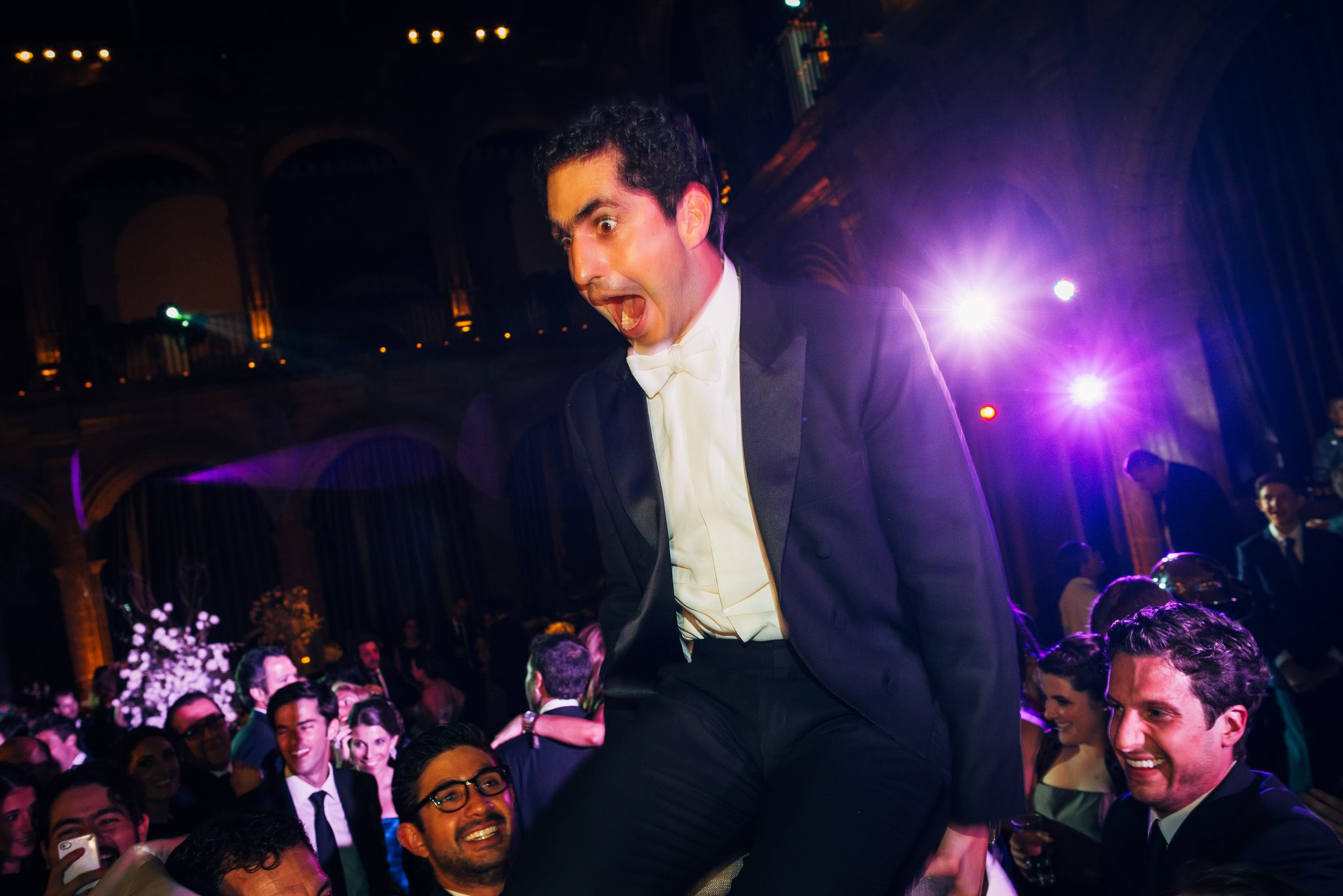
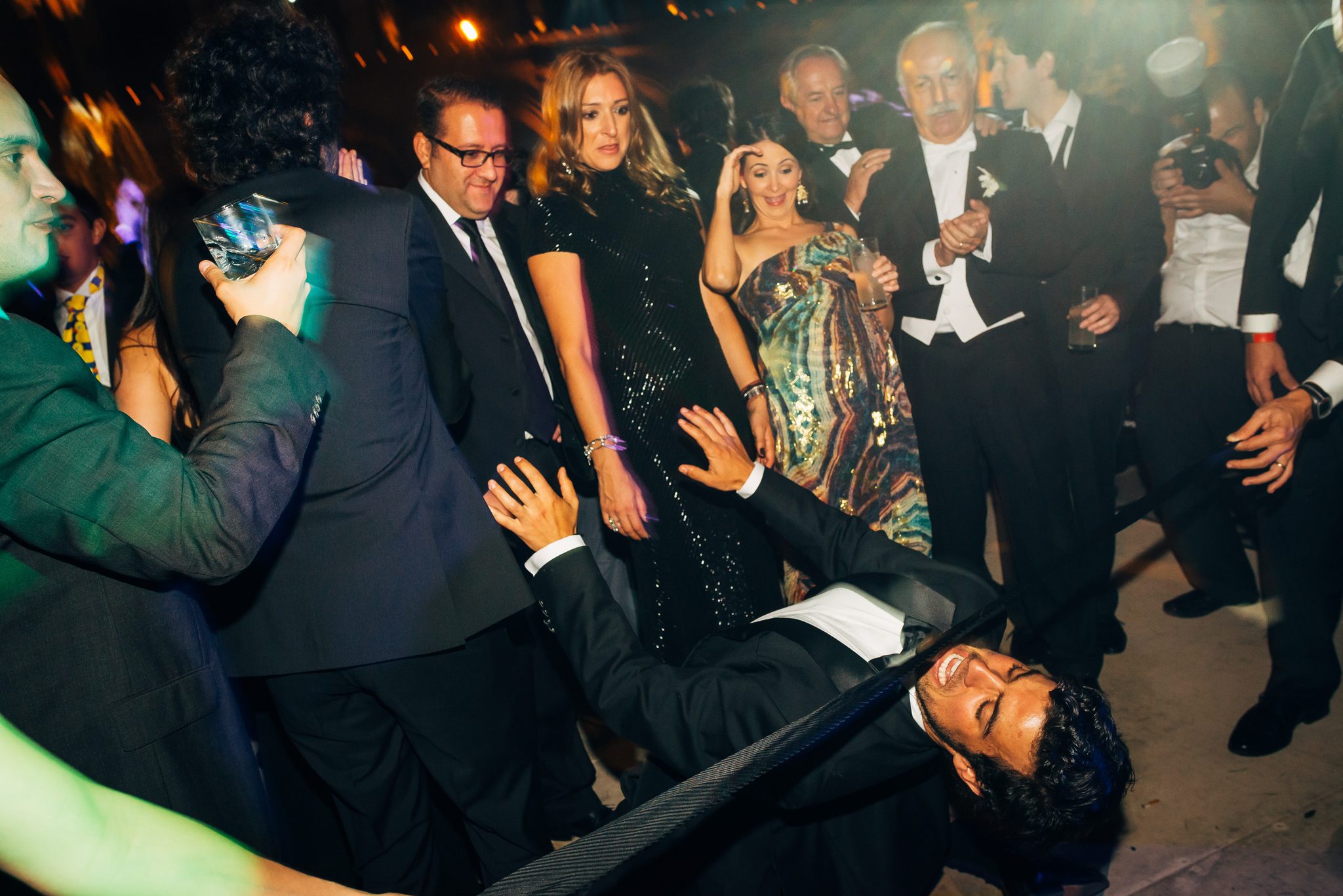
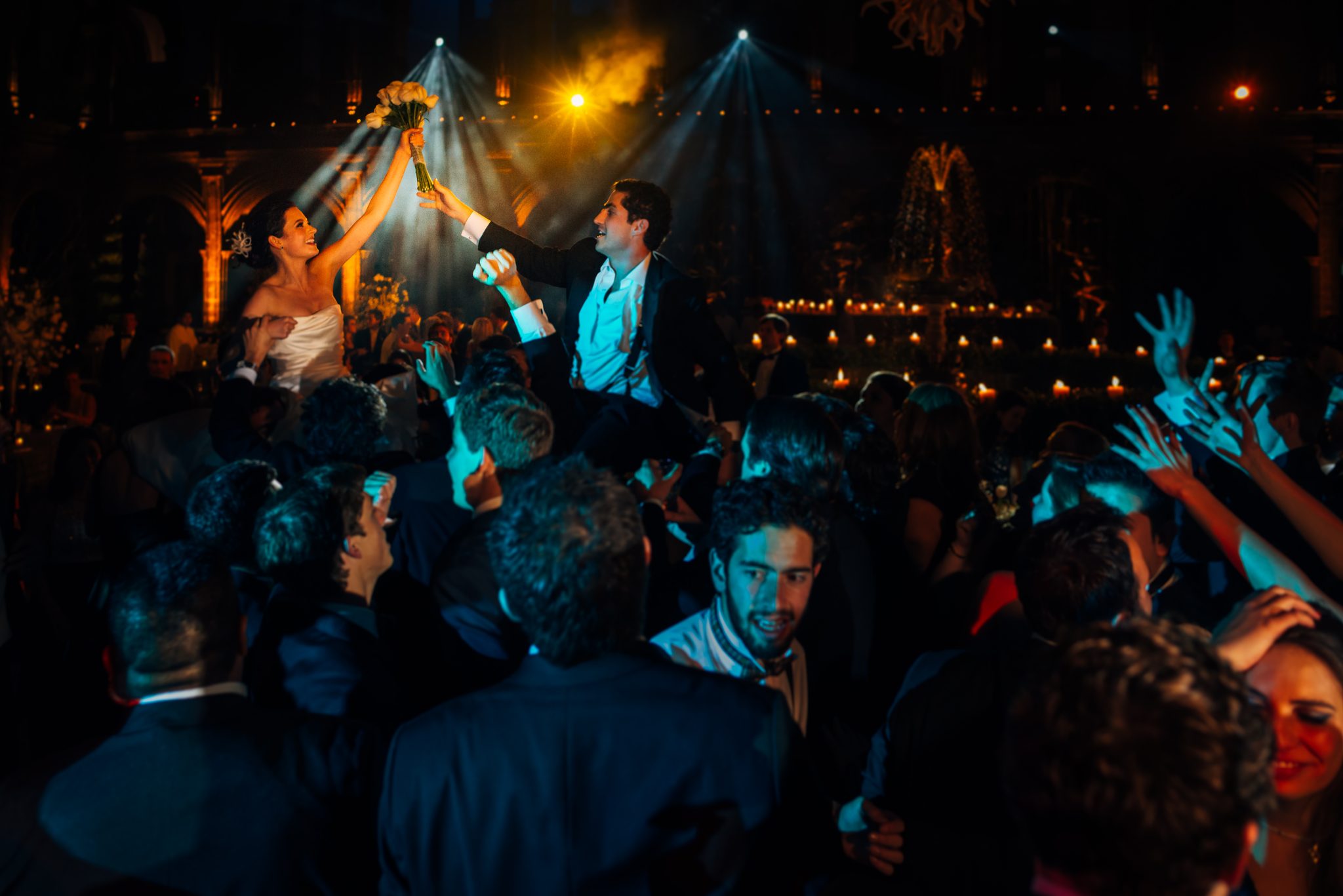
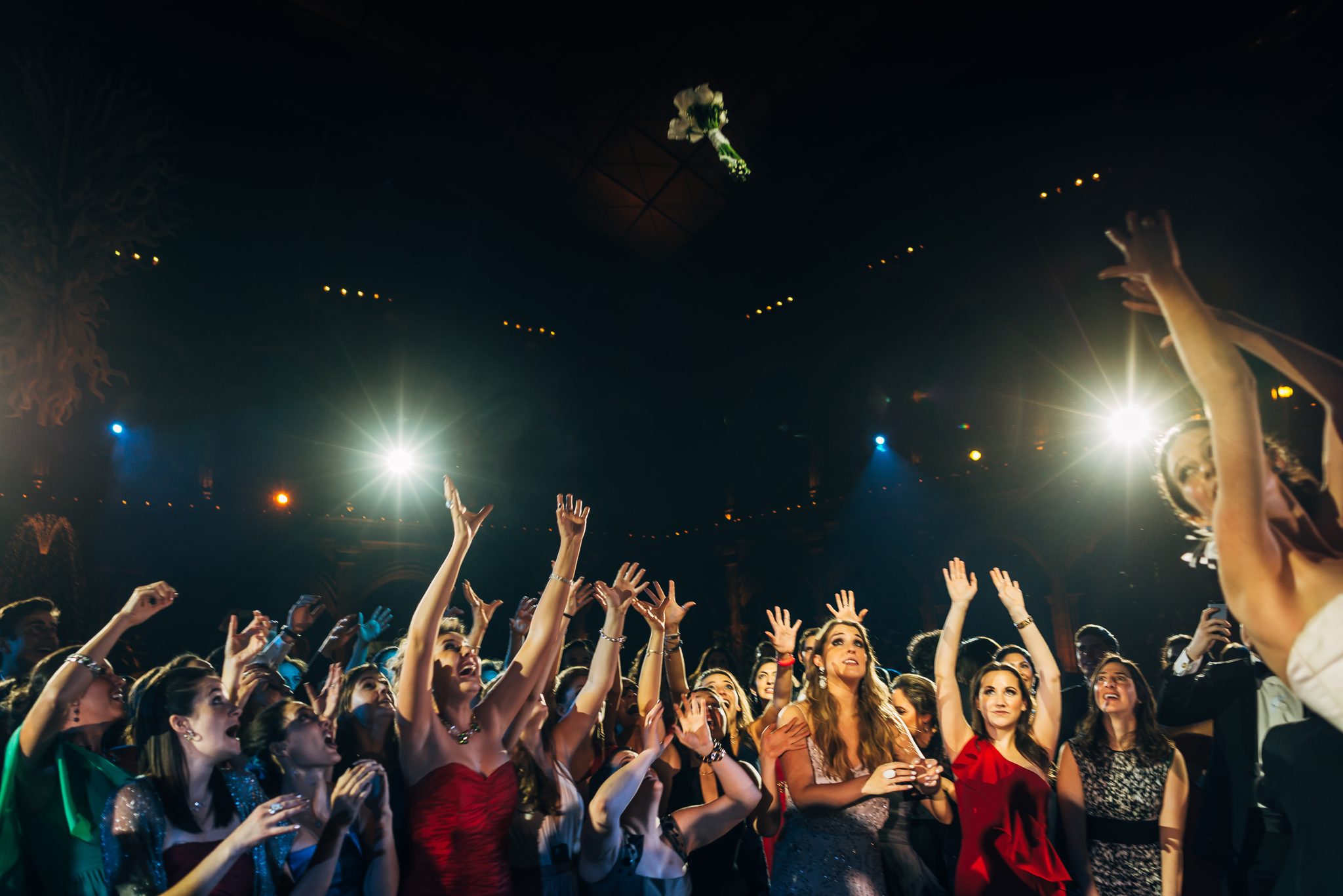
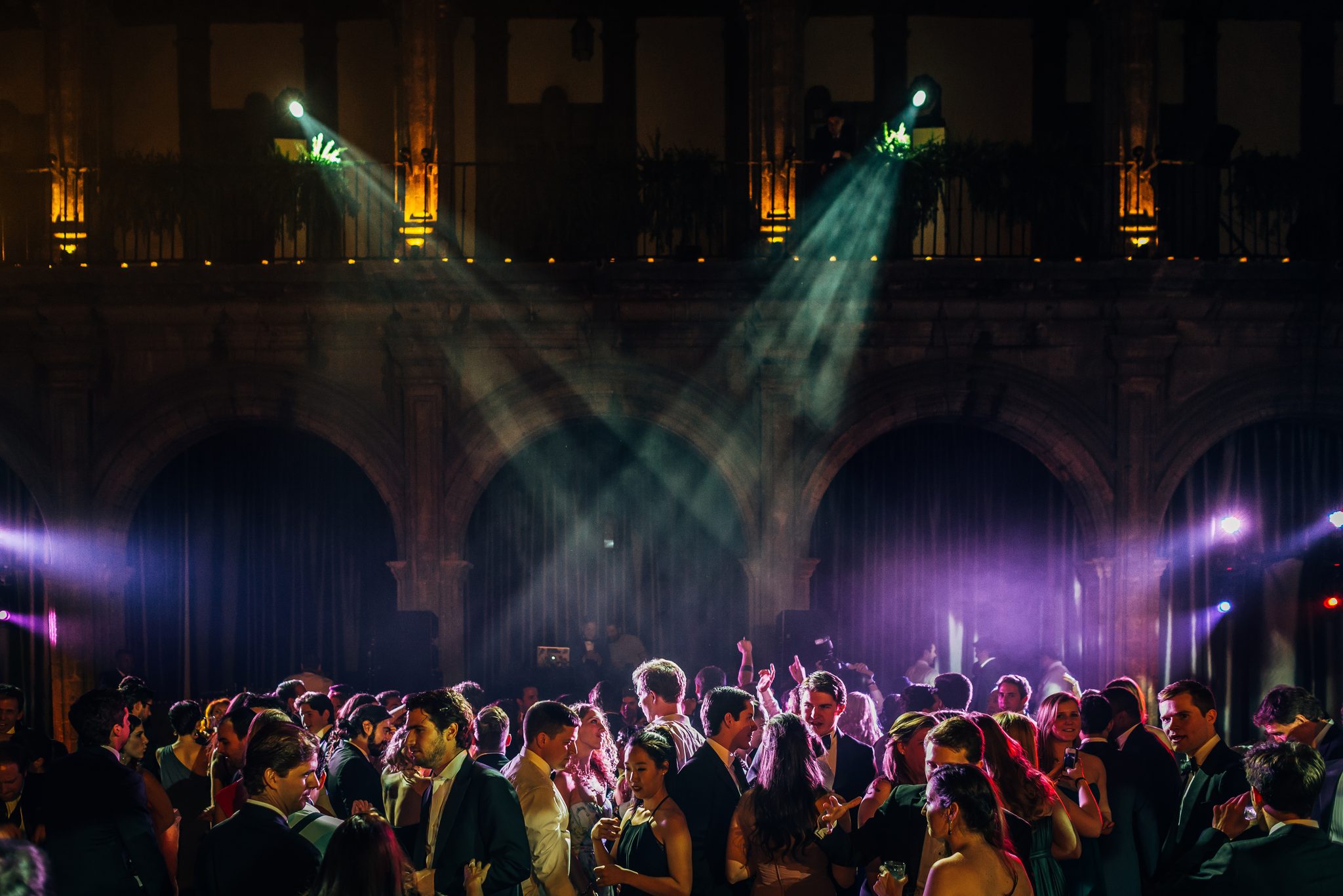
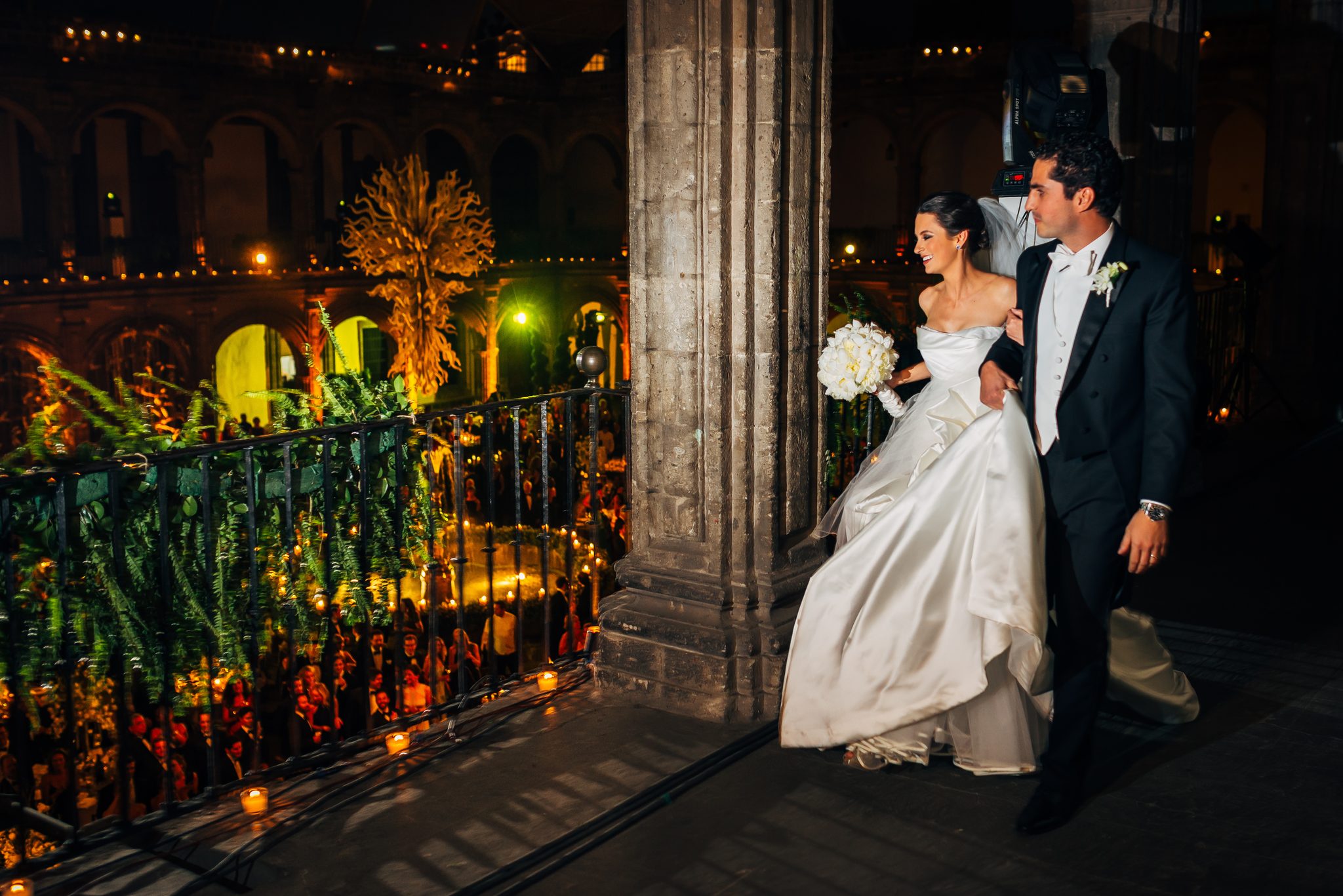
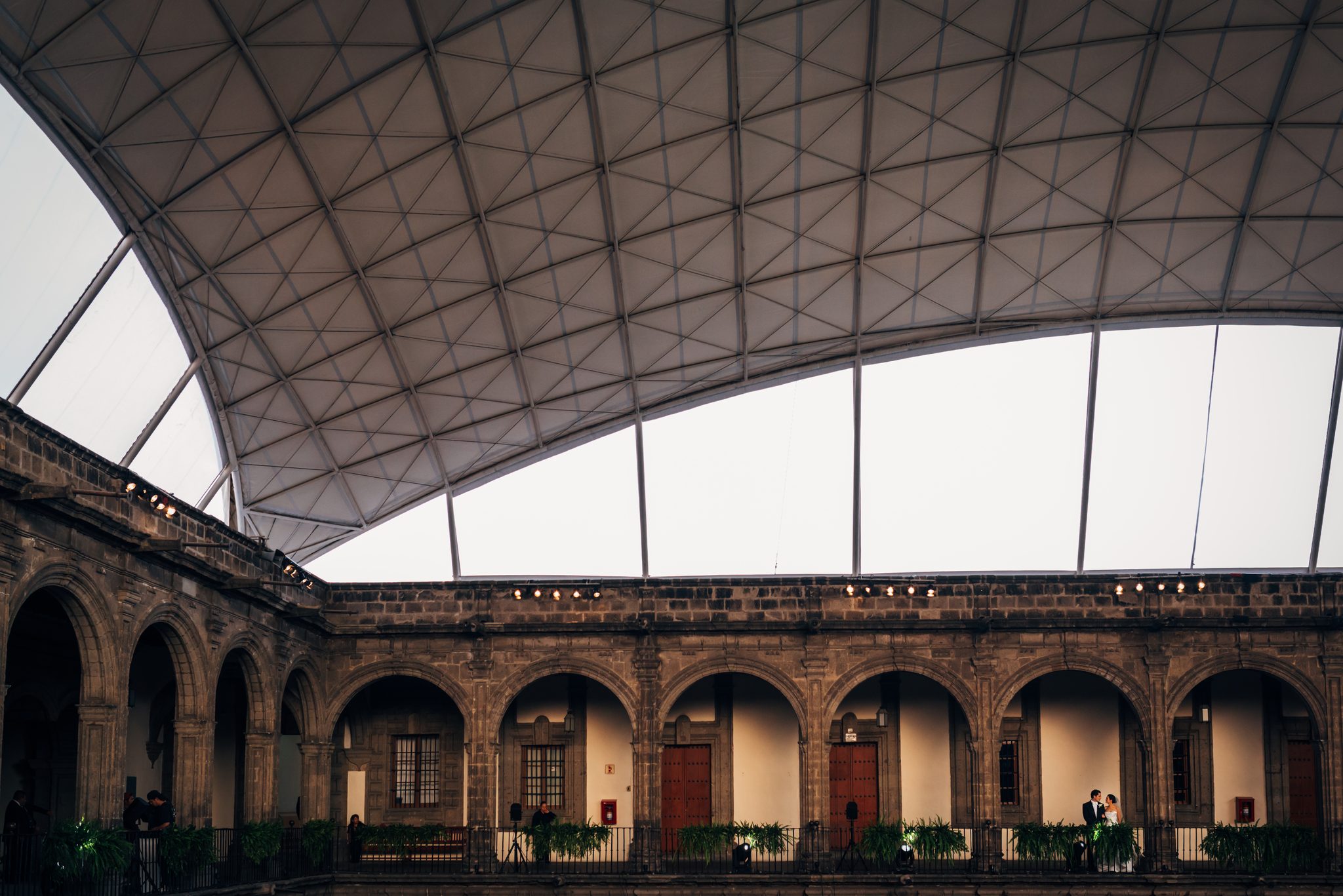
After the ceremony, the celebration moved to the Patio Principal, the great courtyard at the center of the building, under a high canopy stretched above the arcades. With 950 guests, every arcade was full: people leaning on the stone columns, waiters crossing between them, the music rising up to the roof. As night fell, the courtyard turned from stone to light.
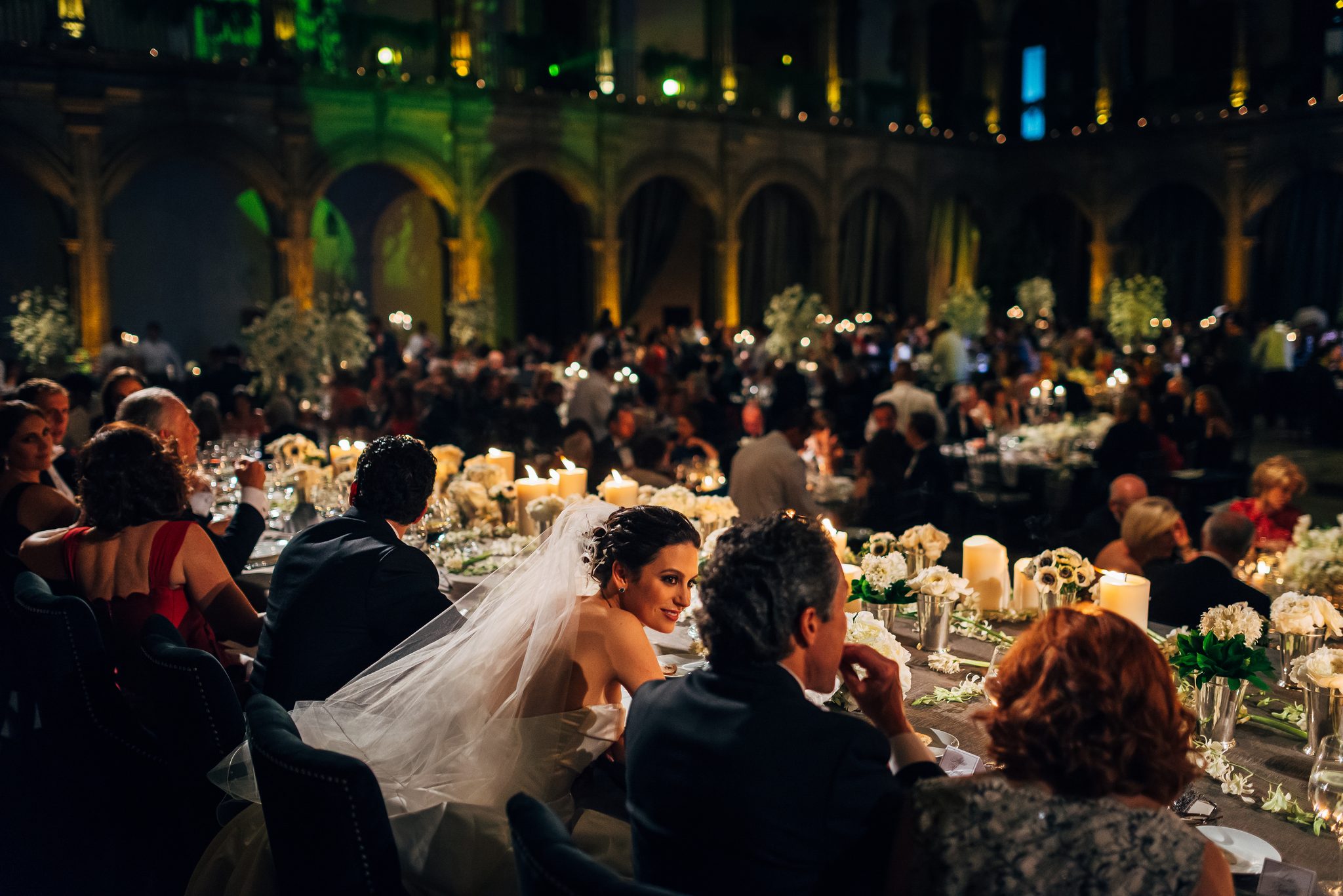
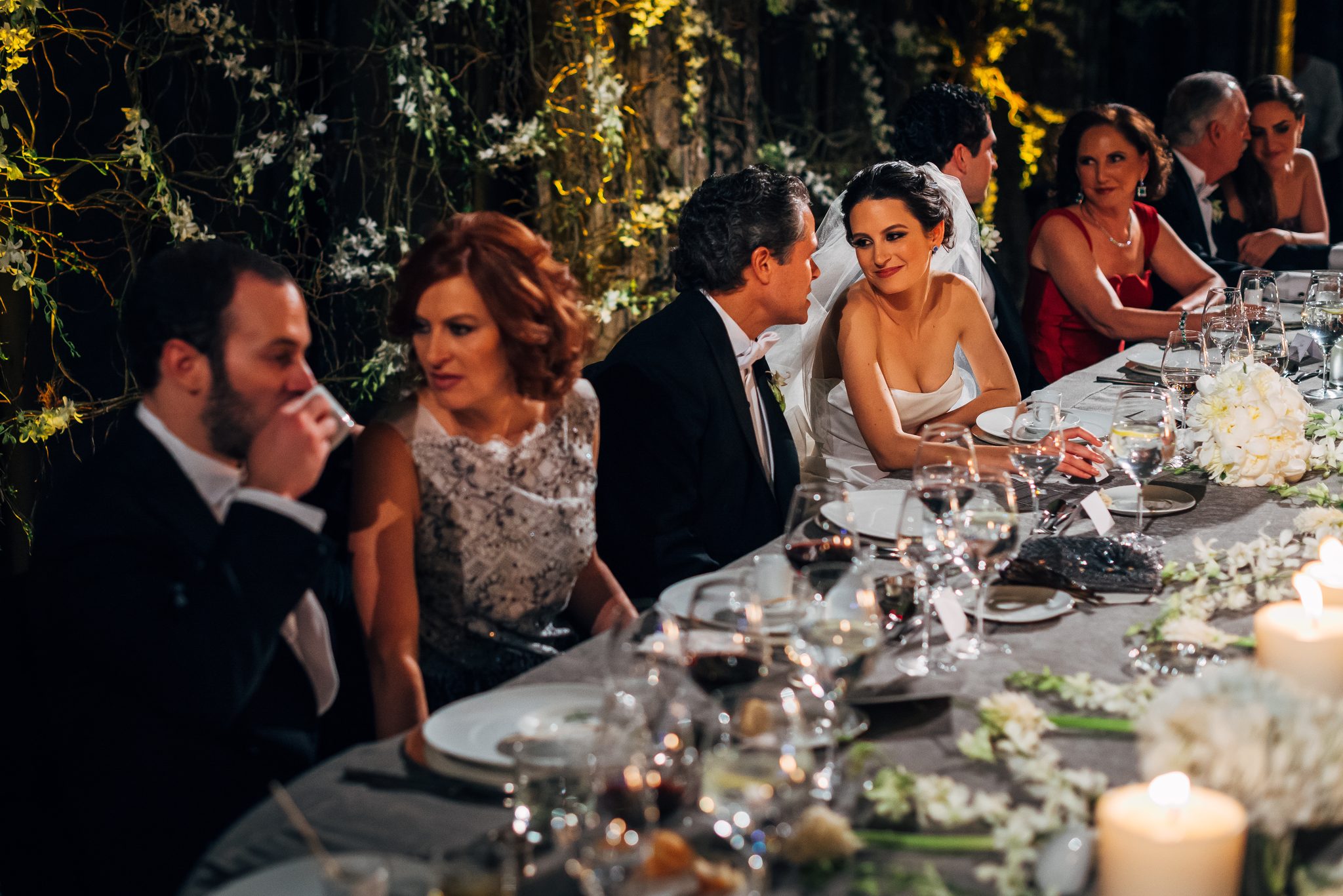
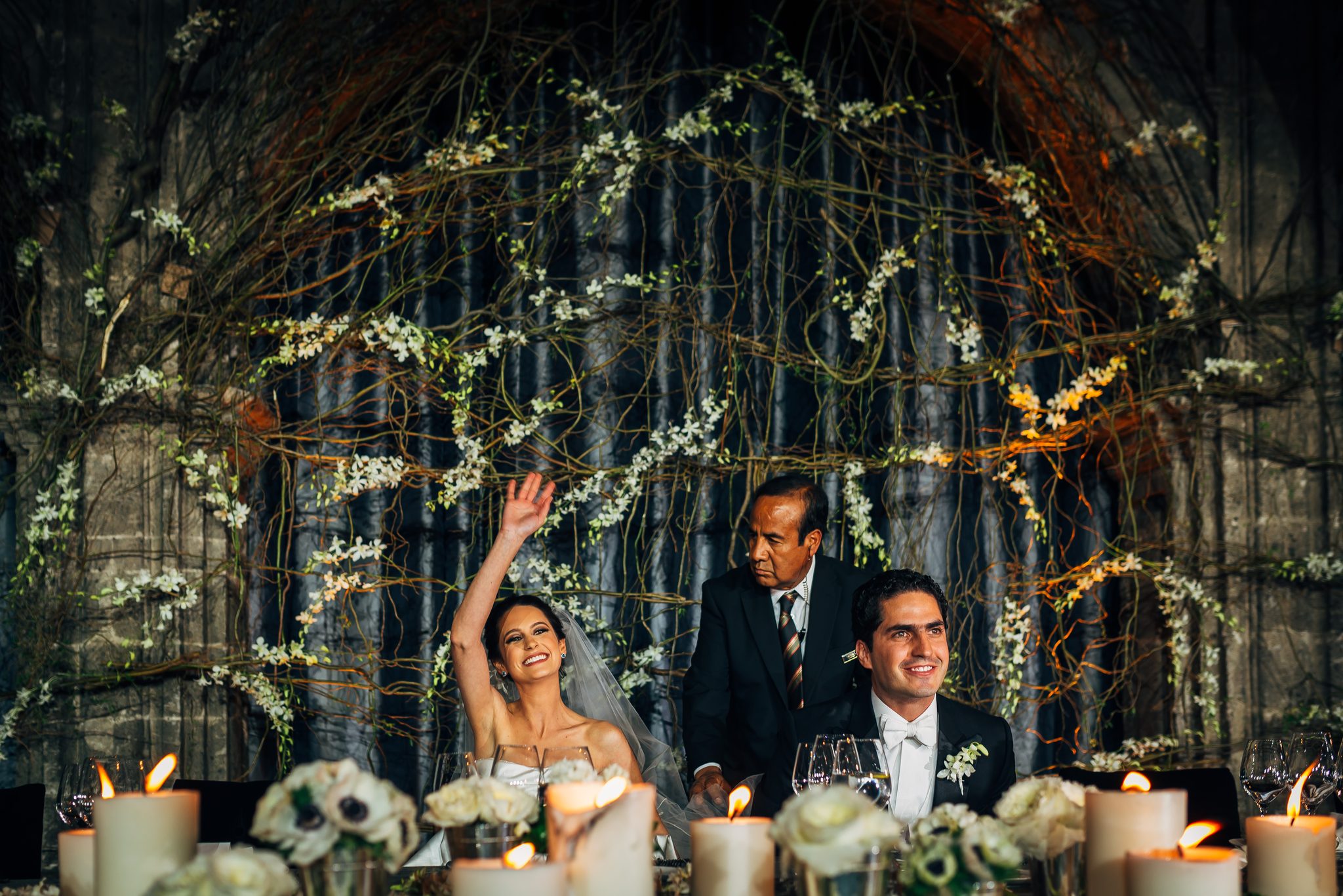
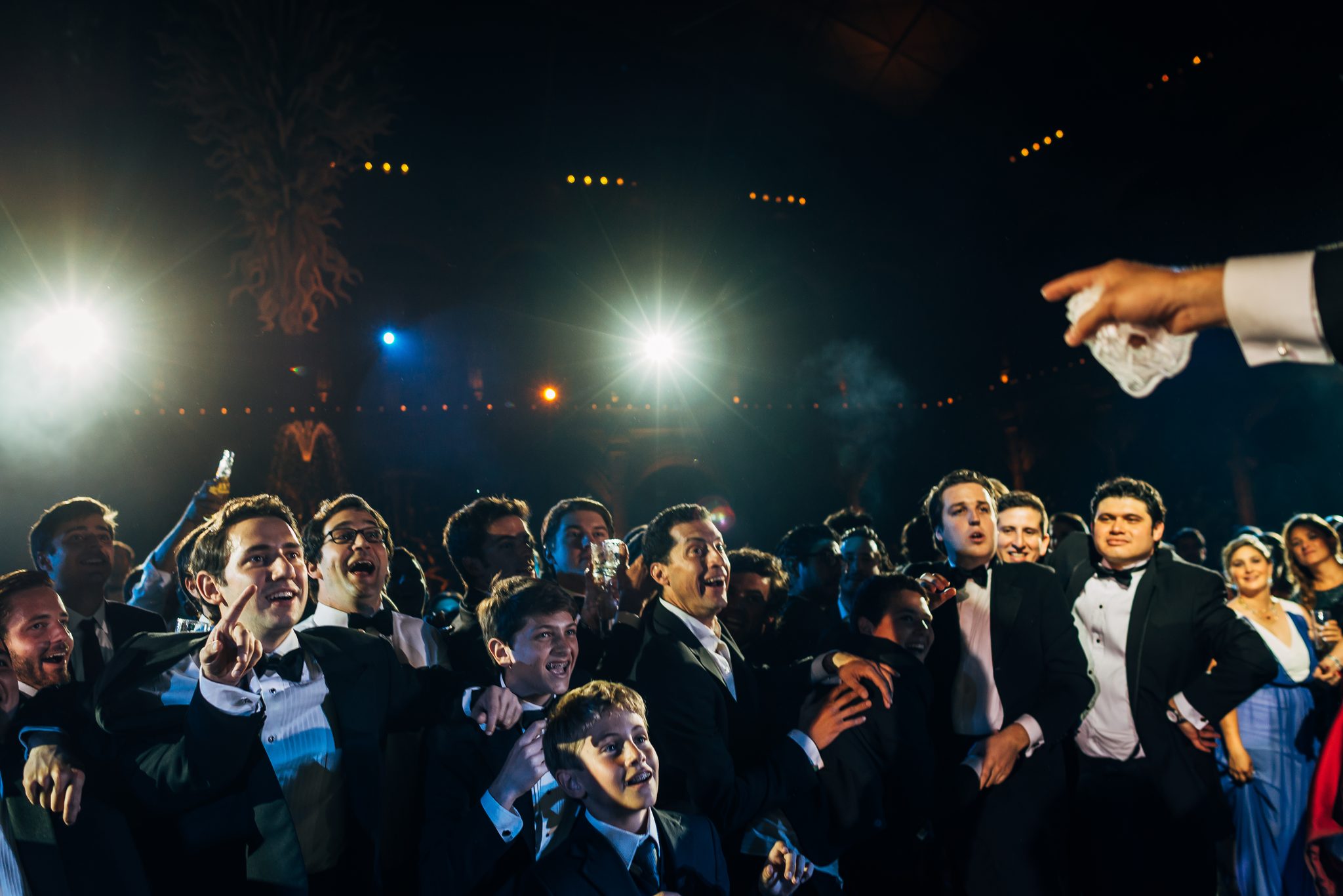
During the speeches, before the dancing started, I stopped for a second and thought: oh my God, 950 people is a lot. Then I remembered that my way of working doesn’t change. Ten guests or a thousand, I try to catch what’s happening around me. I photograph the people who matter most, and when there’s a crowd, I photograph what I find in front of the camera. I can’t photograph everyone. It was powerful all the same.
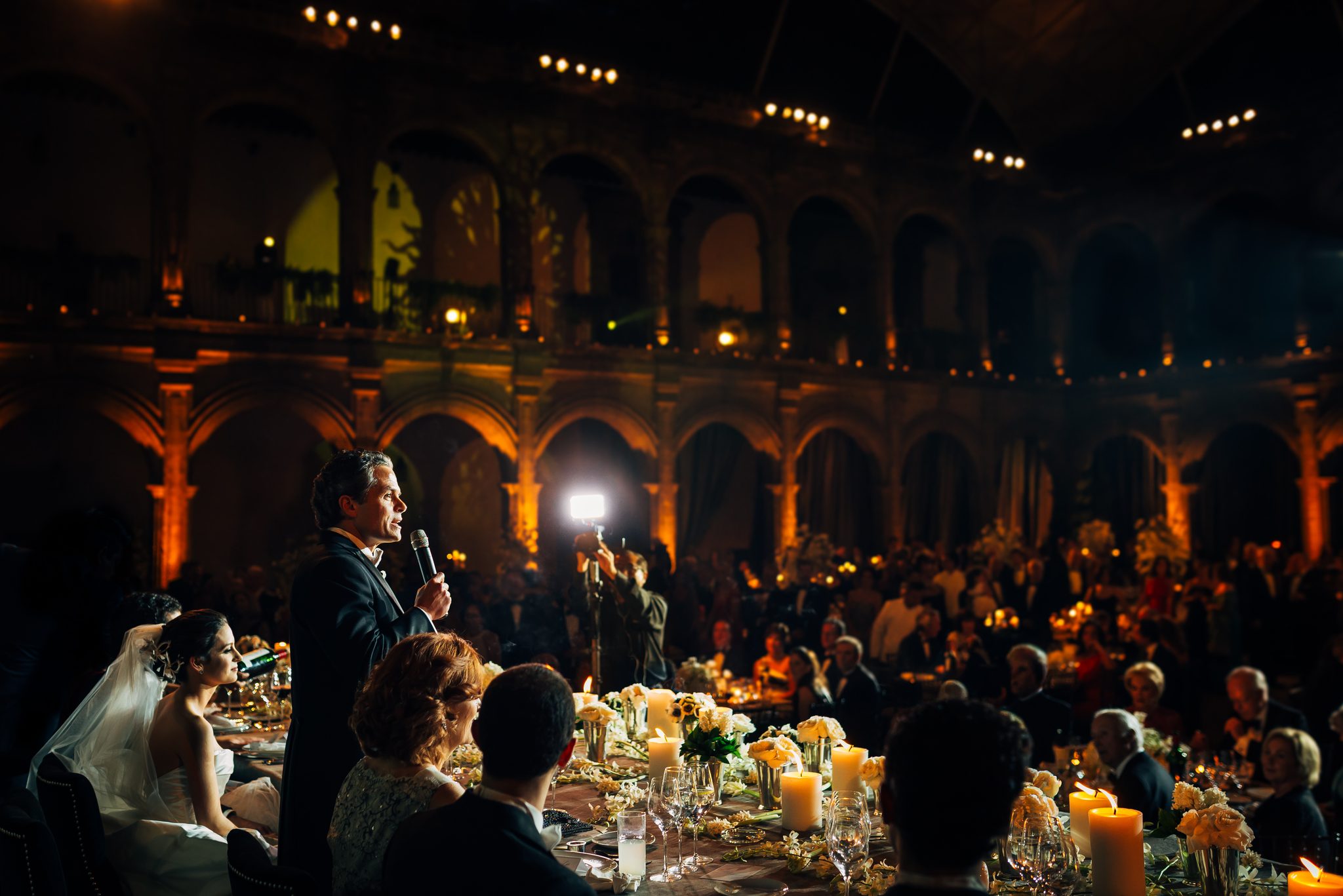
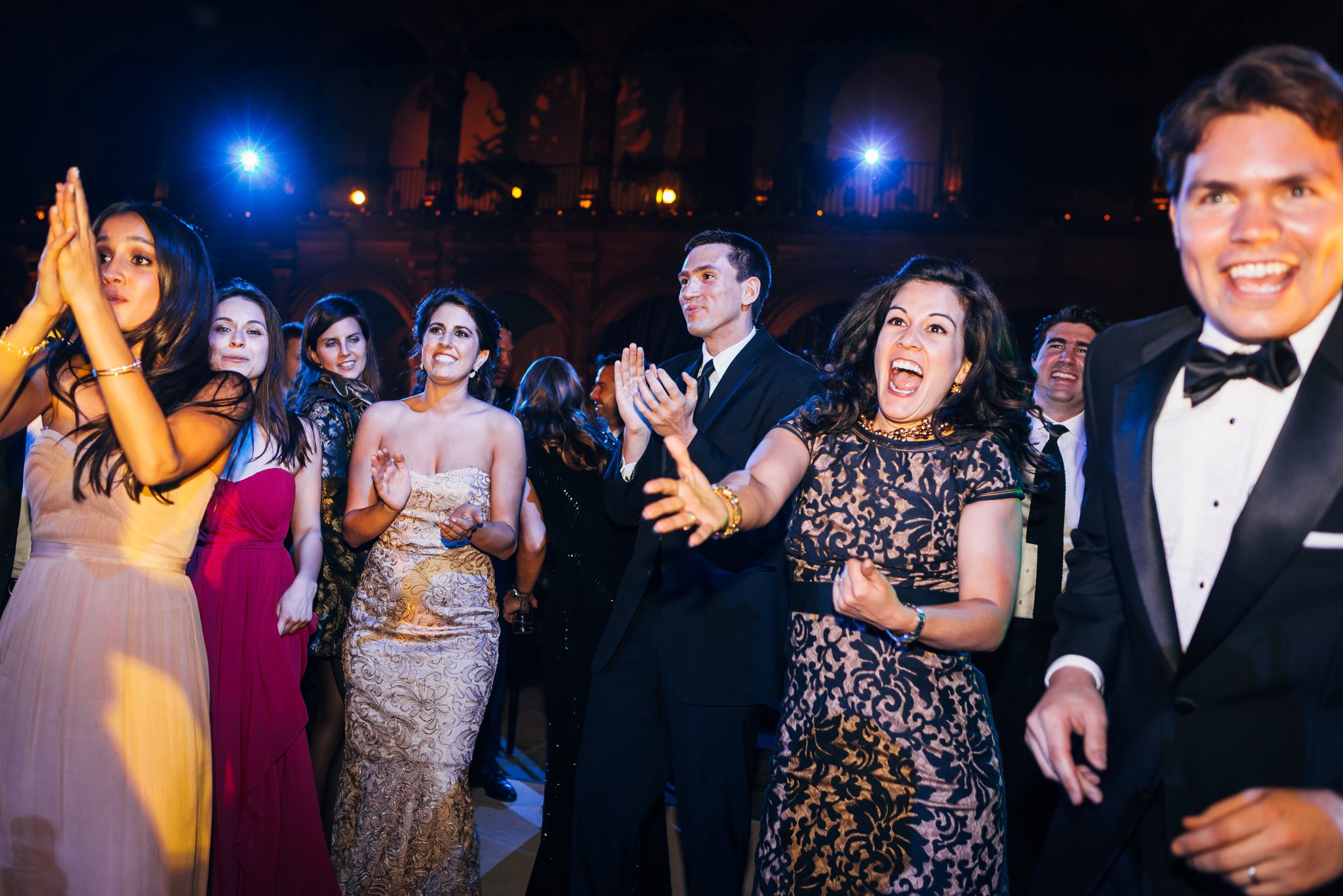
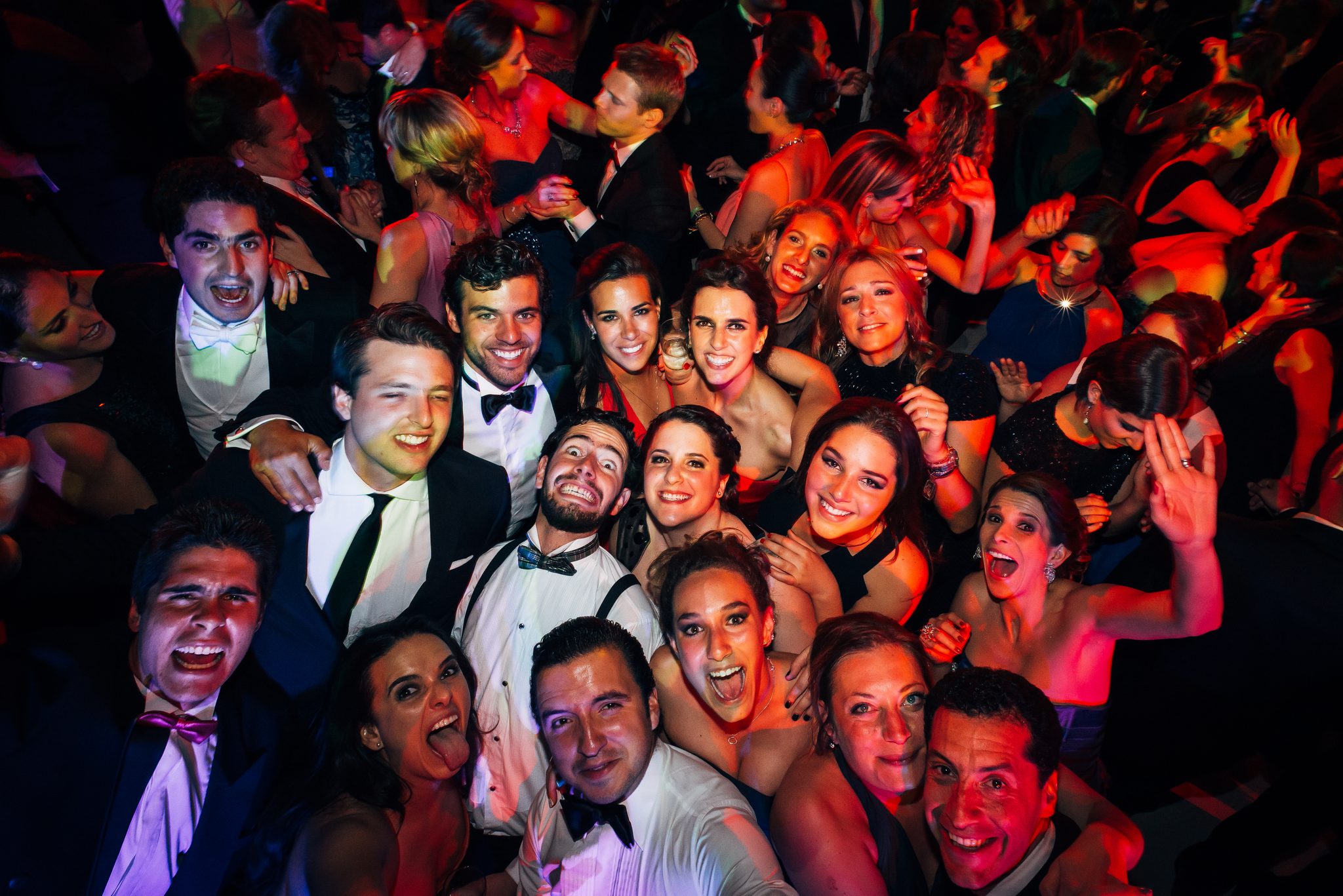
For this wedding I hired another photographer for one job: the social photos. In Mexico, when you point a camera at people, they look at you, smile and hug each other for the picture. Families want those photos, and someone should take them. That left me free for everything else.
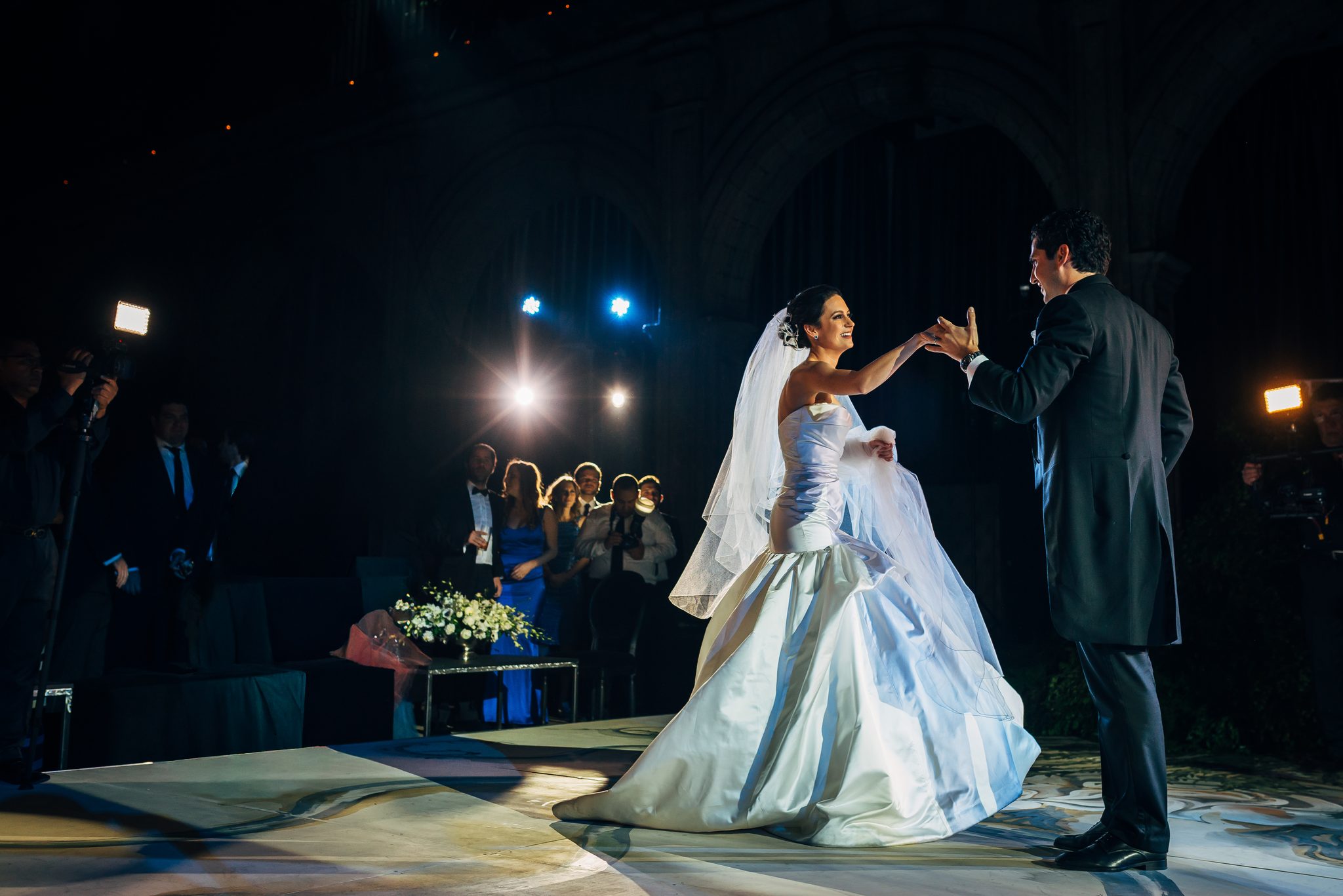
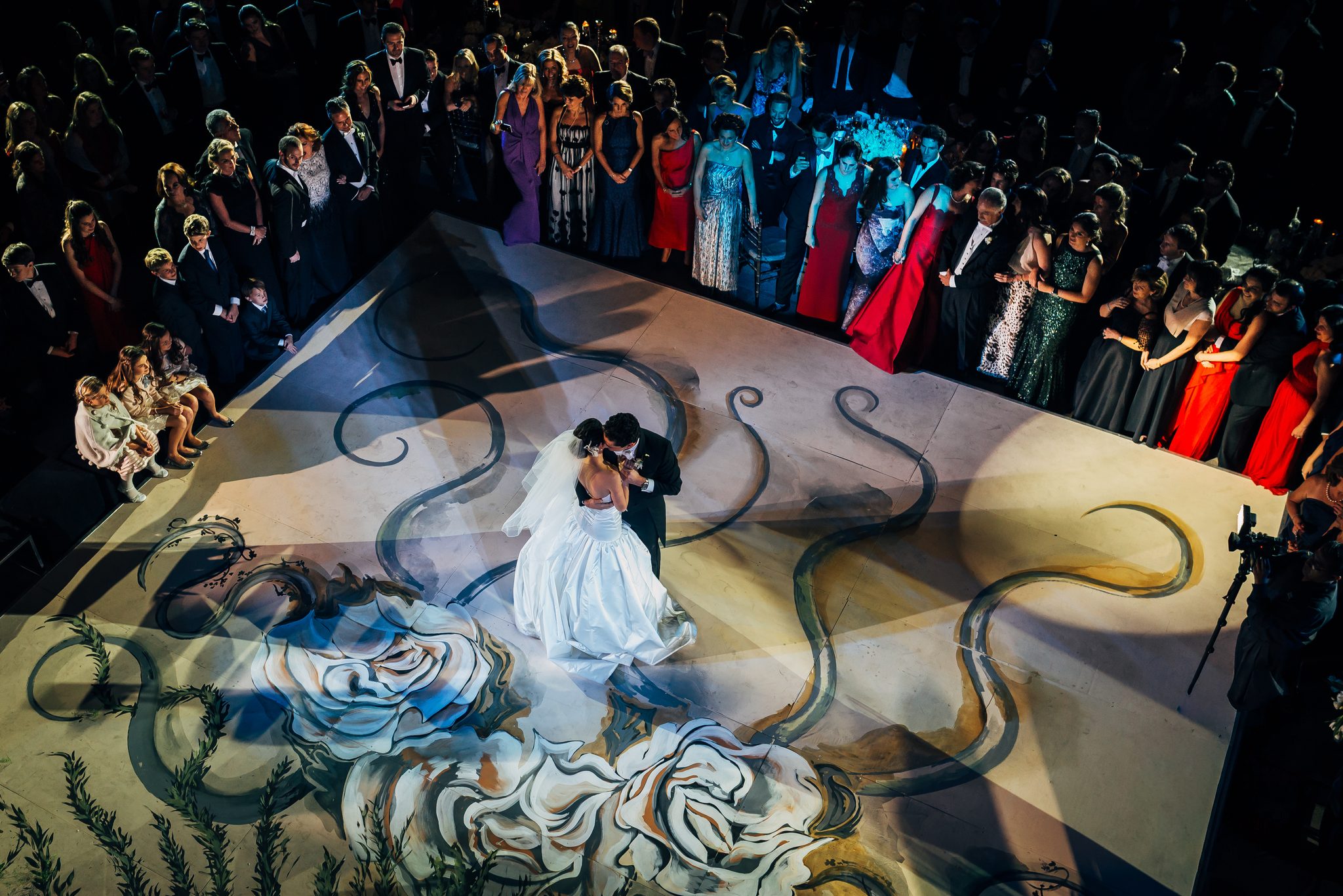
During the first dance, I ran like Usain Bolt to the stairs. They’re endless and exhausting, and they took me up to the arcades on the upper floor, where I had about 15 seconds for wide panoramic photos of the whole courtyard. Then I ran back down, as fast as I could, for the last 30 seconds or a minute of the dance.
What is Colegio de las Vizcaínas?
Its full name is Colegio de San Ignacio de Loyola Vizcaínas. A religious brotherhood, the Cofradía de Nuestra Señora de Aránzazu, founded it in 1732 to take in and protect the girls and widows of colonial Mexico City. The first stone was laid in 1734, and the building, which fills an entire city block in the Centro Histórico, was finished in the 1750s.
It has been a school ever since. Josefa Ortiz de Domínguez, one of the heroines of Mexican independence, studied here, and it still teaches students from preschool to high school. Part of the building is a museum, with a collection of colonial paintings and religious objects.
All four facades are covered in tezontle, the dark red volcanic stone of old Mexico City, with pale stone around the doors and windows. Inside there are eleven courtyards, many still with their original tiles. It is considered the best-preserved baroque building in the city.
One thing worth knowing: renting the building for events helps pay for its conservation and for the school’s scholarship program. A wedding here helps keep the place standing.
Who gets married here
For decades, Vizcaínas has been the setting for Mexico’s society weddings: members of the families of Carlos Slim and Ricardo Salinas Pliego, the singers Lucero and Manuel Mijares, Miss Universe Ximena Navarrete. The building has also hosted the King of Spain and a concert by Elton John in the main courtyard. It is, in short, the room Mexico City uses when it wants to impress.
The spaces: courtyards, chapel and halls
The venue offers six spaces for events: the Patio Principal, the Patio de los Arcos, the Patio de los Capellanes, the Patio de los Azulejos, the Sala Aránzazu and the chapel. Most weddings use more than one: a ceremony in one place, a cocktail hour in another, and dinner and dancing in the main courtyard.
The Patio Principal
The main courtyard is the heart of the building and the largest space, able to hold up to about 1,200 people. It is surrounded by stone arcades and open to the sky. It’s where Alexandra and Jose celebrated with their 950 guests.
What matters for the photos: a courtyard is a box of light. High walls, open sky above. In the late afternoon the sun leaves the floor early and the light becomes soft and even, bouncing off the stone. At night it’s the opposite: dark tezontle swallows light, and the arcades disappear unless someone lights them. Ask your lighting designer to light the architecture, not just the tables. It’s the difference between a party in a palace and a party in a tent.
The chapel
The chapel is in the Churrigueresque style, the most ornate form of Mexican baroque, with five gilded altarpieces made by José Joaquín de Sáyagos in the late 18th century. The most remarkable are dedicated to Our Lady of Loreto and Saint Joseph.
It holds a few hundred people, not a thousand. At Alexandra and Jose’s wedding, about 250 guests sat inside, and everyone else watched on a giant screen outside. If your guest list is bigger than the chapel, plan for it from the start.
What matters for the photos: gold altarpieces and a dim interior. It’s dramatic and beautiful, and it rewards a photographer who works with the available light instead of flashing over it.
The smaller courtyards and the Sala Aránzazu
The Patio de los Arcos, the Patio de los Capellanes and the Patio de los Azulejos are smaller and more intimate. They work for a cocktail hour before guests are led into the main courtyard, or for a smaller wedding on its own. The Sala Aránzazu is an indoor hall. Ask the venue for the capacity of each one.
What matters for the photos: moving guests from a small courtyard into the big one is a moment. Plan it, and the reveal of the Patio Principal becomes part of the story.
How much does a wedding at Vizcaínas cost?
Vizcaínas doesn’t publish its rates. Mexican press has reported that renting the main courtyard for a wedding costs around 500,000 Mexican pesos, and that dates must be reserved about a year in advance.
The rental is only the space. Catering, bar, furniture, flowers, lighting, sound, entertainment and everything else come from your planner and your vendors, so the venue fee is only a fraction of the final budget. For a production of this scale in a protected historic building, an experienced planner is not optional. Ideally, one who has already worked at Vizcaínas.
When to get married at Vizcaínas
Mexico City’s dry season runs from November through April, with warm days and cool evenings. That’s the safest window for a wedding in an open-air courtyard. Alexandra and Jose chose March, right in the middle of it.
From late spring through early autumn is the rainy season, when afternoon storms are common. A summer wedding at Vizcaínas is still possible, but the Patio Principal is open to the sky: ask the venue and your planner about a canopy, and decide early. Alexandra and Jose had one even in March, high enough to leave the courtyard feeling open. A good canopy keeps the arcades visible; a bad one turns the courtyard into a ballroom.
Where your guests stay
Vizcaínas is in the Centro Histórico, a few blocks from the Alameda and the Zócalo, so your guests can stay in the heart of the old city. Nearby options include the Gran Hotel Ciudad de México, with its views of the Zócalo; Downtown México, a historic building with a rooftop; and the Hilton Mexico City Reforma on Avenida Juárez.
The luxury hotels on Paseo de la Reforma, like the St. Regis, where Alexandra and Jose got ready, and the Four Seasons, are a short taxi ride away. They’re a good choice if you want the wedding weekend split between two Mexico Citys: the modern one on Reforma and the old one around the Zócalo.
Mexico City International Airport (MEX) has direct flights from most major US cities. Plan transport for the night: a shuttle from the hotels to Vizcaínas and back is simpler than a hundred taxis at one in the morning.
Legal, religious or symbolic ceremony
In Mexico, only a civil marriage performed by the Registro Civil (civil registry) is legally valid. A religious or symbolic ceremony can be beautiful, but it has no legal effect on its own, and it isn’t recognized in the US without the civil ceremony.
Requirements and fees change by state, so the source to trust is the Registro Civil of Mexico City. In general, foreigners need a valid passport, an apostilled birth certificate translated into Spanish and, if previously married, proof that the previous marriage has ended. Many couples handle the legal part at home and celebrate in Mexico City with a religious or symbolic ceremony. A Catholic ceremony in the chapel has its own paperwork through the Church; your planner will know the process. Read the US Embassy’s guidance on marriage in Mexico before you decide.
Planning a day that photographs itself
I don’t pose and I don’t direct. I pay attention. At a place like Vizcaínas, where the building is so strong it could steal the show, that matters even more: the architecture should hold the story, not replace it. Here is what I’d tell any couple:
- Make the night before count. A rehearsal dinner somewhere with its own character, like a rooftop vineyard, gives your story a first chapter.
- If your guest list is bigger than the chapel, plan the overflow. A screen outside works, as long as the guests outside feel part of the ceremony and not like an afterthought. Think about where they stand, what they see, and the moment the doors open.
- Ask for time in the building before the guests arrive. An empty courtyard with arcades on every side is one of the most beautiful places in Mexico City to be alone together for ten minutes.
- Leave a gap between the ceremony and the reception. The walk from the chapel to the courtyard, the first hugs, the first drink: that’s where the best photographs happen.
- Light the architecture. At night, the stone needs light to exist in the photos.
- Plan the crossing. From Reforma to the Centro Histórico, traffic decides. Give the trip more time than you think it needs.
Questions to ask Vizcaínas before you book
- Which spaces are included in the rental, and what is the capacity of each one?
- How many guests can sit in the chapel, and can the ceremony be shown on a screen in a courtyard?
- What is the rain plan for the Patio Principal? Is a canopy allowed, and who installs it?
- Can we bring our own caterer and vendors, or is there an approved list?
- Do you have any rules or fees for outside photographers and videographers? What time can they access the building?
- What time must the music end, and what time do vendors load in and out?
- How do we book the chapel, and what does a religious ceremony require?
- Since Vizcaínas is a working school, are there dates or days of the week that aren’t available?
- Is there parking or valet service for guests?
Planning a wedding at Vizcaínas?
If you’re planning a wedding at Colegio de las Vizcaínas or anywhere in Mexico City, and you want photographs of what really happened, I’d love to hear your story.
More from the journal

Wedding story · Bodega Dos Búhos, San Miguel de Allende
A Documentary Destination Wedding in San Miguel de Allende, and a Guide to Planning Yours
A rainy night under the arcades, a sunny day at a vineyard, and everything I’ve learned about getting married in San Miguel.
Read the story

Wedding story · Valle de Guadalupe, Ensenada
An Ensenada Wedding in the Valle de Guadalupe, and a Guide to Planning Yours
Jorge and Lucila’s vineyard wedding at Bruma, a red truck spotted on the street, and what I’d tell any couple planning a wedding in Ensenada, Mexico.
Read the story